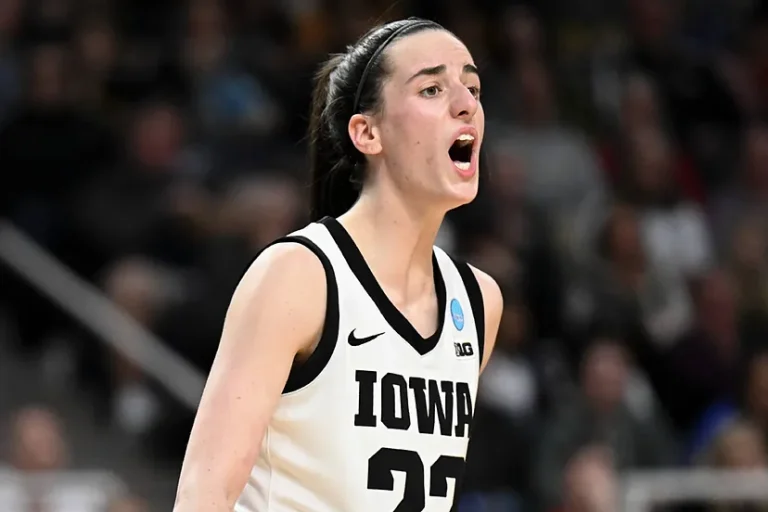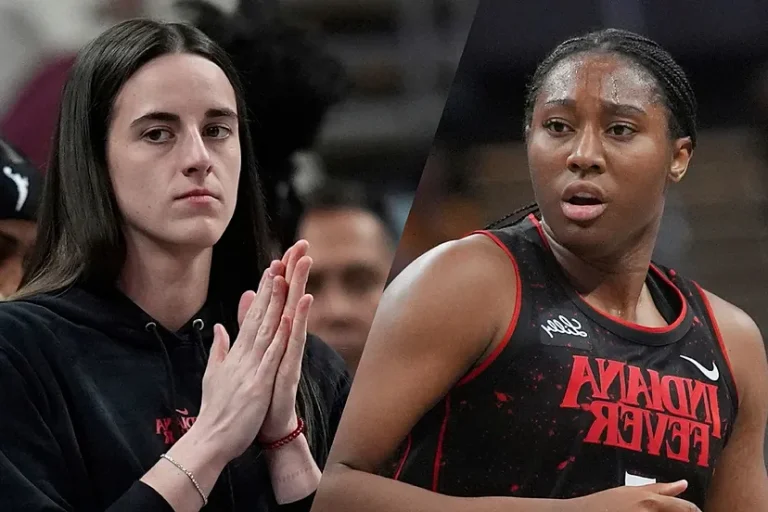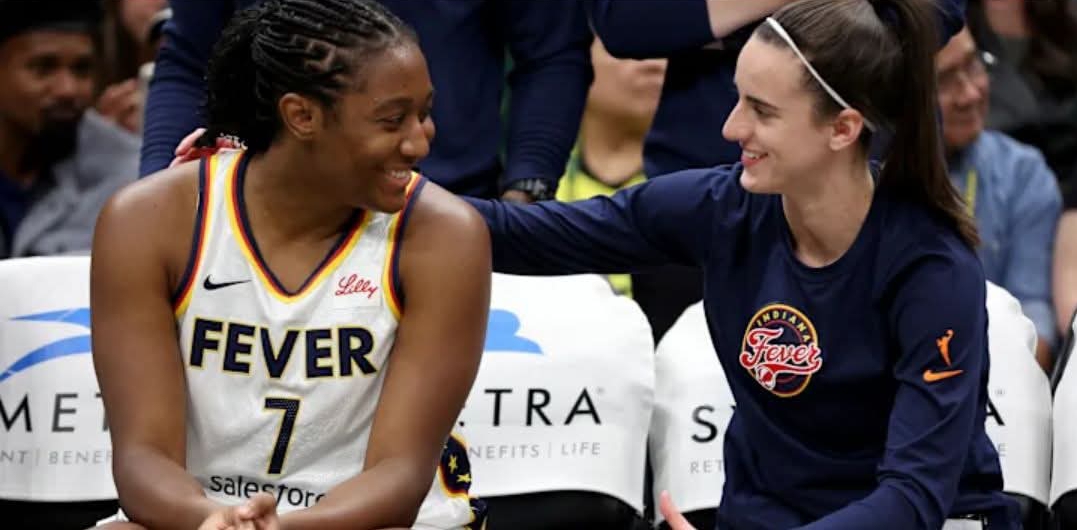
The Caitlin Clark broadcast role media impact has become a major topic of conversation after Indiana Fever teammate Aliyah Boston reacted publicly to Clark’s recent move into entertainment and television coverage. Clark’s growing presence beyond the court has raised questions about how her expanded role in basketball media connects to her long term future in the WNBA. Within the first hours of Boston’s comment circulating online, fans and analysts began interpreting it as a window into how the Fever locker room views Clark’s evolving career. This moment reflects a broader shift in how modern athletes balance competition with media influence and public visibility.
Caitlin Clark’s recent decision to take part in a broadcast and entertainment role during the offseason fits into a growing trend among star athletes who expand their platforms beyond the game itself. Her appearance on major networks signals how much attention she brings to women’s basketball and how valuable her voice has become in shaping public conversations about the sport. For the Indiana Fever, this does not represent a departure from basketball but rather an extension of Clark’s influence. Players today are no longer judged only by points and assists but also by their ability to elevate league visibility and connect with wider audiences. Clark’s crossover into media aligns with the WNBA’s broader goal of reaching fans who may not normally follow regular season games.
Aliyah Boston’s response drew attention because of its calm and supportive tone rather than any sense of concern. Boston’s words emphasized confidence in Clark’s commitment to the team and her readiness for the next chapter of competition. Many interpreted this as a subtle reassurance that Clark’s media work does not signal a reduced focus on basketball. Instead, it highlighted how teammates understand the value of visibility and how it benefits the entire organization. Boston’s comment reflected an internal understanding that Clark’s presence in broadcast spaces helps strengthen the Fever’s profile while keeping the team at the center of national conversation.
The Caitlin Clark broadcast role media impact also points to how the WNBA is evolving in its relationship with mainstream sports networks. Clark’s involvement in coverage brings authenticity and insight from an active player’s perspective, something that fans increasingly demand. This shift creates a bridge between competition and commentary that can help grow trust and engagement with viewers. Rather than separating athletes from media roles, the league appears to be encouraging a model where players become ambassadors for the sport. Clark’s position in this movement places her not only as a scorer or playmaker but also as a communicator who can explain the game and inspire future fans.
For the Indiana Fever, this development carries practical implications. Increased attention means more national broadcasts, stronger sponsorship interest, and greater expectations from fans. Clark’s visibility can translate into higher attendance and stronger community identity for the franchise. At the same time, it brings pressure to perform and remain consistent on the court. The balance between media commitments and athletic preparation will be watched closely, but early reactions suggest that the team views this as an advantage rather than a distraction. Boston’s words reinforced the idea that Clark’s off court activities are seen as part of her leadership role rather than a step away from competition.
Looking ahead, the Caitlin Clark broadcast role media impact may redefine how young stars shape their careers in the WNBA. Instead of waiting until retirement to enter commentary or entertainment, players can now build parallel paths while still competing. This creates a new standard where influence and performance grow together. Clark’s case shows how one player can become both a central figure in league play and a trusted voice in sports culture. Fans should expect more moments where players step into similar roles, using their platforms to strengthen the connection between the league and its audience.
Caitlin Clark’s move into broadcast and entertainment has sparked discussion not because it threatens her basketball future but because it highlights how much the game has changed. Aliyah Boston’s reaction helped clarify that this shift is seen internally as a positive development for both Clark and the Indiana Fever. The situation shows how modern athletes can shape the narrative of their sport while remaining fully committed to competition. As the season approaches, Clark’s dual presence on the court and in media spaces will likely deepen her influence and reinforce her role as one of the WNBA’s most important figures.
Comment Prompt
What do you think Caitlin Clark’s growing media presence means for the Indiana Fever next season?
About the Author