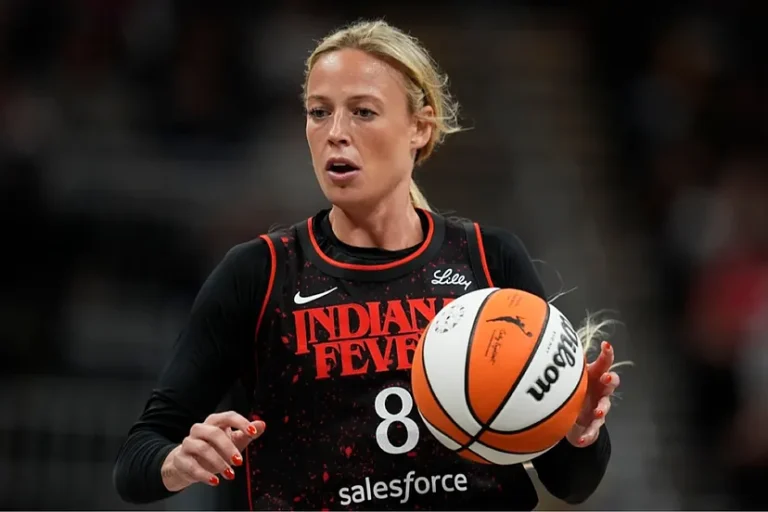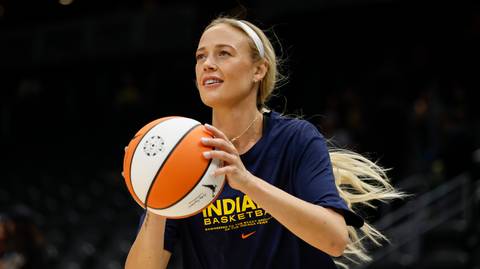
Indiana Fever guard Sophie Cunningham—once applauded by fans for defending rookie sensation Caitlin Clark—found herself under fire after voicing doubts about the WNBA’s newly announced expansion sites. The league confirmed it will add franchises in Cleveland (2028), Detroit (2029) and Philadelphia (2030), but Cunningham told reporters she would have preferred markets such as Miami, Nashville or Kansas City—cities she believes offer stronger entertainment appeal and fan-draw potential. Her candid take quickly drew backlash from fellow athletes and residents of the two Midwest cities she singled out.
Cunningham argued that player enthusiasm should factor into expansion choices, noting that vibrant off-court experiences help generate buzz and ticket sales. “There’s a huge arena in downtown Kansas City sitting empty,” she said while praising the cultural pull of places like Nashville’s Broadway district. She then wondered aloud how excited fans—or players—might be about moving into Detroit or Cleveland, comments that many interpreted as a slight against two blue-collar sports hubs.
Two days later the 28-year-old tried to set the record straight. Speaking with reporters, Cunningham emphasized that she respects the pivotal role both cities played in the WNBA’s early years and meant only to highlight lifestyle factors that could help new teams thrive. “I’m a Missouri kid—I understand middle-class, blue-collar life,” she explained, adding that her remarks were never intended as an insult. She simply believes some non-NBA markets could also flourish with women’s basketball.
Detroit and Cleveland answered swiftly on social media. Detroit reminded fans it led the league in attendance for three seasons when it hosted the Shock and welcomed more than 22,000 spectators to Game 3 of the 2003 WNBA Finals. Cleveland’s official account referenced Caitlin Clark’s praise for the city and promised incoming players a fan base famous for its passion. Unruffled, Cunningham noted that the same supporters who cheer an athlete one day can criticize the next, declaring she prefers to stay “right in the middle” and let her play do the talking.
The debate may linger, but league officials remain committed to their timeline, confident that each new market can sustain women’s professional basketball. No matter where the next tip-offs take place, the WNBA’s rapid growth signals broader opportunities ahead—and players, cities and fans alike will soon have fresh courts on which to prove their point.
About the Author