Portland’s decision to add Sylvia Fowles to its inaugural coaching staff is more than a ceremonial hire. Fowles is a former league MVP, multiple time champion, and one of the most respected defensive forces the WNBA has ever seen. Her presence gives the Fire immediate credibility at a time when expansion teams often struggle to define their identity. For a franchise that has yet to play a single game, securing a Hall of Fame figure sends a clear signal of long term ambition.
What makes this move even more compelling is why Fowles chose Portland. After stepping away from the court in 2022, she took time to decompress and reflect on what her next chapter should look like. Conversations with elite coaches across the league helped her understand the realities of coaching at the professional level. Rather than choosing a familiar environment, Fowles leaned into the uncertainty of an expansion team, explaining that the fear of starting from scratch was exactly what drew her in.
Portland offers a blank canvas, and that opportunity is rare. There is no inherited roster, no established locker room hierarchy, and no existing culture. Fowles will work alongside head coach Alex Sarama and assistant Brittni Donaldson to shape everything from team standards to daily habits. Her experience allows her to teach accountability, professionalism, and championship level preparation before the Fire even begin building their roster.
For the rest of the WNBA, this hire matters deeply. Expansion does not happen in isolation, especially with collective bargaining agreement negotiations still unfolding. The arrival of the Portland Fire and Toronto Tempo impacts roster decisions, player movement, and future scheduling across the league. By locking in leadership early, Portland gains an edge in planning while other teams wait for clarity.
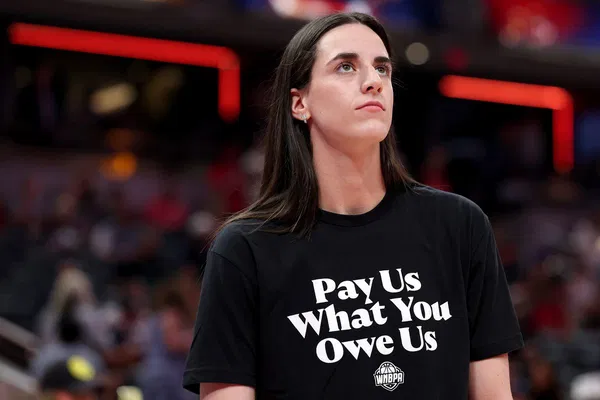
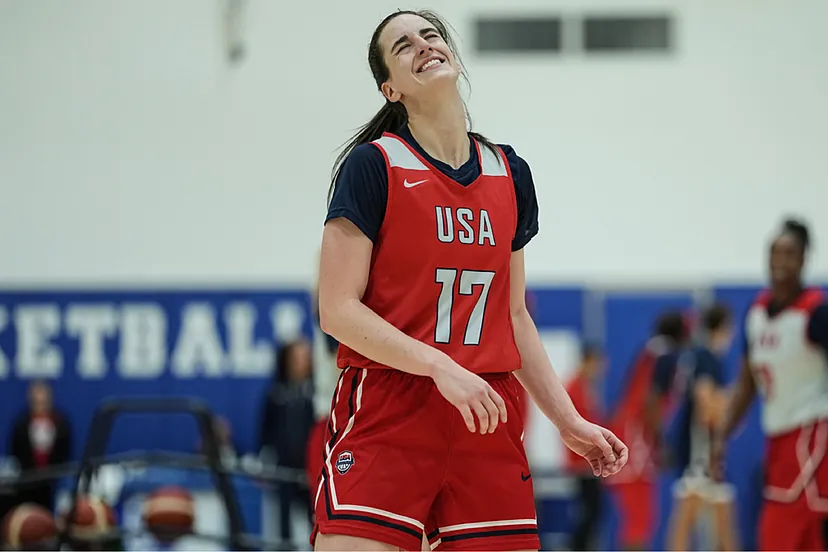
Players entering or already in the league are watching closely, including Indiana Fever star Caitlin Clark. Expansion teams create new opportunities for playing time, leadership roles, and system fits that may not exist on established rosters. A franchise guided by someone like Fowles becomes even more appealing to players who want structure, mentorship, and a winning mindset. Instead of being viewed as a rebuilding project, Portland could quickly become a destination.
Fowles’ resume brings instant authority to a locker room that does not yet exist. She understands what it takes to win championships, endure long seasons, and perform under pressure. Beyond accolades, she brings a teaching mindset that aligns perfectly with a young franchise. Her stated goal is not just to compete, but to help define expectations and create a culture that lasts beyond the first season.
As the WNBA prepares for its next chapter, the Fire’s bold decision reflects a league that is evolving rapidly. Expansion is no longer about gradual entry or quiet development. Portland’s move signals intent, confidence, and belief in the power of leadership. With Sylvia Fowles helping shape the foundation, the Fire have positioned themselves as one of the most intriguing stories heading into the 2026 season.
Comment Section Prompt
Do you think hiring Sylvia Fowles gives the Portland Fire an early advantage over other expansion teams? Share your thoughts below and join the discussion.
About the Author