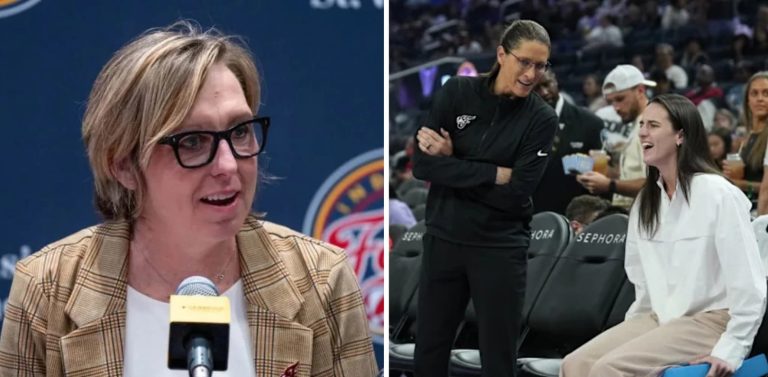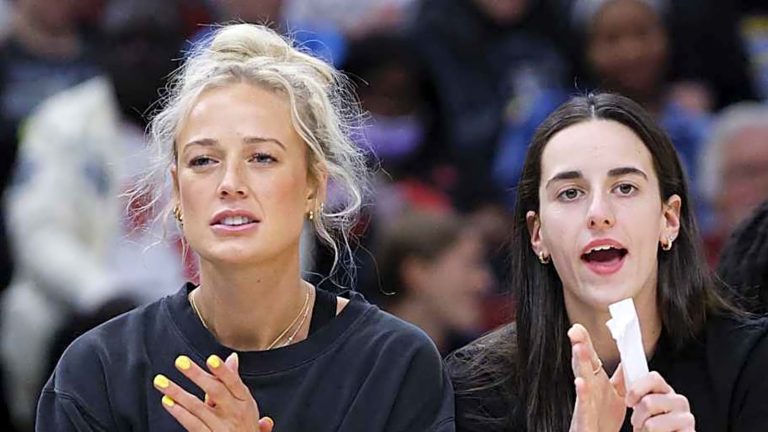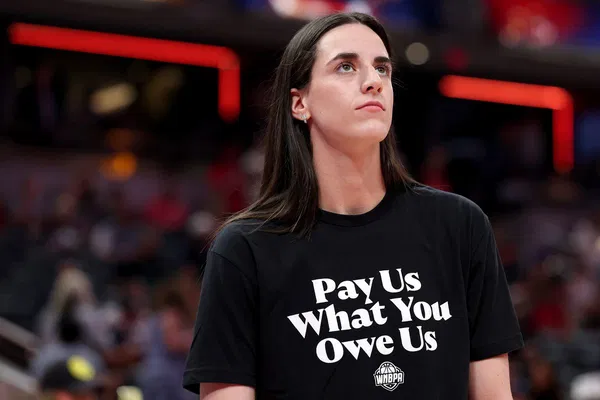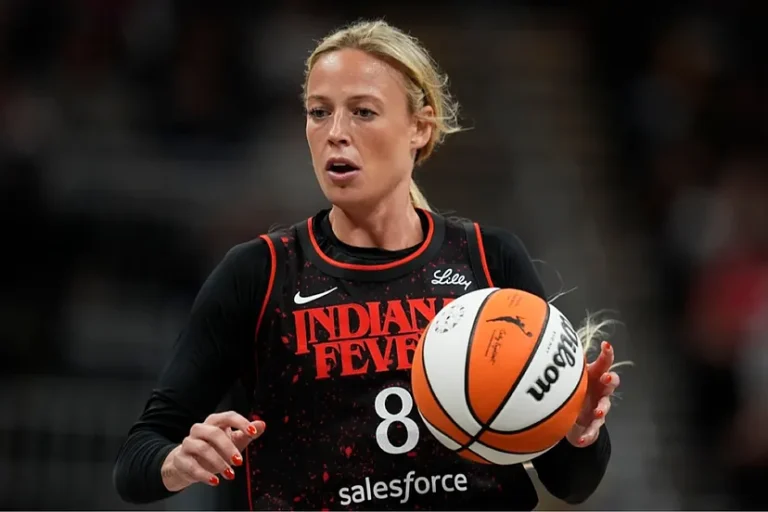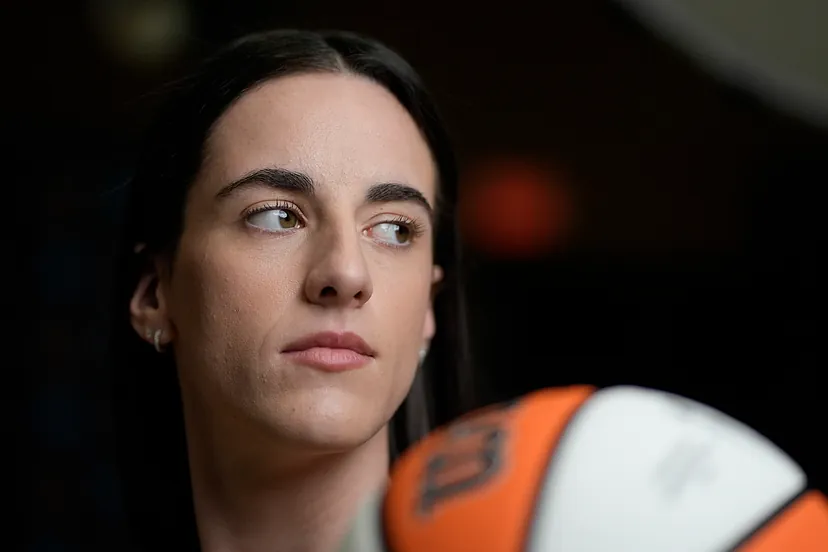
Caitlin Clark trade talks became a major topic after reports suggested her name surfaced during internal roster discussions. According to multiple accounts, Clark was made aware that conversations involving her value and long term fit had taken place. She reportedly communicated a clear preference to remain with the Indiana Fever as the franchise continues its rebuild. The situation quickly drew league wide attention because of Clark’s status as one of the most influential young players in the WNBA.
Context matters when evaluating Caitlin Clark trade talks. As a recent top draft pick, Clark represents both on court production and off court visibility for Indiana. Teams routinely explore scenarios involving high value players, especially during transitional periods. That does not always signal intent to move a player, but it does reflect how franchises assess assets while shaping competitive timelines. For Indiana, these evaluations come as the organization looks to stabilize and build around a young core.
Clark’s background makes her stance understandable. She entered the league with enormous expectations and quickly became central to the Fever’s identity. Her scoring range, playmaking ability, and drawing power have reshaped how opponents prepare for Indiana. Beyond statistics, she has helped elevate attendance, viewership, and national relevance. Those factors explain why Caitlin Clark trade talks would feel significant to both fans and league observers.
From a front office perspective, the Fever’s response has been interpreted as a commitment to long term planning rather than short term reaction. Teams rarely comment publicly on internal discussions, and Indiana has maintained a measured approach. The organization continues to emphasize development, roster balance, and continuity. That posture suggests Clark remains a foundational piece rather than a negotiable one.
There are broader implications tied to Caitlin Clark trade talks across the WNBA. Star players now carry increased influence over franchise direction, especially those who impact business growth alongside performance. Clark’s expressed desire to stay aligns with a trend of players seeking stability and voice early in their careers. For teams, balancing player confidence with organizational flexibility has become an essential management skill.
For fans, the situation underscores how modern roster building works. Trade conversations do not always lead to transactions, but they can shape communication between players and management. Clark’s willingness to address her future signals maturity and investment in the team’s progress. Indiana’s handling of the matter reflects awareness of her importance on and off the court.
Looking ahead, expectations should center on development rather than disruption. The Fever continue to evaluate pieces that complement Clark’s skill set and improve competitiveness. Roster adjustments, coaching strategies, and player growth will define the next phase more than speculation. Caitlin Clark trade talks may fade as results on the court provide clearer answers.
This moment matters because it highlights the evolving relationship between star players and franchises in the WNBA. Transparency, trust, and long term vision now play larger roles than ever. For Indiana, maintaining alignment with Clark is central to sustained growth. For the league, it reflects how foundational players shape both competition and culture.
Comment Section Prompt
What do you think this situation means for the Indiana Fever moving forward?
About the Author