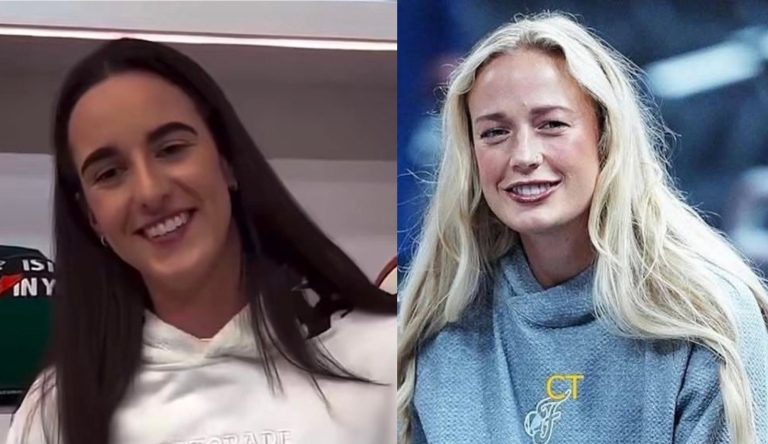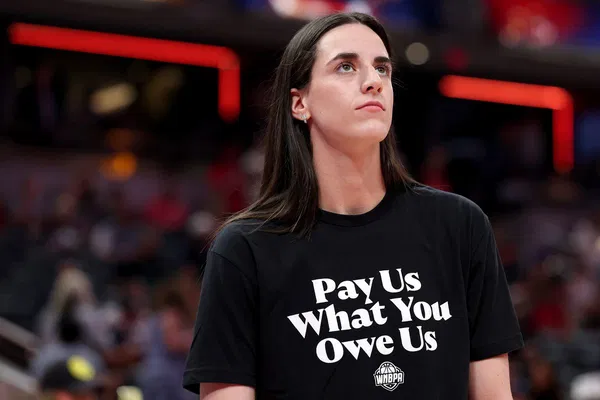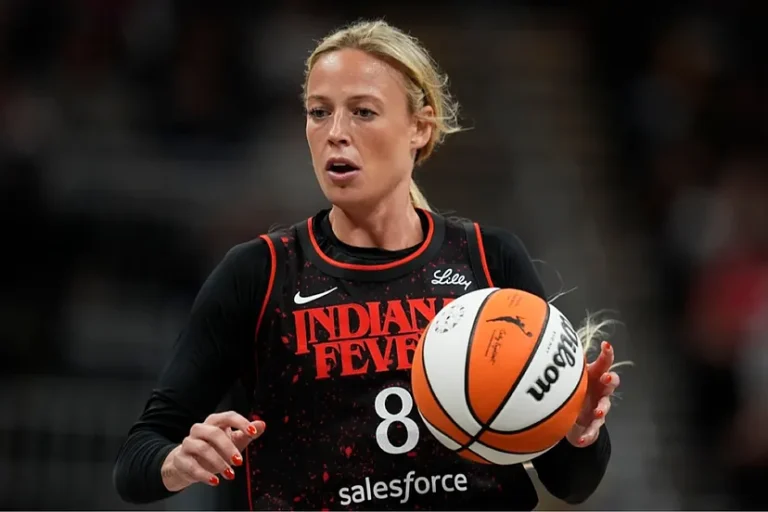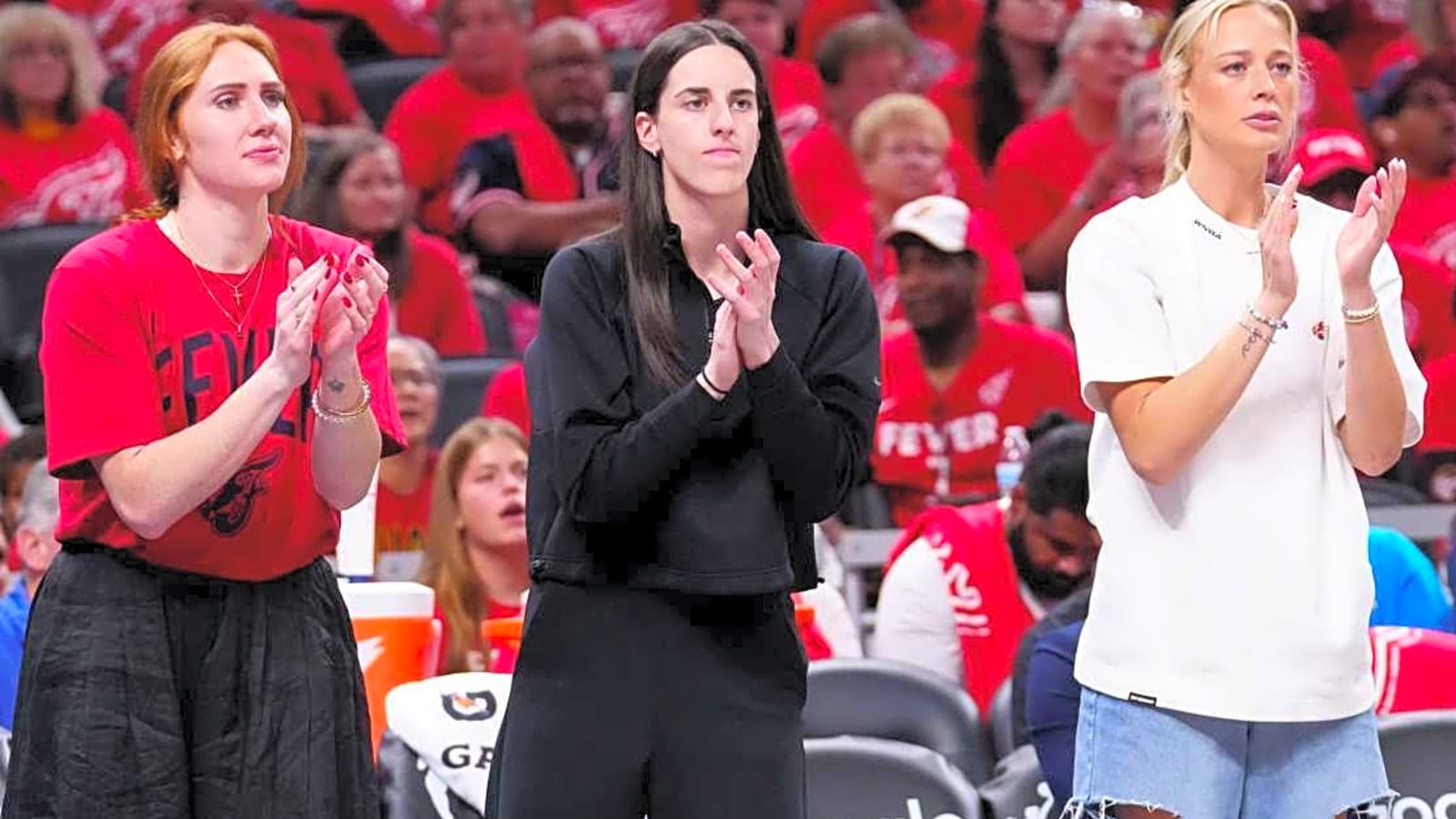
The Caitlin Clark WNBA impact has become one of the most discussed topics in women’s basketball, not because of controversy she created, but because of how dramatically her presence has shifted attention within the league. Since entering the WNBA, Clark has drawn unprecedented viewership, media coverage, and public debate that now extends beyond the court. Her influence has been so immediate that some longtime fans are questioning whether the league is struggling to balance growth with identity. This discussion is not rooted in rumors or exaggeration, but in observable changes across ratings, coverage priorities, and fan engagement patterns.
To understand the current conversation, it is important to look at the context surrounding Clark’s arrival. The WNBA had already been building steady momentum through competitive play, improved broadcast deals, and rising star power across multiple teams. Caitlin Clark entered the league with historic college numbers, national recognition, and a fanbase that followed her closely into the professional game. That transition brought millions of new eyes to the WNBA, many of whom were casual or first time viewers primarily focused on one player rather than the league as a whole. This shift has created both opportunity and friction as coverage increasingly centers on Clark’s performances, struggles, and development with the Indiana Fever.
The Caitlin Clark WNBA impact has been most visible in media coverage and fan behavior. Games involving the Fever regularly outperform other matchups in viewership, and social media engagement spikes whenever Clark is involved in highlights or debate. While increased attention is generally positive for league growth, some fans feel that other players and teams are being overshadowed. Established stars continue to perform at elite levels, yet their moments often receive less attention compared to routine Clark related storylines. This imbalance has fueled criticism from fans who worry that the league narrative is becoming too narrow.
From a league operations standpoint, the situation is more complex than claims that the WNBA has been harmed. Revenue growth, ticket sales, and broadcast interest have all benefited from Clark’s presence. At the same time, the league faces the challenge of integrating a transcendent individual star into a team oriented and parity driven competition. The WNBA has historically promoted balance, defense, and collective excellence rather than individual dominance. Clark’s popularity tests whether that philosophy can coexist with a media environment that rewards singular focus and constant debate.
Another important factor in the Caitlin Clark WNBA impact is how fan expectations are evolving. New fans often bring comparisons, criticism, and pressure that long time followers are not accustomed to seeing at this scale. Every performance is scrutinized, and every adjustment period is framed as a larger statement about the league itself. This has led to polarized reactions, with some fans celebrating the exposure while others push back against what they see as an unfair spotlight. Neither side is entirely wrong, which is why the discussion continues to intensify rather than fade.
Looking ahead, the league’s ability to manage this moment will shape how the Caitlin Clark era is remembered. If the WNBA successfully elevates multiple stars while benefiting from Clark’s draw, the result could be sustained growth across teams and markets. If the focus remains too narrow, resentment among fans and players could linger. What is clear is that Clark has not destroyed the league, but she has forced it into a new phase where visibility, balance, and narrative control matter more than ever.
The Caitlin Clark WNBA impact represents a turning point rather than a breaking point. It highlights the growing pains of a league expanding faster than expected and learning how to manage mainstream attention. For fans, this moment matters because it will influence how women’s basketball is presented and supported in the years ahead.
Comment Section Prompt
What do you think the league should do to balance Caitlin Clark’s popularity with broader WNBA growth?
About the Author