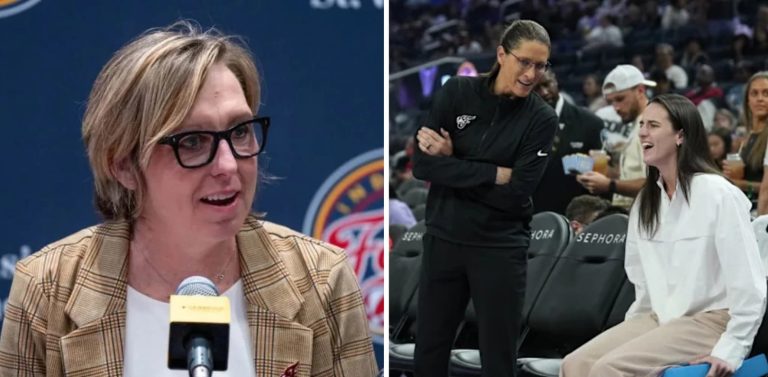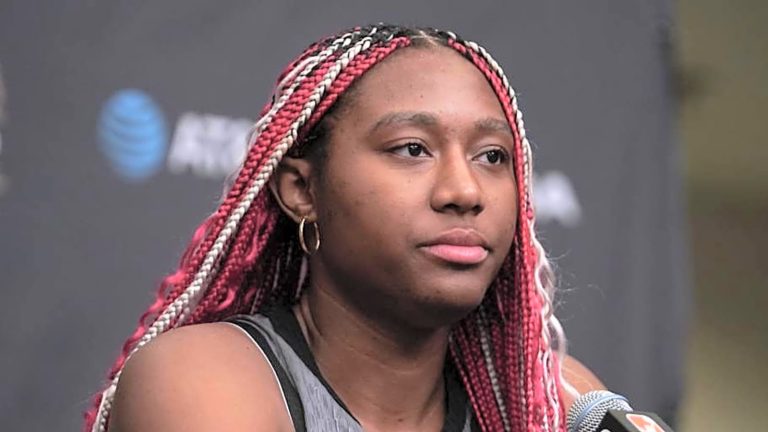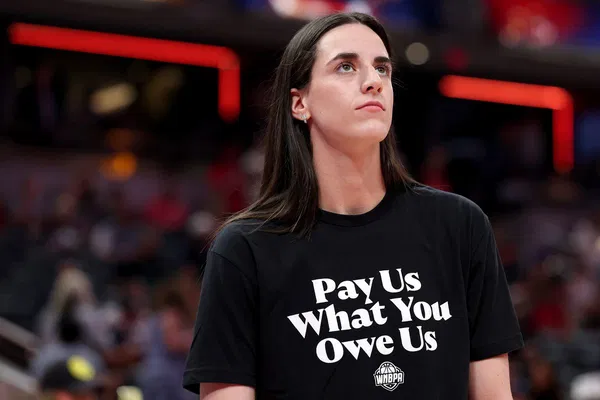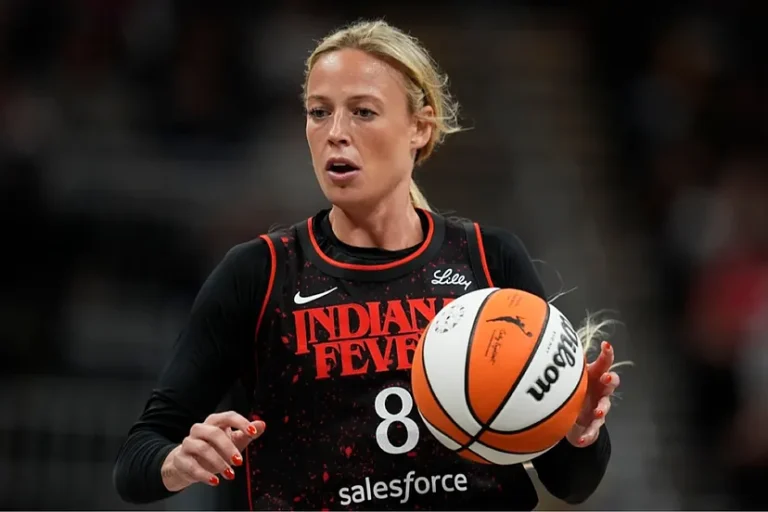
The Oprah Winfrey Sophie Cunningham discussion has become one of the most talked about sports culture moments of the week. Fans are searching for clarity after Oprah Winfrey publicly questioned whether Sophie Cunningham’s viral popularity is driven more by substance or spectacle. The comments immediately sparked widespread reaction across sports media and social platforms. Cunningham responded directly, framing her visibility as a result of survival and honesty rather than manufactured noise. This exchange has pushed the conversation beyond basketball and into a broader debate about how modern athletes are judged.
At the center of the Oprah Winfrey Sophie Cunningham moment is a contrast between two generations of public influence. Winfrey has long represented legacy built through decades of traditional media, storytelling, and cultural leadership. Her comments appeared to challenge the idea that online virality equals meaningful impact. For many listeners, the message raised questions about what defines credibility in today’s media driven world. The reaction was swift because the topic touches on how fame is measured in the digital era.
Sophie Cunningham’s response did not focus on defending popularity numbers or social reach. Instead, she emphasized lived experience, resilience, and the realities of navigating professional sports as a woman. Cunningham framed her visibility as a byproduct of being authentic in an environment that often demands silence. Her message resonated with fans who see modern athletes as more than just performers on the court. This response helped shift the conversation from criticism to context.
The Oprah Winfrey Sophie Cunningham exchange also highlights a larger tension within sports media. Traditional figures often value longevity and controlled messaging, while younger athletes build connections through openness and direct engagement. Neither approach is inherently superior, but the clash exposes a gap in understanding. Cunningham represents a generation that communicates without filters, even when that approach invites scrutiny. Winfrey represents an era where authority was earned through carefully curated platforms.
For WNBA fans, this moment matters because it reflects ongoing challenges around visibility and respect. Female athletes frequently face harsher judgments when they gain attention quickly. Cunningham’s rise has included strong on court play alongside a growing public profile. The debate around her presence shows how easily accomplishments can be overshadowed by narratives about personality. This is not unique to her, but the scale of the reaction makes it significant.
The broader implications of the Oprah Winfrey Sophie Cunningham discussion extend into athlete branding. Modern players are expected to perform, advocate, and connect all at once. Social media amplifies both support and criticism, leaving little room for neutrality. Cunningham’s response suggests that being real is a conscious choice rather than a branding strategy. For fans, it offers a reminder that visibility often comes with personal cost.
Looking ahead, this moment is unlikely to fade quickly. It has already become a reference point in conversations about how athletes define success. Cunningham continues to focus on her career while acknowledging the realities of public perception. Winfrey’s comments have reignited debate about what legacy means in a changing media landscape. Both perspectives will likely continue to shape how fans interpret athlete influence.
In the end, the Oprah Winfrey Sophie Cunningham moment is less about conflict and more about contrast. It reflects how sports, media, and culture intersect in real time. For readers, it offers insight into the pressures modern athletes face beyond the scoreboard. Understanding this context helps explain why reactions were so strong and why the discussion continues to grow.
Comment Section Prompt
What do you think this debate reveals about how we judge athletes in today’s media driven sports world?
About the Author