The WNBA free agency moratorium places the league in what is known as status quo. This means there is no lockout by owners and no strike by players, but neither side is allowed to move forward with free agency business. Teams cannot send qualifying offers, negotiate with players, or sign new contracts. The moratorium was agreed upon to prevent teams from issuing offers under an expired CBA that no longer reflects the league’s evolving financial structure and player compensation goals.
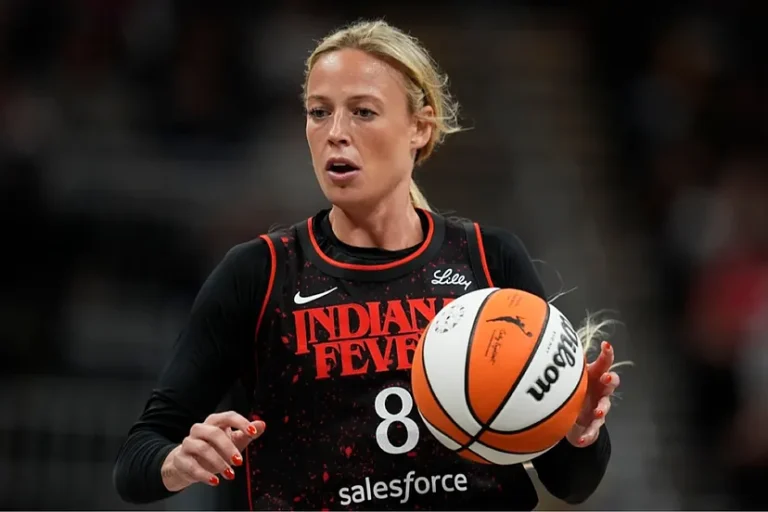
For the Indiana Fever, this pause creates temporary uncertainty but not chaos. The front office can still plan internally and prepare for multiple outcomes once a new agreement is reached. Decisions involving key players such as Kelsey Mitchell and Lexie Hull remain on hold in terms of formal action, but evaluations and strategic discussions can continue behind the scenes. Assuming the core designation and restricted free agent rules remain similar, Indiana can map out its preferred approach without executing it yet.
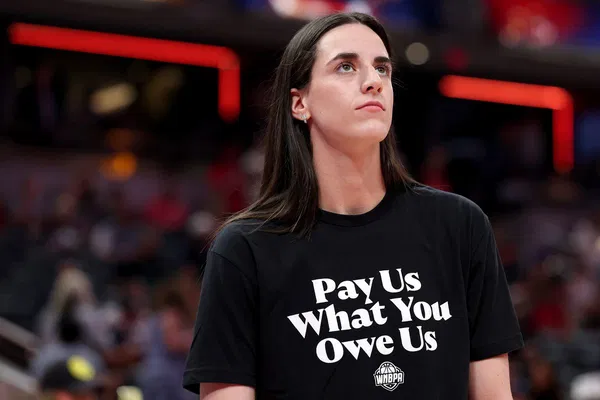
The expiration of the CBA followed more than a year of negotiations between the WNBA and the players union. Major discussion points include salary structure, revenue sharing, and overall player benefits. These talks reflect the league’s growth in visibility and revenue, particularly after increased attendance and media attention over the past two seasons. The moratorium allows both sides to negotiate without triggering procedural deadlines that would complicate talks.
One of the biggest ripple effects of the WNBA free agency moratorium involves the league’s expansion plans. The Toronto Tempo and Portland Fire are scheduled to begin play in the 2026 season, but the rules governing the expansion draft are tied directly to the CBA. As a result, neither existing teams nor the expansion franchises currently know how many players can be protected or selected. For the Indiana Fever, this means uncertainty in roster protection planning, especially with a young core that could attract interest.
The Fever must also prepare for a compressed offseason once the new CBA is finalized. Typically, the expansion draft, qualifying offer period, and free agency would be spread out over several weeks. Now, those events are expected to happen in rapid succession. Indiana’s front office will need to act quickly and decisively when the moratorium lifts, balancing short term roster needs with long term stability as the league enters a new labor era.
From a fan perspective, the lack of immediate news can feel frustrating, but the moratorium is designed to prevent rushed decisions that could negatively impact players and teams. For Indiana, patience could prove beneficial. A new CBA may introduce improved salary flexibility or updated roster rules that give the Fever more options to build around their core. The organization’s ability to stay prepared during this pause will matter once activity resumes.
Comment Prompt
What do you think the WNBA free agency moratorium means for the Indiana Fever heading into next season?
About the Author