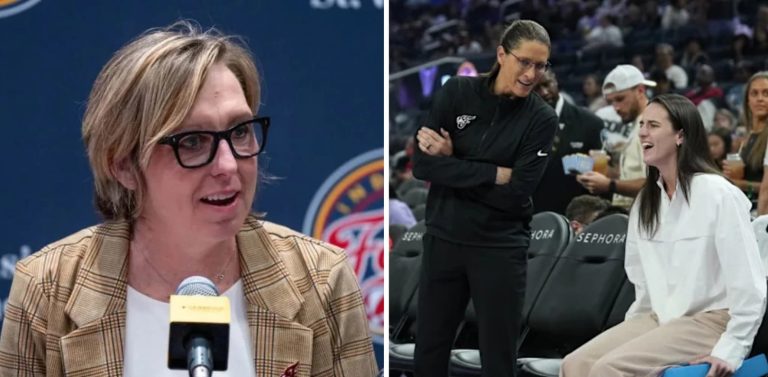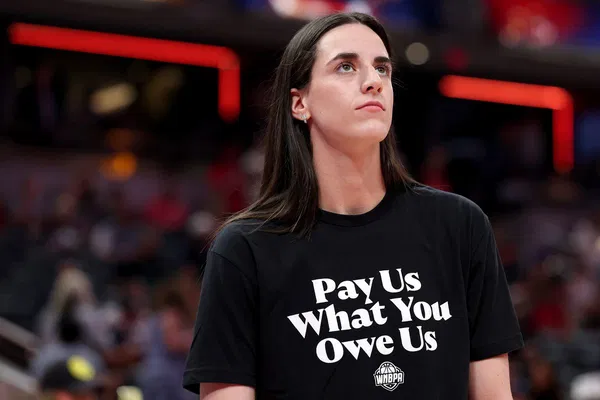
The WNBA free agency period typically allows teams to address roster needs, retain key contributors, and prepare for the upcoming season. However, the ongoing CBA negotiations have slowed that process significantly. Teams are reportedly cautious about committing to new contracts without knowing the final terms of salary structures, player benefits, and contract rules. This uncertainty has made it difficult for both players and franchises to move forward with confidence.
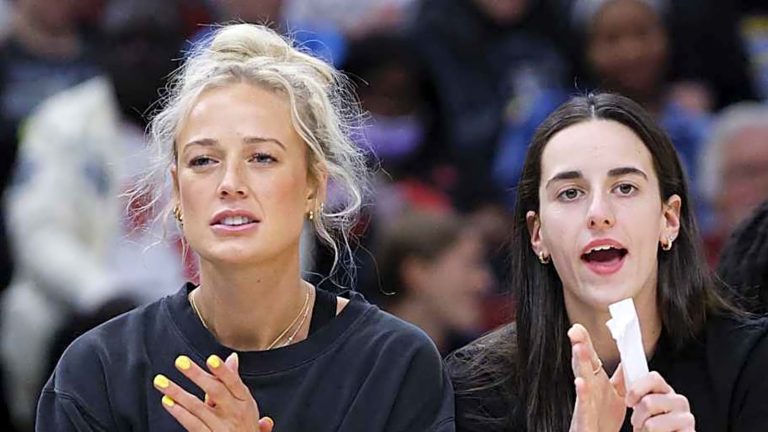
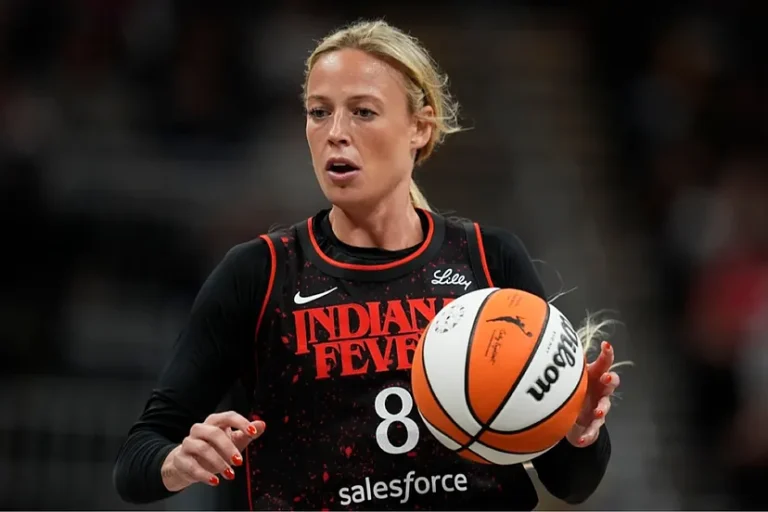
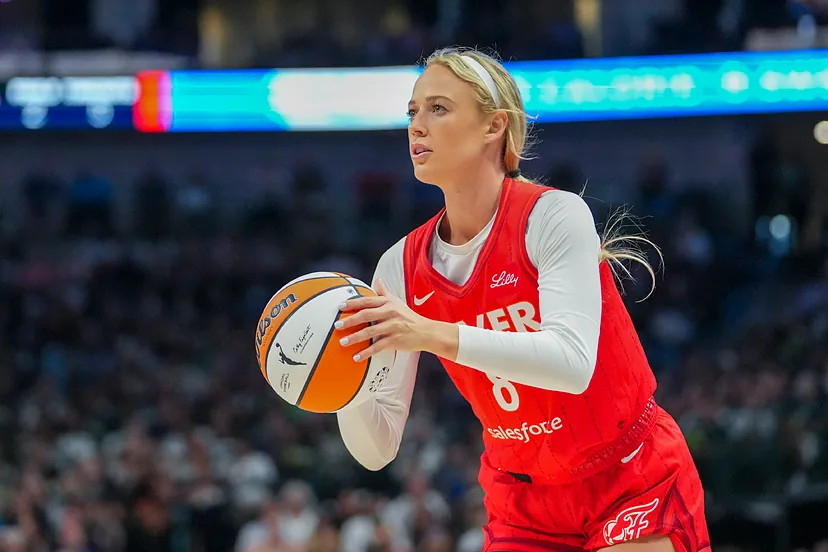
Sophie Cunningham’s situation has become one of the more notable examples of how these negotiations are affecting individual players. Recent reports suggest that her chances of returning now stand at under 10 percent, a figure that reflects more than just on court considerations. Contract flexibility, cap implications, and future planning under a new CBA framework all play a role in shaping these outcomes. For teams interested in Cunningham, the lack of clarity makes negotiations more complex than usual.
From a broader perspective, WNBA free agency delays can disrupt offseason momentum for the entire league. Teams that rely on early signings to establish chemistry may find themselves adjusting timelines. Players, meanwhile, must remain patient while navigating an uncertain market. This dynamic can favor franchises with stable cores while placing added pressure on teams undergoing major roster changes.
The Indiana Fever and other teams monitoring the market are likely paying close attention to how the CBA negotiations unfold. Decisions involving players like Cunningham are not just about performance but also about long term financial planning. A new agreement could redefine contract values and roster construction strategies, making short term commitments riskier until final terms are confirmed.
For fans, the situation underscores the importance of the CBA process in shaping the future of the league. While the negotiations may feel distant from game action, their impact on WNBA free agency is immediate and tangible. Player movement, team depth, and even competitive balance for the next season are all influenced by the outcome of these talks.
As discussions continue, expectations are that WNBA free agency activity will pick up once there is greater certainty. Until then, teams and players are likely to remain cautious, prioritizing flexibility over urgency. The resolution of the CBA negotiations will ultimately determine how quickly the market opens up and which players find new opportunities.
Comment Section Prompt
What do you think this situation means for teams preparing for the upcoming WNBA season?
About the Author