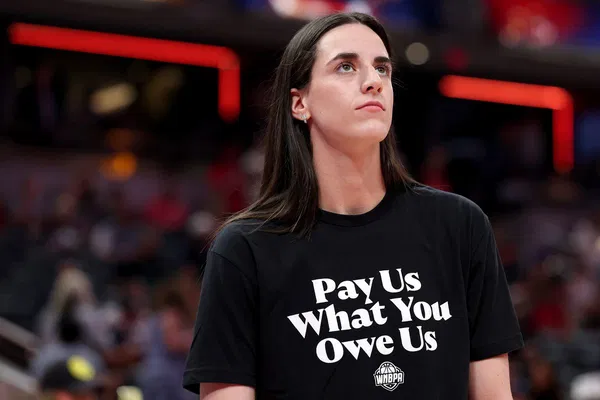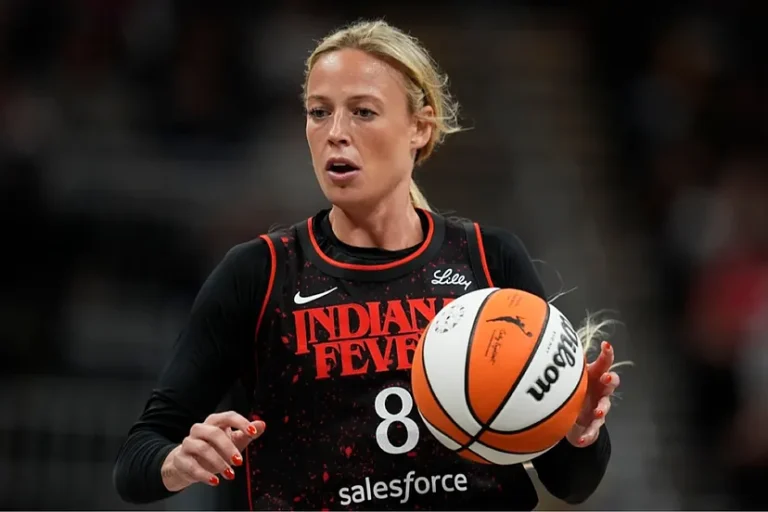
The controversy began when ESPN shared a graphic that appeared to place Caitlin Clark, JuJu Watkins, and Paige Bueckers on the same level in terms of NCAA impact and legacy. Rachel DeMita argued that this framing ignored the full scope of Clark’s college résumé. Clark finished her NCAA career as the all time leading scorer in Division I history, a record achieved through sustained production, durability, and offensive responsibility rarely seen at that level. DeMita emphasized that context matters when comparing players who are at very different stages of their careers.
Caitlin Clark’s NCAA legacy is built on four seasons of consistent dominance at Iowa. She carried a heavy offensive load, broke multiple scoring and assist records, and elevated her program nationally. DeMita’s point was not that JuJu Watkins or Paige Bueckers lack talent or potential, but that their college careers are either still developing or were interrupted by injuries. Comparing projected futures to completed careers can distort how fans understand historical accomplishments.
JuJu Watkins has already established herself as one of the most exciting young players in the NCAA, with scoring ability and defensive intensity that project well for the future. However, she is still early in her college journey. Paige Bueckers, while already decorated, lost significant time to injury, which impacted her statistical totals and overall availability. Rachel DeMita Caitlin Clark NCAA legacy commentary highlighted that longevity and availability are part of how legacies are formed, not just peak performance.
Media comparisons play a powerful role in shaping public perception, especially as women’s basketball gains more mainstream attention. DeMita’s criticism reflects a broader concern that simplified graphics can unintentionally rewrite history. Caitlin Clark’s impact extended beyond numbers, influencing attendance, television ratings, and national conversation around the women’s game. Treating that influence as interchangeable with emerging stars risks undervaluing what has already been accomplished.
This debate also arrives at a time when Caitlin Clark is transitioning into the WNBA with the Indiana Fever. Discussions around her NCAA legacy naturally influence how fans and analysts evaluate her professional expectations. For younger players like Watkins, constant comparison to Clark can also create unfair pressure before their careers have fully unfolded. DeMita’s stance suggests that each player’s journey deserves to be evaluated on its own timeline.
Comment Prompt
Do you think ESPN’s comparison fairly represented Caitlin Clark’s NCAA legacy, or did it overlook important context?
About the Author