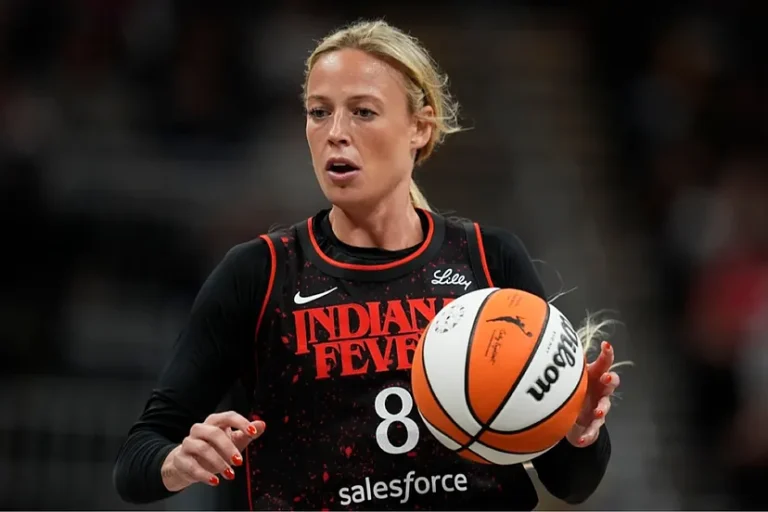
Unrivaled Basketball was founded by Breanna Stewart and Napheesa Collier as a player driven company aimed at reshaping the women’s basketball offseason. Launched in January 2025, the 3×3 league promised high salaries, equity opportunities, and a domestic alternative to overseas play. Early seasons benefited from curiosity and recognizable names, helping Unrivaled establish an initial footprint. However, the Unrivaled viewership decline suggests that early interest alone is not enough to guarantee long term engagement. As the league expanded in its second season, expectations rose alongside pressure to deliver consistent audiences.
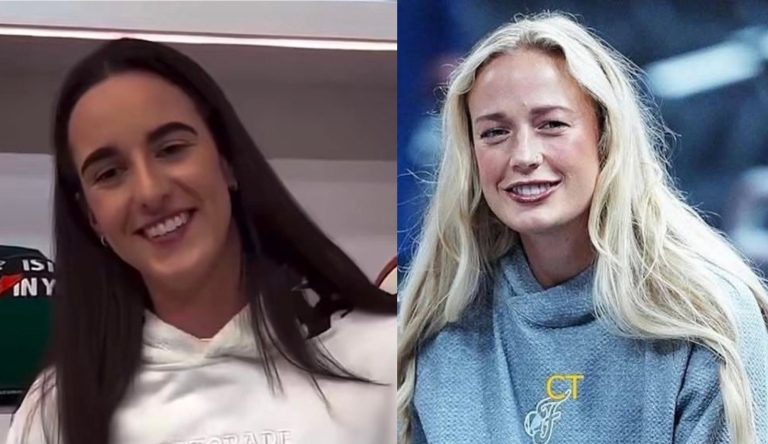
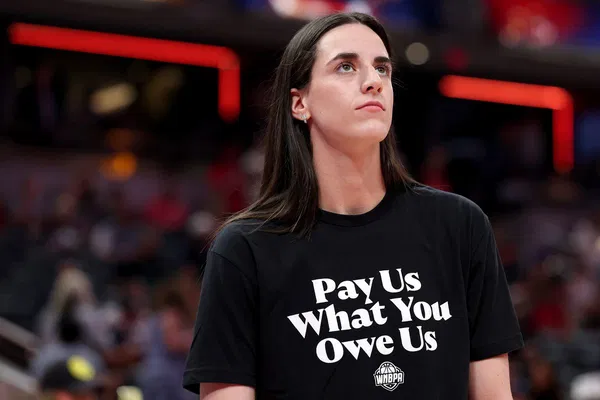
The discussion intensified after analyst Rachel Annamarie DeMita revisited Unrivaled’s November 2025 marketing campaign. The company teased a major announcement using repeated references to the number 22, which many fans associated with Caitlin Clark. When Clark ultimately did not join the league, disappointment followed. This moment mattered because it affected trust at a critical point just before the season began. While Clark made no negative statements about Unrivaled, the absence of the sport’s most visible star sharpened attention on declining ratings.
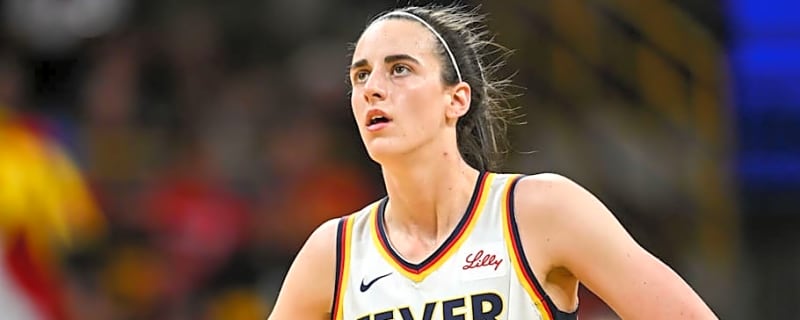
Caitlin Clark’s influence across women’s basketball media is well documented. Her presence routinely drives higher television ratings, ticket sales, and online engagement for the WNBA and related coverage. The Unrivaled viewership decline became more pronounced when fans compared those numbers to broadcasts without her involvement. This contrast is not unique to Unrivaled but reflects a broader reality in women’s sports. Star driven consumption continues to shape how audiences choose what to watch.
For Unrivaled Basketball as a company, the challenge goes beyond a single player. The league positioned itself as a premium alternative by offering salaries reported between $250,000 and $400,000 and partial ownership stakes. That advantage has narrowed following the WNBA’s new collective bargaining agreement, which significantly raised player compensation. With WNBA salaries now exceeding what Unrivaled offers, the company’s core pitch has weakened. This shift directly affects talent recruitment and long term competitiveness.
The Unrivaled viewership decline also exposes the difficulty of competing in a crowded sports marketplace. New leagues must battle established viewing habits, multiple platforms, and limited fan attention. Even innovative formats like 3×3 basketball require clear storytelling and consistent accessibility to grow audiences. When viewership drops early in a season, broadcast partners take notice. Unrivaled’s multi year deal with TNT includes opt out clauses that raise the stakes if ratings fail to recover.
Despite these challenges, Unrivaled Basketball is not without opportunity. Select events have still shown strong ticket demand, indicating pockets of interest remain. The company can refocus on transparency, player narratives, and realistic marketing expectations. Sustainable growth often requires adjustment rather than expansion. How Unrivaled responds to this moment will shape its credibility and future role within the women’s basketball ecosystem.
Comment Prompt
Do you think Unrivaled Basketball can grow its audience without relying on one superstar?
About the Author