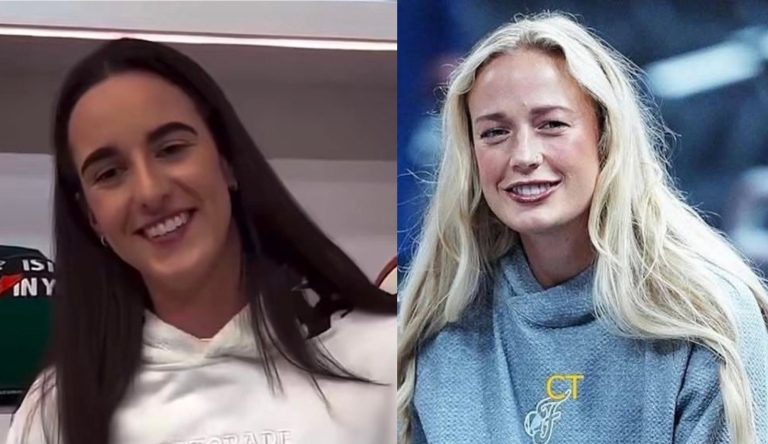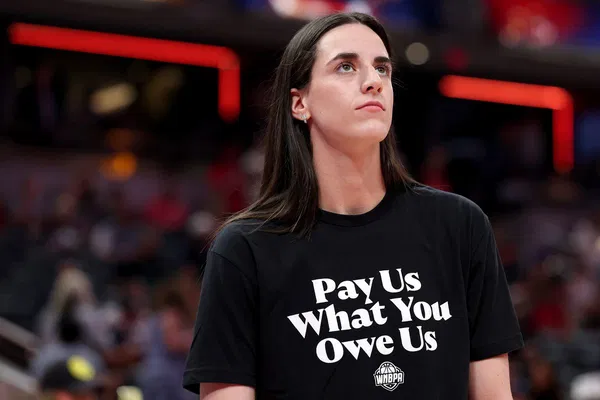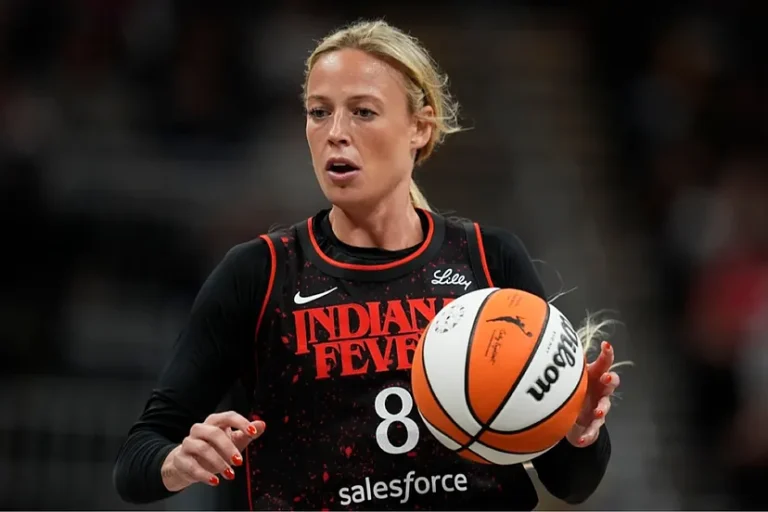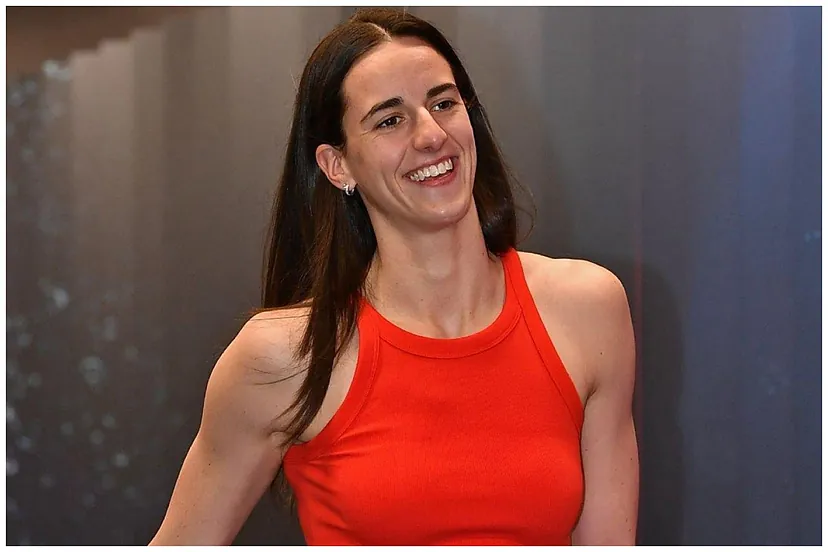
The Caitlin Clark WNBPA snub has triggered a strong reaction across the WNBA fan base, with many questioning how one of the league’s most influential players was left out while deeper labor issues came into focus. The situation unfolded as Alyssa Thomas drew attention to the current collective bargaining agreement, shifting the conversation beyond individual recognition. For many fans, this moment highlighted a growing disconnect between public perception, player impact, and union messaging. Understanding why this reaction has been so intense requires looking at both Clark’s influence and the broader context of the league’s labor structure.
Caitlin Clark’s impact on the WNBA has been undeniable since entering the league. Attendance spikes, television ratings growth, and increased social media engagement have followed her closely, particularly in markets like Indiana. When discussions around representation or recognition arise, fans naturally expect Clark’s name to be included due to her measurable effect on league visibility. The Caitlin Clark WNBPA snub struck a nerve because it felt disconnected from the business reality many fans see every week. To them, recognition should align with influence as much as on court performance.
At the same time, Alyssa Thomas used the moment to spotlight ongoing concerns surrounding the current WNBA collective bargaining agreement. From a player perspective, the CBA governs salary structures, benefits, travel conditions, and long term financial security. Thomas’s comments reframed the discussion by reminding fans that union decisions are often about collective leverage rather than individual popularity. This context matters because the WNBPA’s role is to represent all players, not just the most marketable ones. The tension arises when those priorities clash with fan expectations shaped by visibility and media attention.
The Caitlin Clark WNBPA snub also reflects a broader challenge facing the league as it grows. Star driven attention brings new fans who may not yet understand how union dynamics work in professional sports. Longtime players have spent years advocating for better pay and conditions without the benefit of mainstream coverage. As a result, moments like this can feel like a cultural divide between established players focused on labor progress and newer audiences focused on star recognition. Neither side is entirely wrong, but the lack of clear communication fuels frustration.
From a union standpoint, highlighting the CBA during a high profile moment is a strategic choice. The WNBA is approaching a critical period where future negotiations could reshape the league’s financial landscape. Drawing attention to labor issues while public interest is high can strengthen the union’s bargaining position. However, the Caitlin Clark WNBPA snub shows the risk of that approach. When fans feel their favorite player is overlooked, the message can be overshadowed by backlash rather than support for reform.
This situation also raises questions about how the league balances growth with equity. Caitlin Clark represents a new wave of attention that could accelerate revenue opportunities for everyone. At the same time, veteran players like Alyssa Thomas have laid the groundwork for those opportunities through years of advocacy. The challenge is aligning those realities without creating the perception of exclusion. The Caitlin Clark WNBPA snub became symbolic of that balancing act rather than just a single decision.
Looking ahead, fans should expect more moments like this as the league continues to evolve. Increased media coverage means more scrutiny of union decisions and league messaging. It also means players will be navigating a spotlight that extends beyond basketball into labor politics and public perception. If anything, this controversy underscores how important transparency will be as the WNBA moves toward its next CBA cycle. Clear communication can help fans understand why certain choices are made, even if they do not always agree with them.
Ultimately, the Caitlin Clark WNBPA snub is less about one player being overlooked and more about a league in transition. It reflects growing pains that come with increased popularity, shifting power dynamics, and higher stakes negotiations. For the WNBA, these debates signal progress, even when they are uncomfortable. For fans, they offer a deeper look into how the league operates behind the scenes and why labor issues matter just as much as on court performances.
Comment Section Prompt
What do you think this moment reveals about the future of the WNBA and its relationship with fans?
About the Author