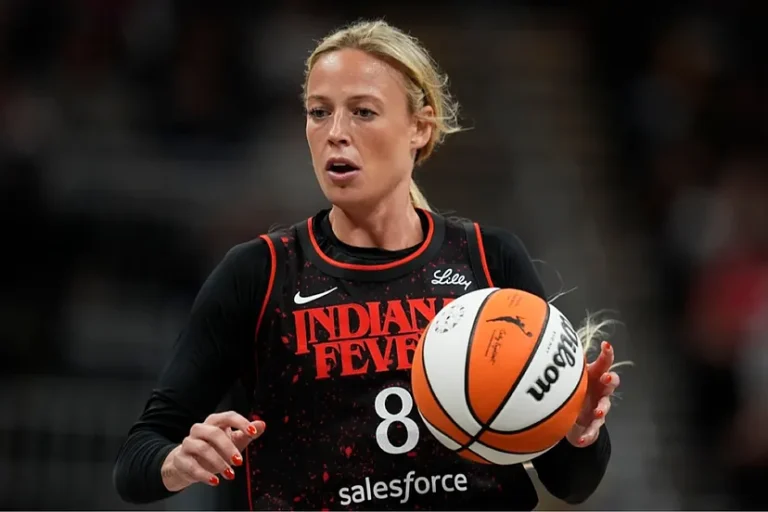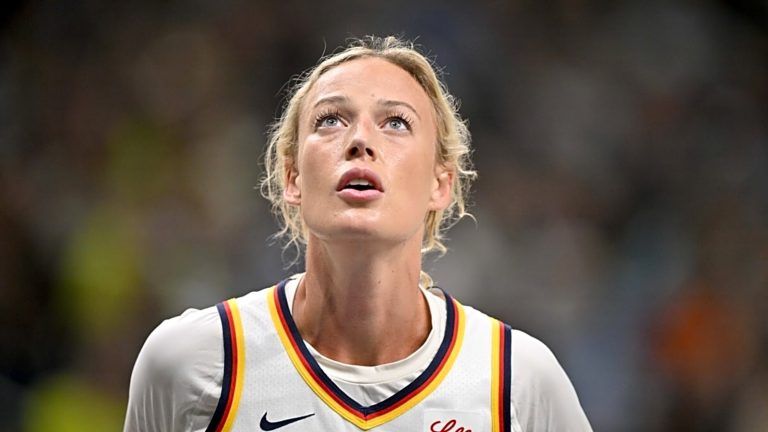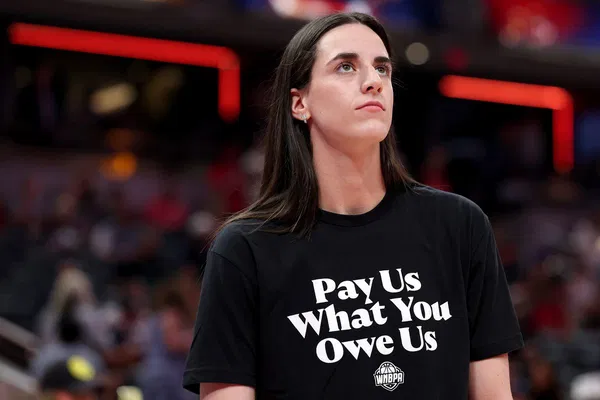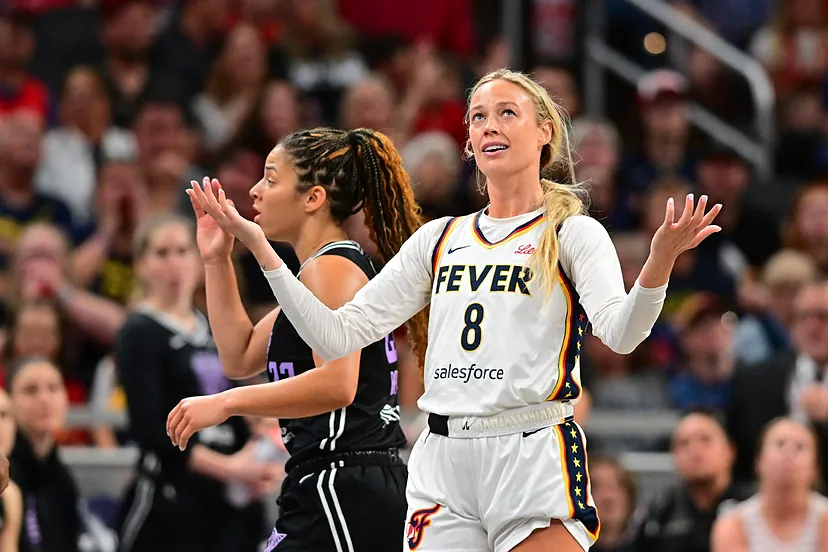
The WNBA CBA lockout threat has become a major talking point among fans and players after Indiana Fever guard Sophie Cunningham publicly criticized the ongoing collective bargaining agreement negotiations. Cunningham’s blunt remarks reflect frustration among players as the league and the Women’s National Basketball Players Association (WNBPA) struggle to reach a new deal. The current CBA has expired, creating uncertainty around free agency timing, player earnings and potentially the 2026 season.
For months, both sides have been at odds over revenue sharing, salary structures, and long-term security for players. The WNBA offered an extension on the previous contract to continue talks, but the players remained unconvinced the offer met their priorities. This stalemate has led to concerns that a work stoppage could happen if no meaningful progress is made.
Sophie Cunningham’s comments capture the rising anxiety in the league. She described the stalled negotiations as “so dumb,” saying they could push the WNBA toward a lockout. Her remarks gained traction because they come from a veteran player with influence in the locker room and represent the growing impatience among athletes who feel their contributions to the league’s growth are not being adequately recognized or rewarded.
The core of the negotiations centers on how the league should share revenue with players and how salaries should be structured. Players have pushed for a revenue-sharing model that reflects the WNBA’s rising popularity, arguing that a fixed salary scale does not align with the league’s financial growth. The league, for its part, has expressed concerns about financial sustainability while acknowledging the need for progress.
Missing the January 9 deadline without a new CBA in place led to a moratorium that paused initial stages of free agency and other league business. This moratorium reflects the status of negotiations: neither side has agreed to a new contract, and both are legally positioned to continue talks under “status quo” terms. The moratorium affects qualifying offers and franchise designations that usually happen in January.
If talks remain stalled, the possibility of a lockout or other work stoppage cannot be ignored. A lockout would prevent players from accessing team facilities, delay free agency, and push back training camps. In a worst-case scenario, the 2026 WNBA season could start late or face disruption if no agreement is reached in time. Even though a lockout has never happened in WNBA history, it remains a potential outcome given the current impasse.
For Indiana Fever fans, Cunningham’s vocal stance illustrates how deeply players care about labor rights and fair compensation. Her involvement also highlights the larger narrative of player empowerment in professional sports. As negotiations continue, players and league officials alike say they want a deal that benefits the future of the game and its athletes.
The ongoing CBA talks matter because they affect more than salaries. They influence how players are treated, how the league grows commercially, and how fans experience the sport. A thoughtful and balanced agreement could usher in a new era of stability and increased investment in the women’s game. But until both sides find common ground, uncertainty will remain at the heart of WNBA labor discussions.
Comment Section Prompt
What do you think this means for the Fever and the league if the WNBA CBA lockout risk continues?
About the Author