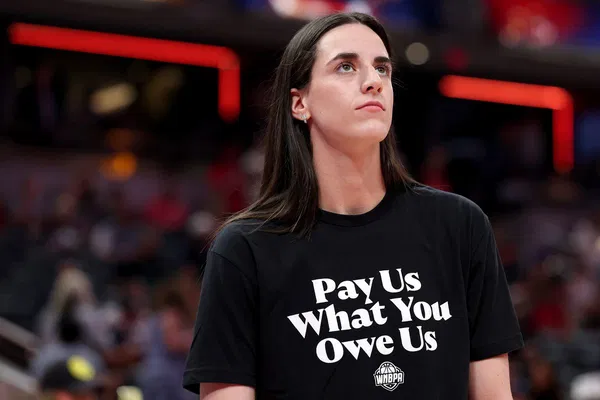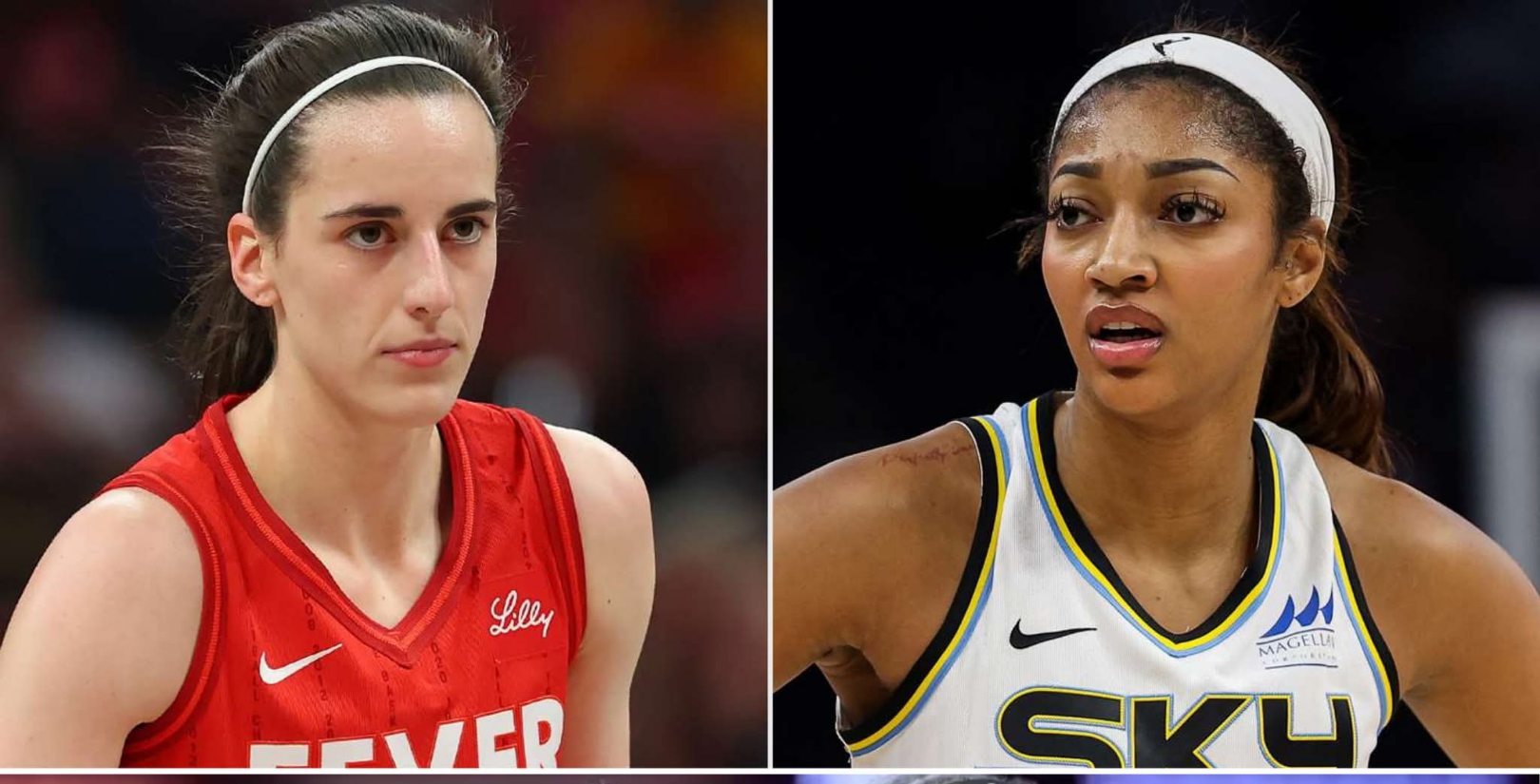
The WNBA decision to schedule Caitlin Clark vs Angel Reese during the mid season break has quickly become one of the most discussed topics among fans this season. The matchup remains one of the league’s most visible rivalries, drawing attention from casual viewers and long time supporters alike. However, placing this game in the middle of a break has changed how fans experience it. Many supporters say the timing removes some of the anticipation and shared excitement that surrounded previous meetings. The league now faces questions about how scheduling choices impact fan engagement.
The Caitlin Clark vs Angel Reese rivalry has been a major driver of interest since their college days carried over into the professional game. Each meeting brings heightened television ratings, increased social media discussion, and packed arenas. Fans have grown used to these games feeling like major events tied into the natural rhythm of the season. In earlier seasons, matchups between high profile stars were placed when momentum was building. This time, the context feels different, with players and fans mentally shifting during a scheduled pause.
Scheduling the game during the WNBA mid season break has led some fans to describe the experience as losing a significant part of the joy. Break periods often disrupt routine viewing habits, with some fans traveling or stepping away from regular game watching. Others feel the emotional buildup is harder to maintain when the season flow is interrupted. While the game itself still carries competitive importance, the surrounding atmosphere feels muted compared to previous seasons. This reaction highlights how timing can influence perception even when the on court product remains strong.
From the league’s perspective, the decision may have been driven by broadcast logistics or attempts to maintain visibility during a quieter stretch. Featuring Caitlin Clark vs Angel Reese during a break could be seen as a way to anchor attention when fewer games are being played. However, fan response suggests that marquee matchups benefit most when placed within the full energy of a normal schedule. Rivalries thrive on continuity, conversation, and momentum built over weeks. Interrupting that rhythm can change how the moment is remembered.
The implications go beyond one game. The WNBA continues to grow, with star driven narratives playing a key role in attracting new fans. How and when those narratives are presented matters. Supporters are not questioning the value of the rivalry itself, but rather how best to showcase it. As the league plans future schedules, this reaction may influence how high profile games are spaced and promoted. Balancing broadcast needs with fan experience will remain an ongoing challenge.
Looking ahead, Caitlin Clark vs Angel Reese will continue to be one of the WNBA’s most important storylines regardless of scheduling. Both players bring competitive intensity, strong followings, and contrasting styles that make every meeting compelling. The conversation sparked by this decision shows how invested fans are in the league’s growth. Ensuring those moments feel special will be crucial as interest continues to rise. How the WNBA responds could shape fan trust moving forward.
Comment Section Prompt
What do you think the WNBA should consider when scheduling future Caitlin Clark vs Angel Reese matchups?
About the Author