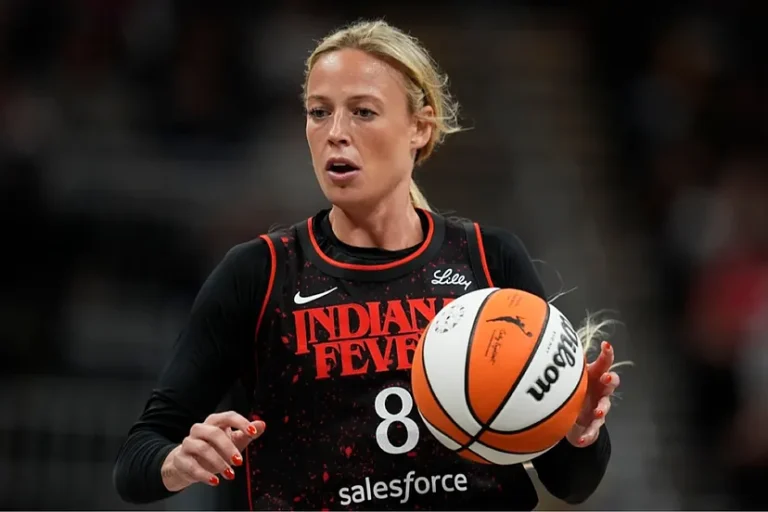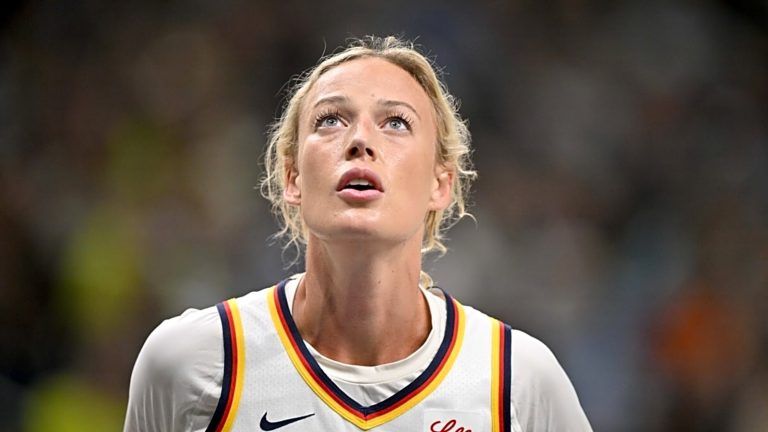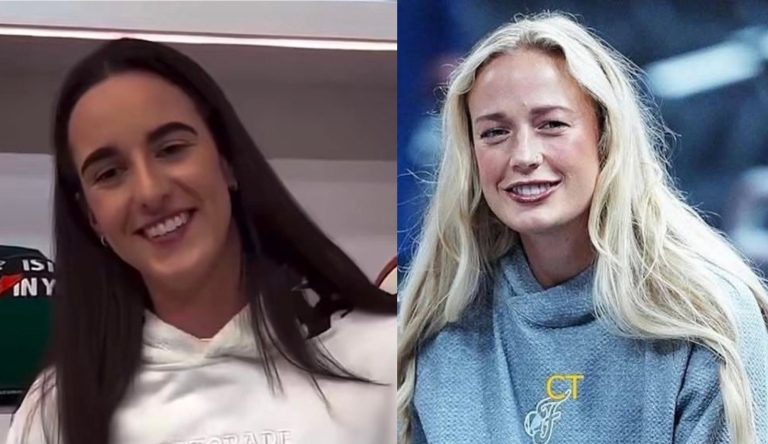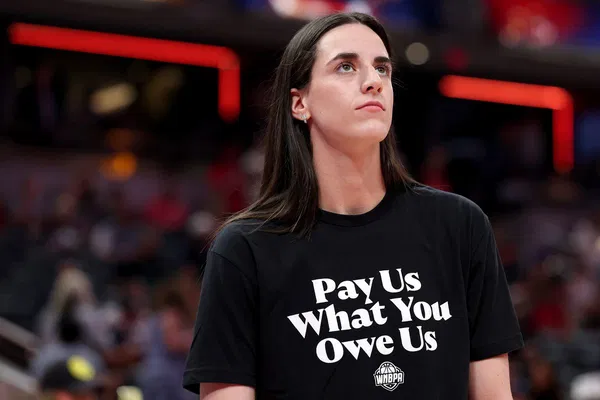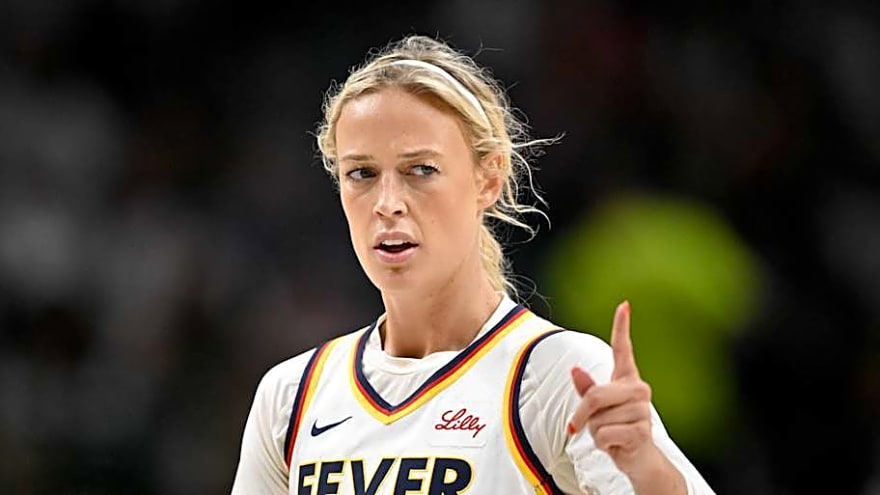
Sophie Cunningham’s rise in popularity with the Indiana Fever did not happen overnight. She had already built a reputation as a physical and competitive guard earlier in her career, but her role in Indiana placed her on a much larger stage alongside Caitlin Clark. During the June 17 game against the Connecticut Sun, Cunningham stepped in during a heated sequence involving Clark and opposing player Jacy Sheldon. The moment quickly went viral across social media platforms and sports networks. Fans interpreted her actions as standing up for the league’s most visible star, reinforcing her image as an enforcer and emotional leader for the team.
In interviews after the game, Cunningham explained that her reaction came from frustration over what she believed was a lack of protection for star players. She emphasized that defending teammates was part of her responsibility on the court. That statement resonated with many Indiana Fever supporters who had been calling for stronger physical presence around Clark. The incident shifted Cunningham’s public profile from role player to cultural symbol of toughness. It also sparked broader conversations about physical play in the WNBA and how referees handle high-profile athletes.
The Sophie Cunningham UFC spotlight became official when Dana White appeared in a promotional video wearing a shirt featuring Cunningham’s now-famous image. The shirt included a bold pose that matched her fearless on-court persona, and fans immediately noticed the crossover between basketball and combat sports. White’s choice of apparel suggested recognition from one of the most powerful figures in sports entertainment. Cunningham herself reacted positively on social media, calling the moment something she loved. This exchange further amplified her visibility and brought her name into discussions far outside traditional WNBA audiences.
This attention highlights how sports personalities can transcend their leagues when their actions align with broader cultural themes like toughness, loyalty, and competitive fire. Cunningham’s moment connected with UFC fans because it resembled the kind of intensity they associate with fighters. The crossover also reflects the growing popularity of women’s basketball, especially around players linked to Caitlin Clark and the Indiana Fever. What once would have been a short-lived highlight now carries long-term branding value for both the player and the team.
While her popularity continues to rise, Cunningham’s future with the Indiana Fever remains an important topic for fans. She is expected to enter free agency once the next WNBA collective bargaining agreement is finalized. Reports and public comments indicate that she is interested in returning to Indiana, where her profile has reached new heights. The combination of fan support, media attention, and her role as a defensive presence makes her a valuable asset for the franchise. Her situation also represents a larger shift in how role players can become central figures through defining moments rather than just scoring statistics.
For the Fever, Cunningham’s newfound fame adds another layer to their growing identity. The team has already benefited from increased ticket sales and national coverage due to Caitlin Clark’s arrival. Cunningham’s image as a protector and competitor strengthens the narrative of Indiana as a team built on intensity and unity. The Sophie Cunningham UFC spotlight serves as proof that WNBA players can capture attention in unexpected ways and influence audiences beyond basketball. This type of exposure helps the league expand its reach and build stronger cultural relevance.
Comment Section Prompt
What do you think this moment means for Sophie Cunningham’s future with the Indiana Fever next season?
About the Author