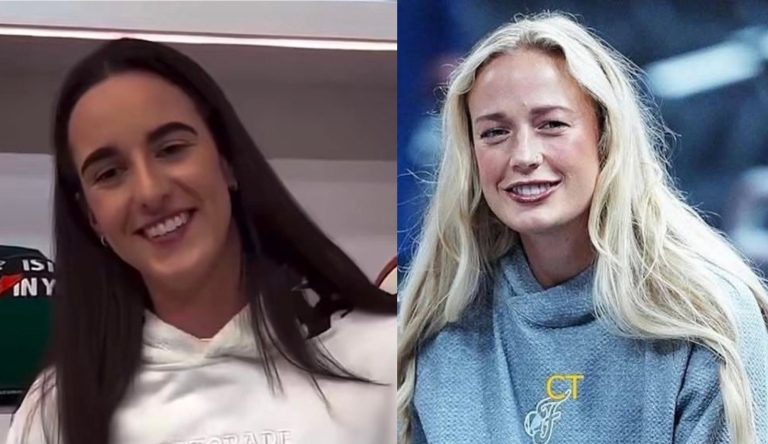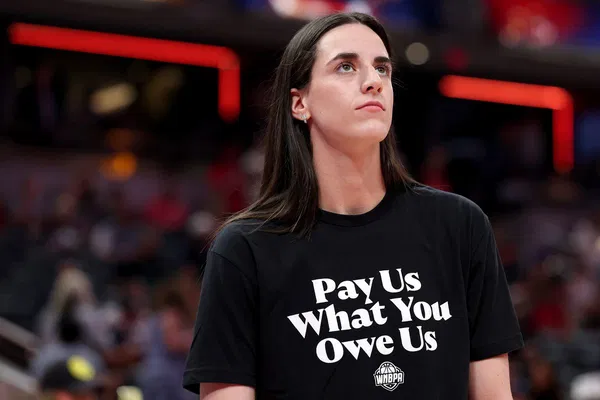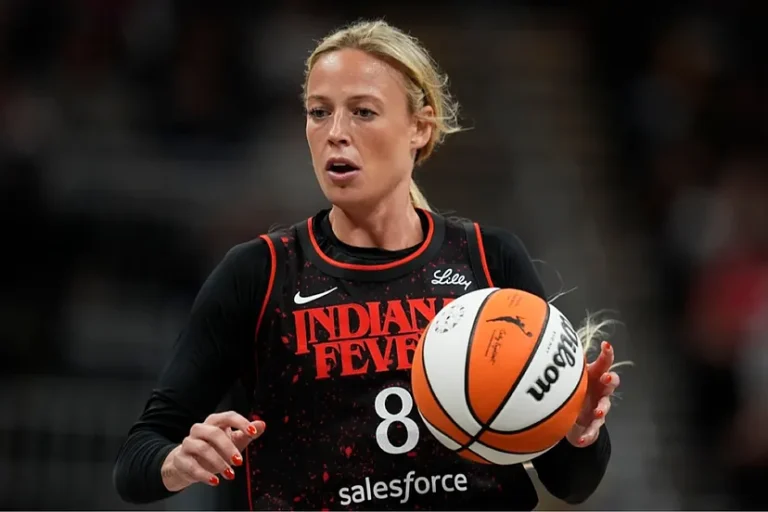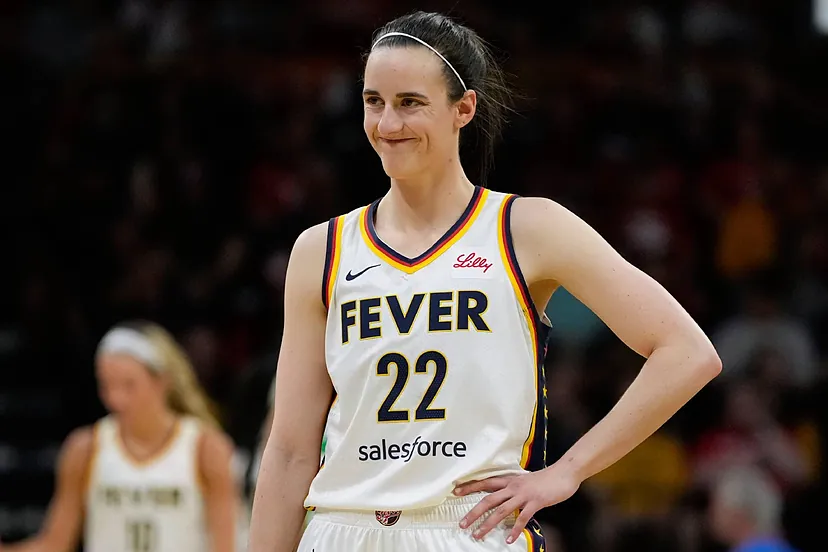
The rivalry between Caitlin Clark and Paige Bueckers fans started in college basketball, where both players dominated their respective teams and earned national attention. Clark, known for her scoring ability and leadership on the court, built a massive following at Iowa. Bueckers, on the other hand, impressed at UConn with her versatility and playmaking skills. Fans quickly aligned with one star or the other, creating a divide that has only intensified as both transitioned into professional play.
Social media amplified the tension between these fanbases. Platforms like Twitter and Instagram became battlegrounds where every highlight, assist, or clutch performance sparked debate. Memes, comparisons, and highlight reels often exaggerate differences, leading to clashes over who is the “better player.” The debate is not just about skill but also about loyalty, team success, and personal preference, making the discussions emotionally charged.
The rivalry also reflects a generational shift in women’s basketball fandom. Fans today engage online in ways that were not possible in previous eras. This visibility makes the conflict seem larger than life, even if the players themselves maintain professional respect for each other. Analysts note that while Clark and Bueckers focus on their teams, the fan-driven narrative can shape public perception and influence media coverage of the WNBA.
Indiana Fever fans in particular have strong opinions about Caitlin Clark. With Clark’s prominence rising in the WNBA, Fever supporters are proud of her contributions but also defensive when comparisons to Bueckers emerge. For Bueckers fans, loyalty to her style and past achievements at UConn creates a natural opposition. Understanding these perspectives shows why debates can quickly escalate, even if both players continue to perform at an elite level.
The implications of this fan rivalry extend beyond social media arguments. Sponsors, broadcast coverage, and league promotions increasingly notice where engagement is highest. While the rivalry can drive interest in WNBA games, it also challenges the league to maintain positive narratives around both players. Fans should expect this debate to continue, especially as both Clark and Bueckers take on bigger roles in professional basketball and national competitions.
As both stars grow in their careers, the fan rivalry may evolve. Some discussions may become more analytical, focusing on stats, performance, and team impact rather than emotional loyalty. For fans, recognizing the context and respecting differing opinions can lead to healthier conversations. The rivalry, while intense, ultimately highlights the growing popularity and competitiveness of women’s basketball.
Comment Prompt
Which player do you think has the bigger impact on the WNBA right now, Caitlin Clark or Paige Bueckers?
About the Author