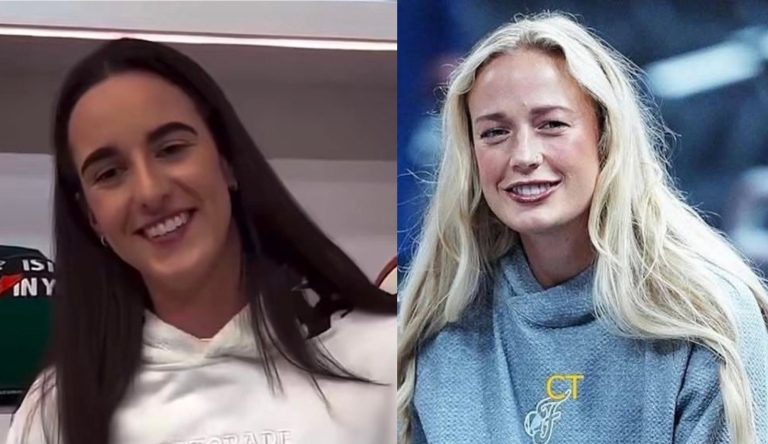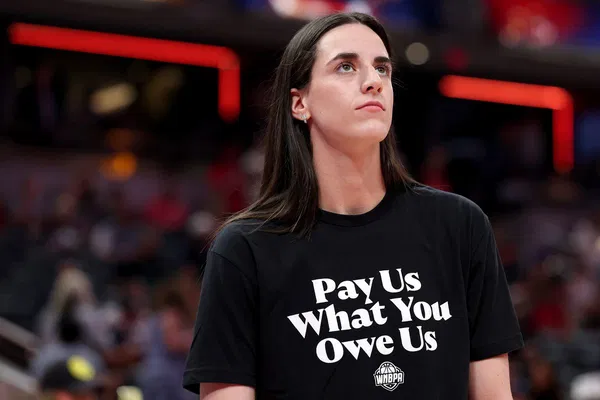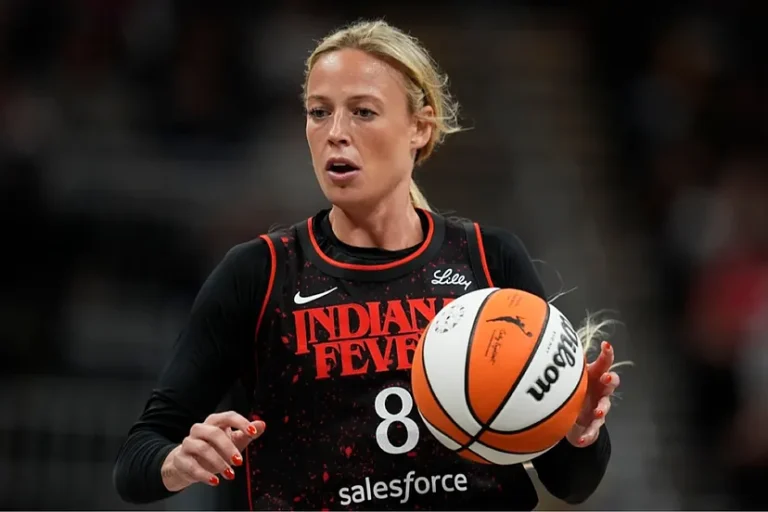
The Sophie Cunningham Trinity Rodman message quickly became part of a larger conversation about player value and compensation in women’s sports. Cunningham reacted publicly after Rodman signed a record breaking contract in women’s soccer, making her the highest paid female player in the world. The brief social media post came at a sensitive time for the WNBA, as players and league officials continue negotiating a new collective bargaining agreement. Many fans saw Cunningham’s reaction as more than celebration and instead as a subtle reminder of what athletes believe they deserve financially. It also highlighted how closely players across different leagues are watching each other’s progress.
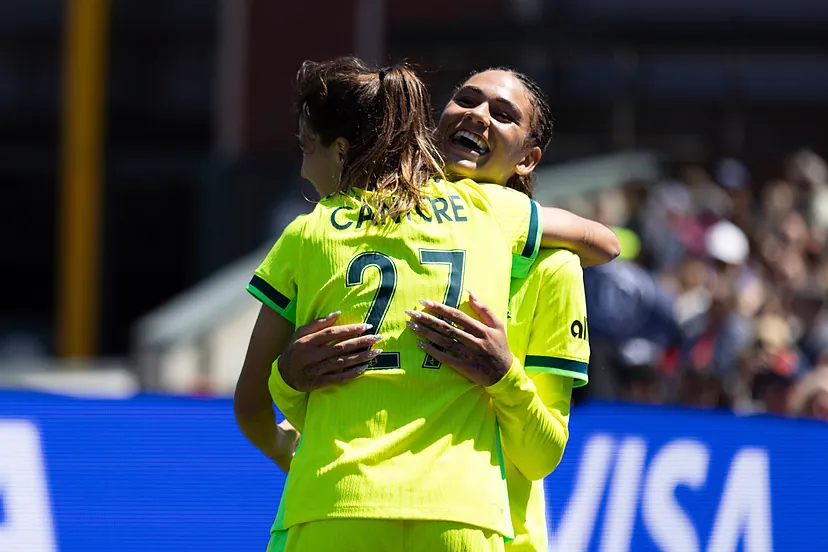
Trinity Rodman’s new deal with Washington runs through 2028 and represents a major shift in how elite female athletes are valued. Her contract reflects both her on field performance and the growing commercial interest in women’s soccer in the United States and abroad. For WNBA players, Rodman’s agreement serves as proof that women’s sports can support higher salaries when leagues commit to stronger marketing and revenue models. The Sophie Cunningham Trinity Rodman message stood out because it linked two sports facing similar challenges around pay equity and long term financial security. It reinforced the idea that success in one league can influence negotiations in another.
The timing of Cunningham’s post matters because the WNBA Players Association and league officials remain far apart on key financial terms. Players have proposed salary caps exceeding ten million dollars and average salaries approaching one million dollars per season. League leadership has countered with a more conservative structure tied closely to revenue growth and long term profitability. While negotiations continue, the league has announced the 2026 schedule under a temporary status agreement. This approach allows teams and broadcasters to prepare for the season while talks remain unresolved, but it also keeps pressure on both sides to reach a fair compromise.
From a fan perspective, the discussion goes beyond one social media post or one soccer contract. The Sophie Cunningham Trinity Rodman message symbolizes a growing awareness among athletes of their market power and influence. Television ratings, merchandise sales, and social media engagement have all increased across women’s sports in recent years. Players argue that compensation should reflect that growth, especially as leagues expand their reach globally. Rodman’s deal strengthens that argument by showing that sponsors and organizations are willing to invest heavily in star players who attract attention and loyalty.
Looking ahead, the outcome of the WNBA labor talks could shape the league for the next decade. Higher salary caps and improved revenue sharing could help retain top talent and attract future stars who might otherwise look overseas for better pay. Cunningham’s public support for Rodman suggests that athletes are using every opportunity to highlight progress and push for similar recognition within their own leagues. The Sophie Cunningham Trinity Rodman message may seem small on its own, but in context it reflects a broader movement among women athletes to demand compensation that matches their impact on the sports industry.
The reaction from Sophie Cunningham to Trinity Rodman’s contract shows how closely connected women’s sports have become across leagues. It underscores the importance of the current WNBA negotiations and why players believe this moment could redefine salaries and revenue sharing. As the 2026 season approaches, fans should expect continued dialogue and pressure for meaningful change. What happens next will not only affect WNBA players but also influence how women’s sports are valued worldwide.
Comment Prompt
What do you think this means for WNBA player salaries going forward?
About the Author