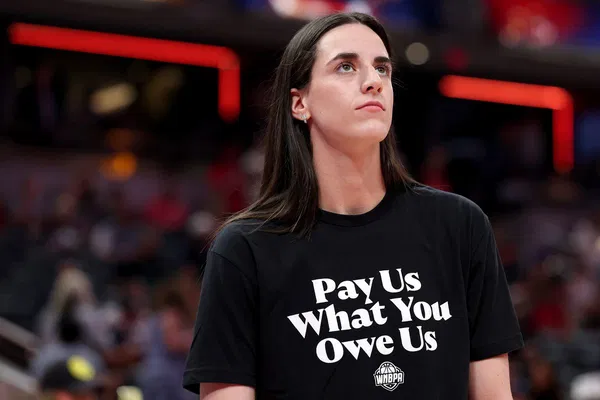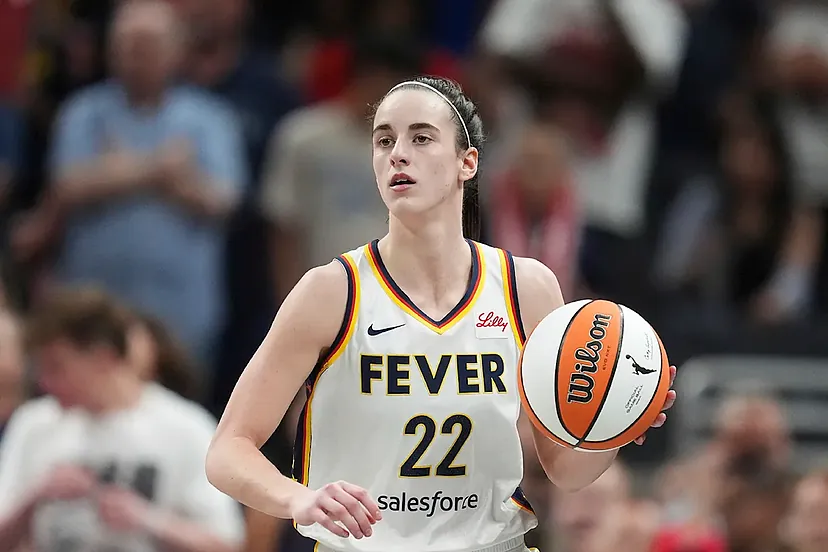
The Caitlin Clark WNBA schedule has become one of the most closely watched storylines heading into the 2026 season. After a year marked by injuries and limited availability, WNBA teams are now approaching their scheduling decisions with more caution. Clark’s presence has consistently driven record crowds and media attention, making her one of the league’s most valuable attractions. When she is healthy and active, ticket demand rises sharply and teams often move games to larger venues to accommodate fans. However, uncertainty surrounding her status has forced franchises to rethink how aggressively they plan around her appearances.
During the 2025 season, Clark’s road games became a major business driver for the league. Nine away games were moved to larger arenas, drawing average crowds of more than 15,000 fans. That figure stood out compared to typical attendance levels across the league and showed just how much Clark influenced local markets. For many teams, hosting the Indiana Fever was seen as an opportunity to create a marquee event and introduce new fans to the WNBA. The success of those games highlighted how one star player could reshape scheduling strategies and revenue planning across multiple franchises.
Heading into 2026, the approach has shifted noticeably. Only four games have been scheduled for alternate larger venues, even though the league has expanded its total number of off site games to nineteen. Much of this growth comes from new franchises such as Toronto Tempo and Portland Fire, which are using neutral or larger venues to test new markets and build regional support. The reduced number of Clark related venue changes reflects growing caution among teams that do not want to risk moving games if her availability is uncertain. This adjustment shows how the Caitlin Clark WNBA schedule now depends not just on fan demand but also on medical updates and long term planning.
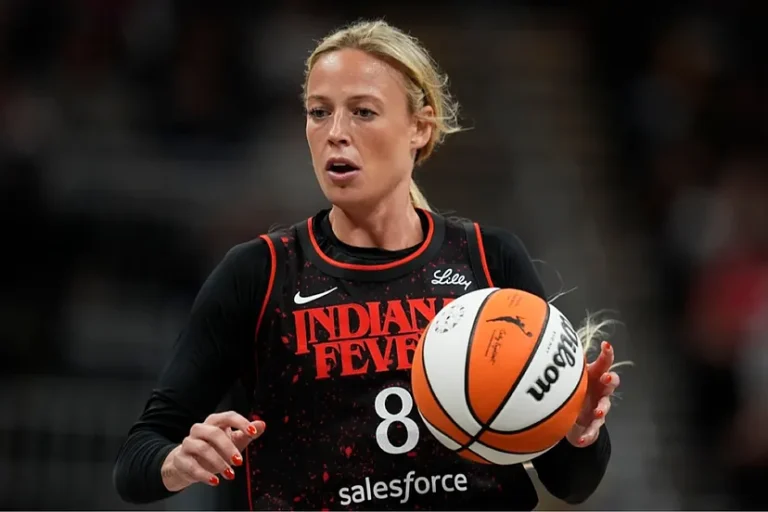
Clark’s recovery is also tied closely to her development with fellow Indiana Fever star Aliyah Boston. Both players recently participated in USA Basketball training camps, raising expectations that they could represent Team USA in upcoming international tournaments. Their potential involvement in the FIBA Basketball World Cup in Berlin adds another layer of complexity to the WNBA calendar. Teams must prepare for the possibility that key players may miss games late in the season due to international commitments. For franchises planning playoff pushes, this uncertainty affects not only ticket sales but also competitive balance and roster management.
For fans, the situation highlights how much the league has changed in a short time. Clark’s arrival brought new visibility, national broadcasts, and sellout crowds to cities that previously struggled to fill seats. Now, her health has become a central factor in business and basketball decisions across the league. Teams are still counting on her return to full strength, and the WNBA expects that a healthy Clark and Boston pairing can drive another wave of excitement and championship aspirations for the Indiana Fever. At the same time, the league’s careful scheduling choices show a more mature and strategic approach to managing star power in a long season.
The evolving Caitlin Clark WNBA schedule shows how one player’s availability can influence league wide decisions on venues, attendance planning, and competitive strategy. While Clark remains the league’s biggest draw, teams are now balancing excitement with caution as they prepare for the 2026 season. This shift matters because it reflects the WNBA’s growth into a league that must plan around both star appeal and long term stability. Fans will be watching closely to see how Clark’s return shapes not only the Indiana Fever’s season but also how the entire league presents its biggest games.
Comment Prompt
What do you think this scheduling shift means for the WNBA and its fans next season?
About the Author