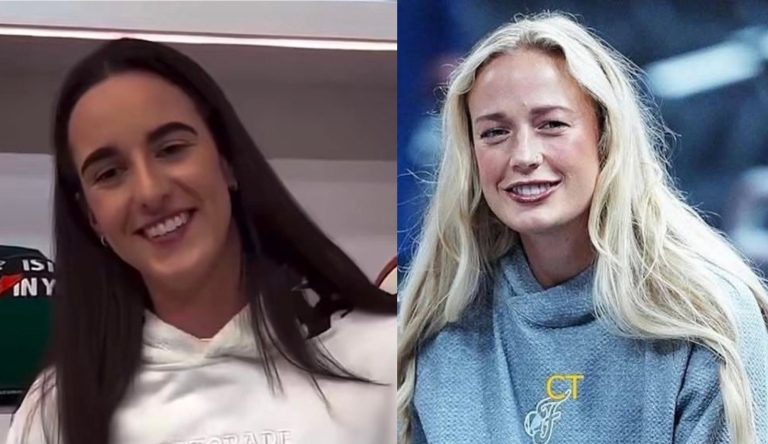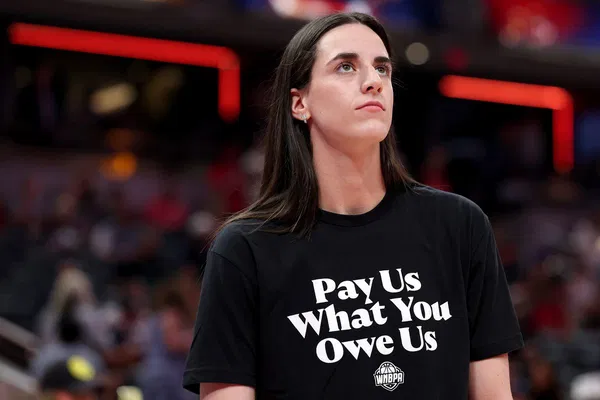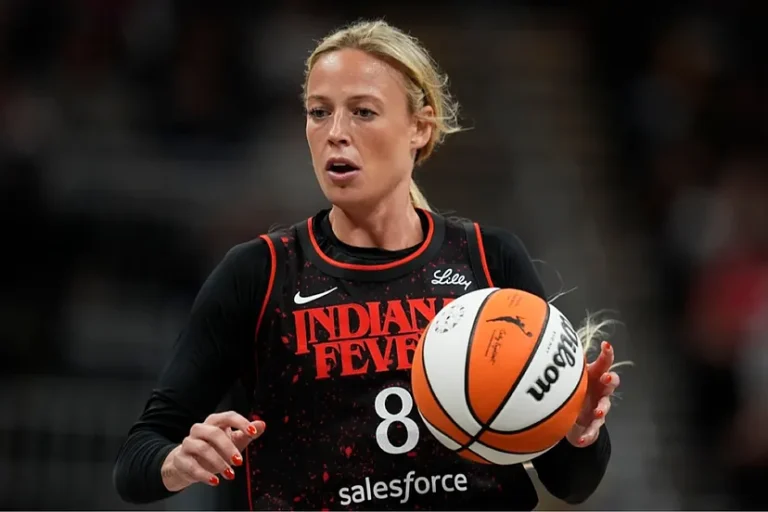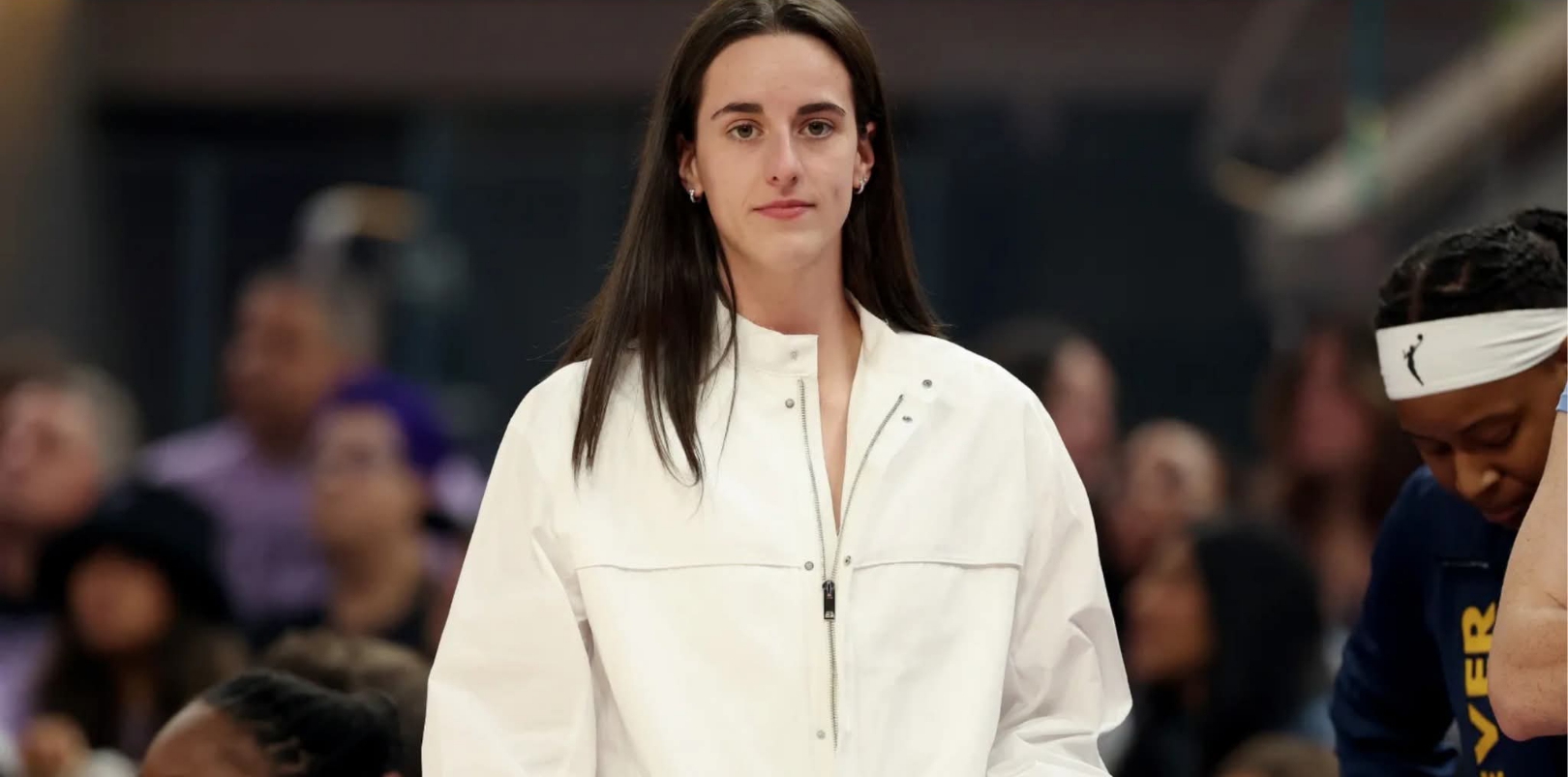
Caitlin Clark has become one of the most talked‑about players in women’s basketball, and recent commentary suggesting UConn bias against her has driven intense discussion among WNBA fans. The topic resurfaced after broadcast analyst Tiffany Bias Pelton compared Clark’s style to that of fellow rookie Paige Bueckers during live WNBA coverage. Pelton said, “You can tell they are two different styles of players. Paige is getting people involved. Caitlin’s more looking for her shot,” a remark many viewers found at odds with Clark’s statistical output.
This comment came during an ION broadcast segment analyzing the rookie seasons of Clark and Bueckers. Clark’s numbers that year included averaging more assists per game than Bueckers, leading the entire league in assists, yet Pelton framed her as more shot‑focused than playmaking. Many fans pointed out this characterization overlooked the data shown in the on‑screen graphic. Reactions on social media highlighted disbelief that someone leading the league in assists could be described primarily as a ball‑seeker, not a facilitator.
Understanding why fans felt the comment reflected UConn bias requires some context. Paige Bueckers, a former UConn standout and the top pick in the same draft as Clark, carries strong name recognition and media support from her college legacy. While Bueckers has been open about the challenges and pressures of elite competition, including praising Clark’s ability to handle intense expectations, the narrative often pivots back to comparisons rooted in college history. � Some observers believe this lingering college frame can skew how analysts and commentators talk about Clark’s professional impact, which contributes to the perception of bias.
The implications of such commentary extend beyond a single broadcast highlight. For many WNBA fans, any suggestion that Clark is less of a playmaker than peers ignites debate about accuracy in sports analysis and fairness in coverage. Objective reporting and commentary that aligns with verifiable performance statistics help maintain credibility for both analysts and the league. When fans feel commentary ignores key facts, trust erodes and discussions become heated. Clark’s influence on the Indiana Fever and the league, evidenced by her multifaceted game and statistical achievements, deserves scrutiny based on data rather than assumptions tied to narrative history.
Looking ahead, fans and analysts alike should expect continued examination of how major media outlets and commentators portray top WNBA talents like Clark. As her career progresses, her performance on the court will continue to shape perceptions independent of past comparisons. Objectively evaluating her impact against real numbers and situational context can improve discussion quality and spotlight her contributions to women’s basketball.
In conclusion, the UConn bias commentary tied to Caitlin Clark highlights the ongoing conversation around fairness and accuracy in sports media. Referencing specific analyst remarks, such as Tiffany Bias Pelton’s, provides concrete examples for readers and helps ground the topic in real WNBA discourse. Keeping focus on facts, context, and performance trends over time will ensure that discussions about Clark’s legacy are informative and worthwhile for fans and analysts.
Comment Section Prompt
What do you think this means for how analysts should talk about top players like Caitlin Clark in future WNBA coverage?
About the Author