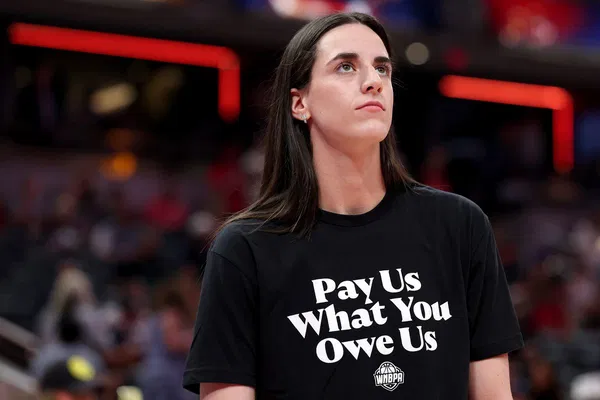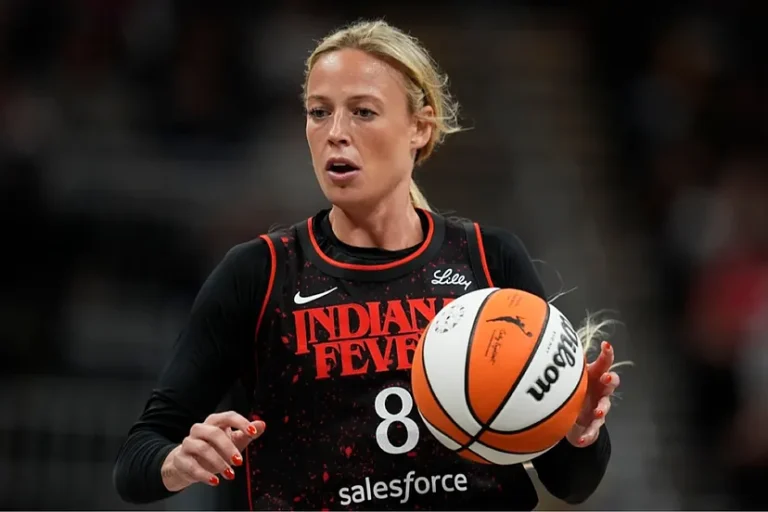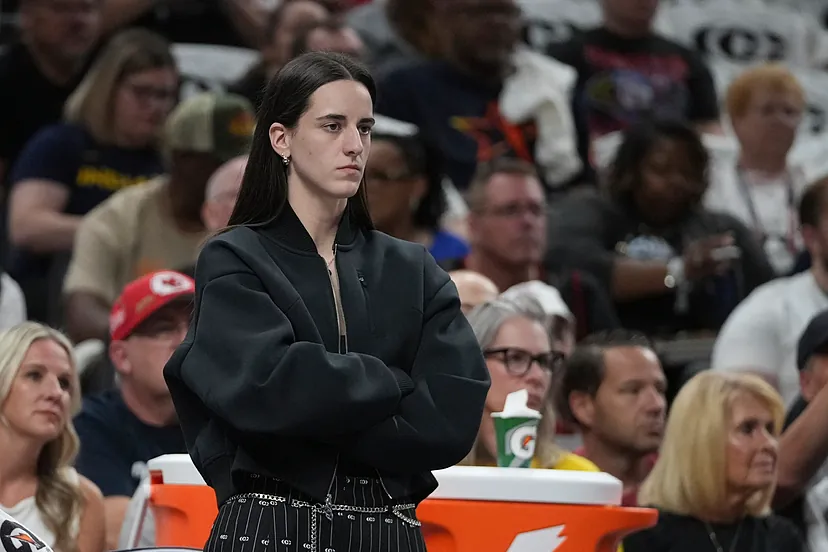
Caitlin Clark impact is already shaping plans for the 2026 WNBA season, as the Indiana Fever and league officials adjust schedules around her availability. Even with the league announcing its 2026 schedule, questions remain due to the ongoing labor negotiations and Clark’s recent injury history. Fans and teams alike are closely watching how her presence or absence will influence games, ticket sales, and arena logistics this season.
The WNBA has released its official 2026 season schedule, marking the league’s 30th year. With 15 teams now in the mix, including newcomers Toronto Tempo and Portland Fire, the league faces new logistical challenges. Expansion drafts and an intense free agency period are expected to reshape rosters quickly once the labor dispute concludes. For the Indiana Fever, Caitlin Clark remains the central figure in planning major games, as her ability to draw large crowds continues to influence scheduling decisions.
Unlike last season, the Indiana Fever will play fewer games in larger, relocated arenas. Only four games are scheduled in NBA-sized venues compared to nine in 2025. While Clark’s popularity remains unmatched, last season’s injuries limited her availability to just 13 games, creating high financial risk for front offices investing in big-stage arenas. This year, the Fever will still appear in key arenas such as T-Mobile Arena in Las Vegas, United Center in Chicago, Scotiabank Arena in Toronto, and American Airlines Center in Dallas, but the cautious approach reflects lessons learned from 2025.
Despite reduced relocation games, Caitlin Clark impact continues to influence ticket demand. Fans are eager to see her play, as she averaged over 15,800 fans on the road before her injuries. Her scoring and playmaking abilities, previously at 16.5 points and 8.8 assists per game, underline her value to the league’s marketing efforts. Teams are now weighing the risk of large venue costs against the potential revenue Clark can generate, making her availability a key factor in financial planning.
While the Fever are cautious, expansion teams like the Toronto Tempo are taking bold steps. Toronto has scheduled five home games in larger arenas, including Montreal’s Bell Centre and Vancouver’s Rogers Arena, each holding nearly 20,000 fans. These moves highlight the league’s strategy to maximize exposure and revenue through high-profile matchups. Clark’s presence on the court sets a benchmark for other teams, showing how star players can shape scheduling and marketing strategies across the WNBA.
For fans, the 2026 season will be a mix of excitement and careful planning. Clark’s return promises to reignite interest in the Fever, but her health will dictate the league’s ability to fully leverage “big venue” games. Fans can expect fewer relocation games for the Fever, while other teams may continue using larger arenas to expand their market reach. Monitoring Clark’s performance and availability will be key for both ticket buyers and analysts following the league’s growth.
Caitlin Clark impact is undeniable in shaping the WNBA’s approach to the 2026 season. From fewer relocated games for the Fever to bold strategies by expansion teams, her presence influences scheduling, ticket sales, and league strategy. While uncertainty remains due to past injuries, Clark continues to define the WNBA’s future and its most critical decisions.
Comment Prompt
What do you think this means for the Indiana Fever’s chances this season with Clark’s availability shaping big games?
About the Author