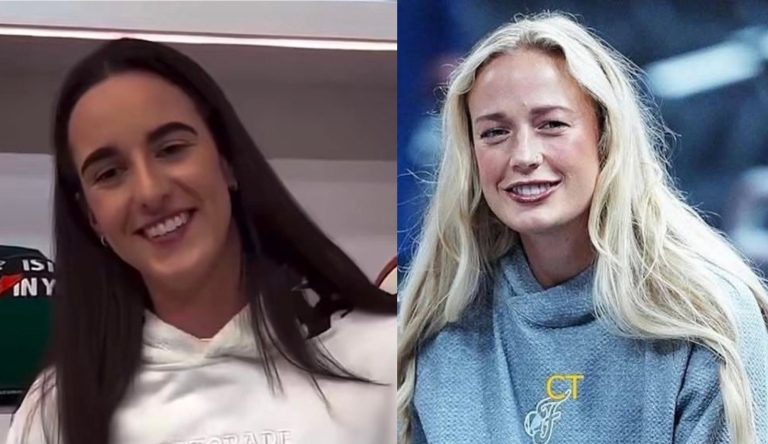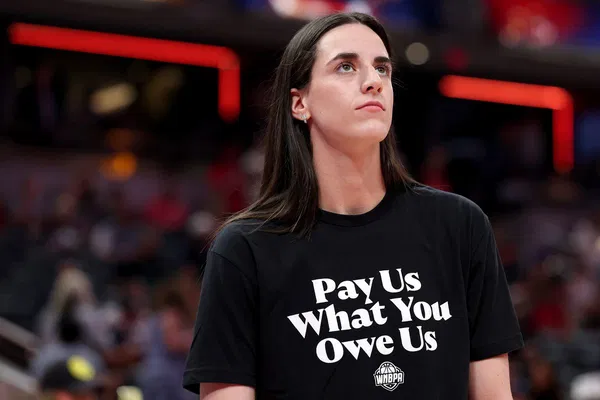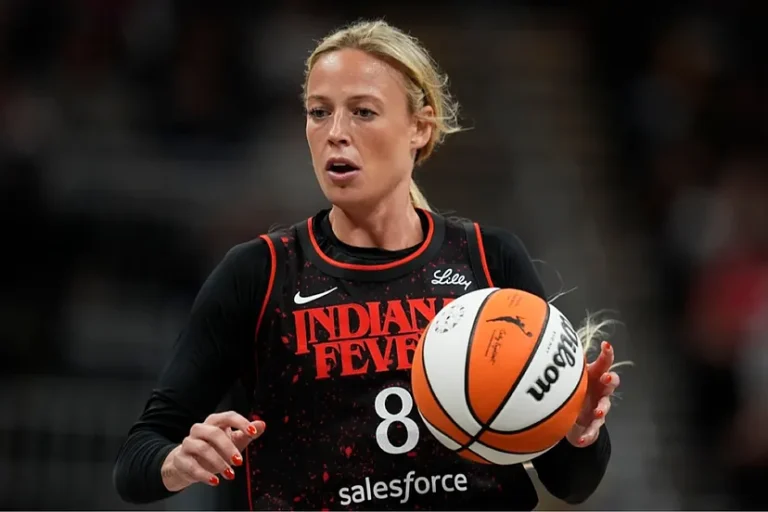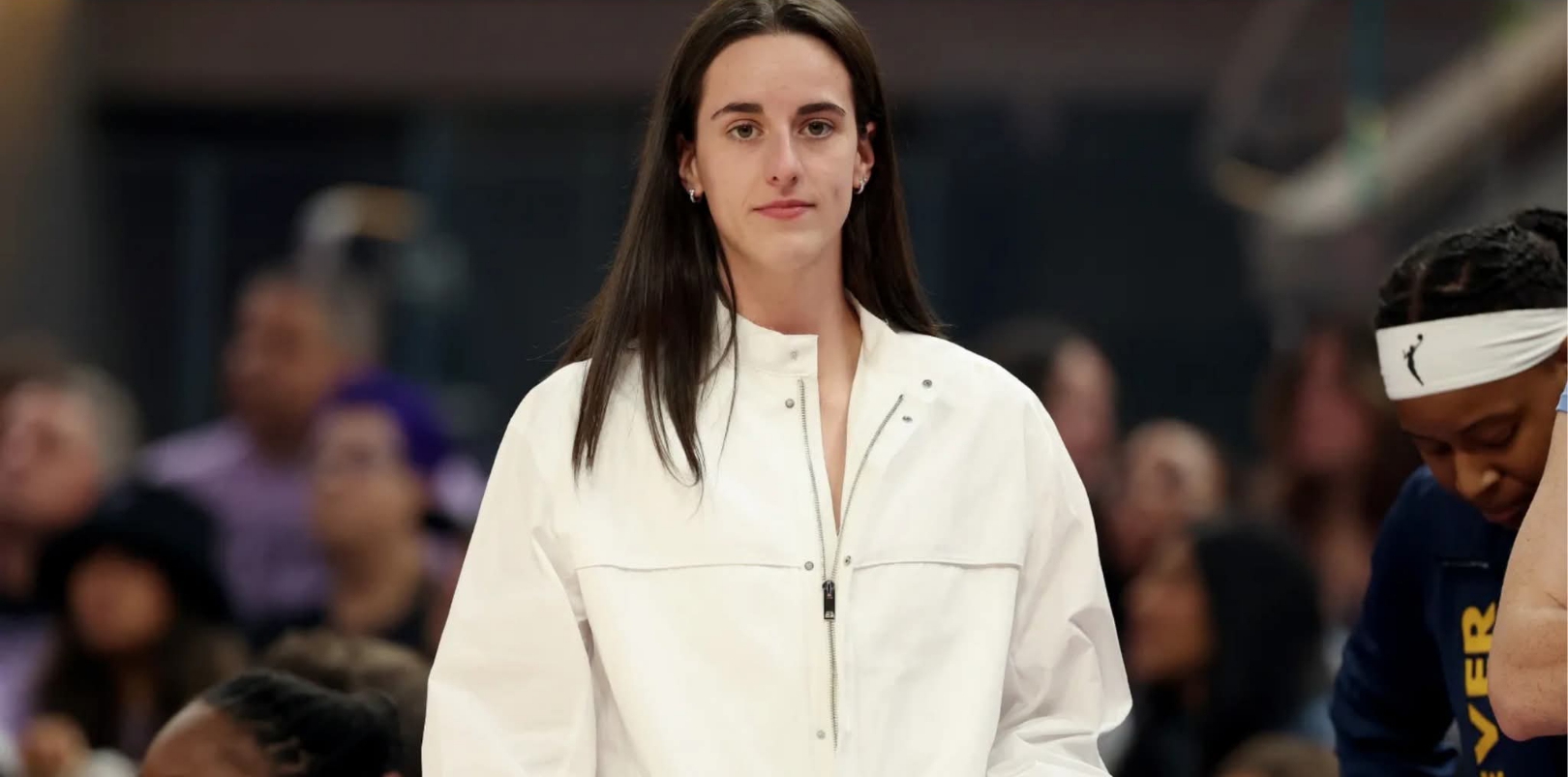
After DeMita floated a Klutch Sports linked idea as a possible solution to ongoing WNBA collective bargaining uncertainty, fans of Clark and the league responded with sharp criticism and skepticism. The debate reflects growing tension around how outside voices influence conversations about player contracts and league structure. It also highlights how deeply invested fans have become in protecting the integrity of the WNBA’s labor negotiations.
Main Content Body
The context behind the backlash begins with ongoing uncertainty surrounding the WNBA’s collective bargaining agreement and how future player compensation could evolve. Rachel DeMita, a media personality with ties to basketball culture and Klutch Sports narratives, suggested that high profile representation and crossover partnerships could help resolve some of the league’s challenges. While the idea was framed as innovative, many fans interpreted it as an attempt to import NBA style agency influence into a league with different financial realities. For Caitlin Clark supporters, this raised concerns about whether star driven branding would overshadow broader player needs.
Fan reactions gained traction quickly because Clark represents more than just on court excellence. She has become a symbol of women’s basketball’s mainstream visibility and growth in national coverage. Supporters argued that the WNBA’s progress depends on league wide stability rather than experimental fixes tied to celebrity agencies. In the Caitlin Clark fan reaction analysis on Rachel DeMita WNBA CBA, a common theme was distrust of solutions that appear disconnected from player unions and collective decision making. Many felt that DeMita’s suggestion underestimated the complexity of labor negotiations and the importance of long term structural reform.
Another layer to the criticism came from fears of unequal power dynamics. Fans worried that aligning solutions with a brand like Klutch Sports could create preferential treatment for a small group of stars instead of benefiting the full roster of players across teams. This concern reflects a broader cultural conversation in sports where agency influence is often seen as both a business opportunity and a potential disruption. The reaction showed that WNBA audiences are increasingly educated about labor issues and do not simply accept media driven proposals at face value. Instead, they expect transparency and collaboration from league leadership and player representatives.
Media impact also played a role in amplifying the situation. Because DeMita’s comments circulated rapidly through social platforms, they reached audiences far beyond traditional basketball insiders. This widened the scope of the discussion and turned it into a public debate rather than a behind the scenes policy question. The Caitlin Clark fan reaction analysis on Rachel DeMita WNBA CBA demonstrates how quickly narratives can shift when prominent personalities speak on sensitive league matters. In many ways, the backlash underscored that fan communities now act as active participants in shaping discourse rather than passive observers.
Looking ahead, the implications for the WNBA are significant. The league continues to balance commercial growth with the need to protect its players’ collective bargaining rights. Fan resistance to DeMita’s idea suggests that audiences prefer solutions rooted in union negotiations and league governance instead of external business fixes. It also signals that Caitlin Clark’s rise has raised expectations for thoughtful leadership and responsible media commentary. As the WNBA moves forward with its CBA discussions, public opinion will likely remain a powerful force influencing how proposals are perceived and debated.
The Caitlin Clark fan reaction analysis on Rachel DeMita WNBA CBA reveals a deeper struggle between innovation and tradition in women’s basketball. While new ideas can spark conversation, fans clearly value fairness, transparency, and respect for collective processes. This moment shows how influential Clark’s fan base has become in shaping league narratives and defending what they believe is best for the sport. As negotiations continue, the focus will remain on whether future solutions align with player interests and long term league stability.
Comment Prompt
What do you think this reaction says about how fans want the WNBA to handle its future CBA discussions?
About the Author