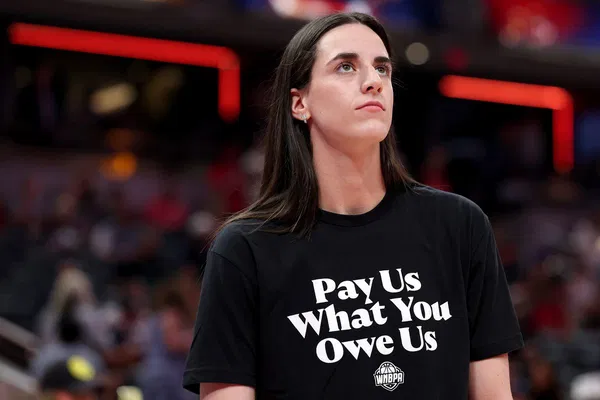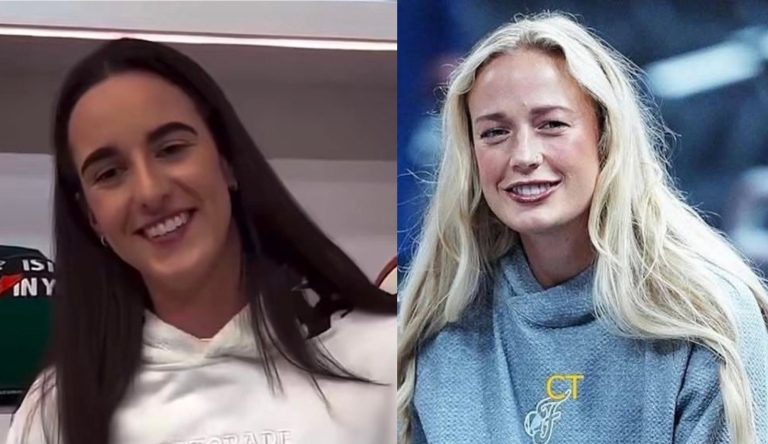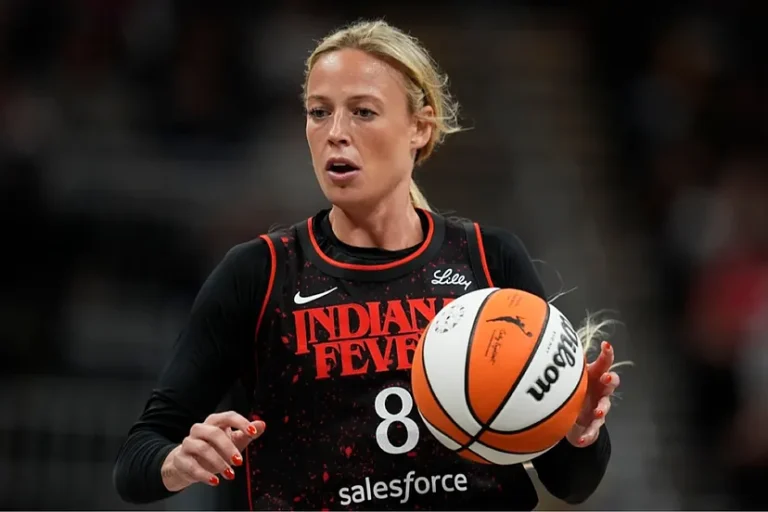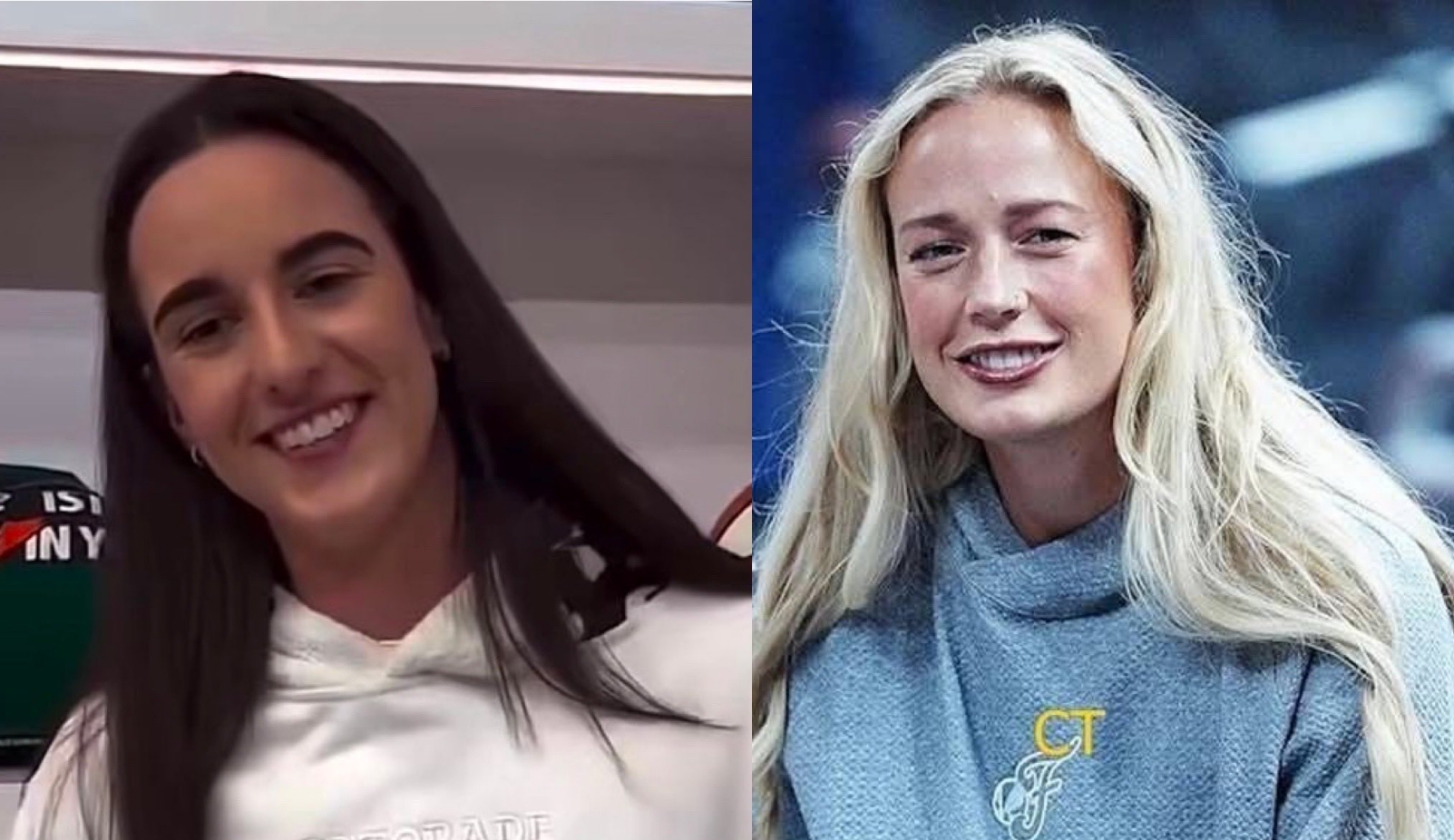
Caitlin Clark and Sophie Cunningham fan reaction has intensified after both stars stayed silent on the Abolish ICE discussion. Fans on social media quickly expressed disappointment, highlighting expectations that high-profile WNBA players use their platforms to speak on national issues. The discussion raises broader questions about cultural influence, mainstream visibility, and how professional athletes balance sports careers with public advocacy.
The fan reaction analysis shows clear divisions. Some supporters feel disappointed that Clark and Cunningham did not comment, arguing that WNBA players have historically taken strong stances on social and political issues. Others defend the players, noting that remaining neutral does not diminish their athletic contributions or off-court efforts. The situation demonstrates the growing coverage shift where fans increasingly expect athletes to influence social debates.
Historically, WNBA players have had a notable crossover influence on social movements. Stars such as Renee Montgomery and Sue Bird have leveraged media visibility to promote social justice initiatives. The current scenario shows that fan expectations are now heightened, partly due to Caitlin Clark and Sophie Cunningham’s mainstream visibility. Every post, story, and broadcast appearance can now spark conversation beyond basketball statistics.
The cultural influence of this debate is significant for both players and the league. Social media platforms have amplified fan reactions, and coverage shift across news and sports outlets ensures these conversations reach broader audiences. Analysts note that fans equate a lack of commentary with missed opportunity to leverage network partnerships and maintain public engagement, especially in moments of social debate.
Despite polarized reactions, it’s important to contextualize the situation. WNBA players have diverse approaches to activism and public commentary, and silence does not equate to lack of support for causes. Both Clark and Cunningham continue to grow in mainstream visibility and influence, attracting new audiences to the WNBA and shaping fan culture. Their actions on and off the court remain closely watched by fans and media alike.
Going forward, fans can expect continued discussion around the role of professional athletes in social debates. The WNBA’s platform gives stars the ability to shape cultural conversations, but player choice remains personal. How Clark and Cunningham navigate these expectations could influence both fan loyalty and league perception in coming seasons.
Comment Section Prompt
What do you think about WNBA stars speaking out on social issues, should every player feel obligated, or is staying neutral acceptable?
About the Author