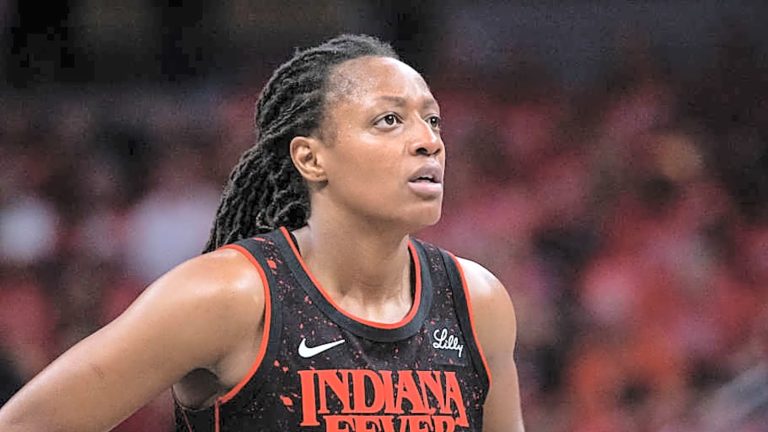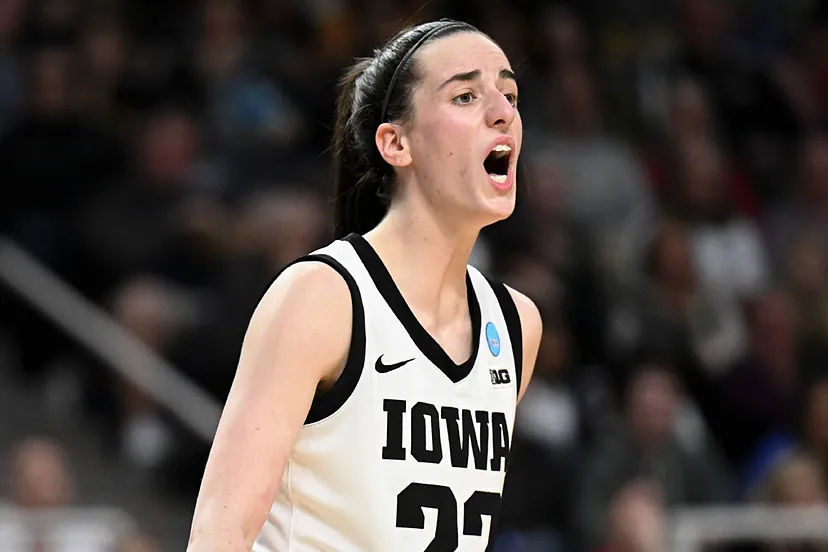
The latest wave of attention around Caitlin Clark heartfelt message Iowa Hawkeyes has reignited discussion about legacy, recognition, and emotional ties between the star guard and her former college program. The Indiana Fever standout recently made a public statement urging the University of Iowa to consider honoring former teammate Jada Gyamfi, and the message quickly spread across social platforms, drawing strong reactions from fans and analysts. This moment has once again placed Clark at the center of conversations about leadership and influence beyond the professional stage.
The Caitlin Clark heartfelt message Iowa Hawkeyes story began after Gyamfi announced her retirement from basketball, prompting Clark to publicly celebrate her impact while also suggesting that her former teammate deserves recognition in the program’s rafters. The emotional tone of her post has sparked wider debate about how universities choose to honor players and what legacy truly means in women’s college basketball.
The conversation surrounding Caitlin Clark heartfelt message Iowa Hawkeyes gained traction shortly after Jada Gyamfi shared her retirement reflections on social media. Gyamfi, who played a supporting but culturally important role during Iowa’s historic runs to consecutive national championship games in 2023 and 2024, received messages of appreciation from former teammates and fans. Clark’s response stood out due to its directness and emotional weight, as she publicly encouraged the Iowa program to consider honoring Gyamfi in a visible and lasting way.
In her message, Clark expressed pride in Gyamfi’s journey and suggested that her impact should be remembered alongside some of Iowa’s most celebrated figures. This is where the Caitlin Clark heartfelt message Iowa Hawkeyes narrative shifted from a simple congratulatory note to a broader cultural discussion. Fans began debating whether influence within a team must always be measured through statistics or whether leadership and presence also deserve formal recognition. The discussion has grown across social media platforms, reflecting a deeper fan reaction analysis of how college programs preserve legacy.
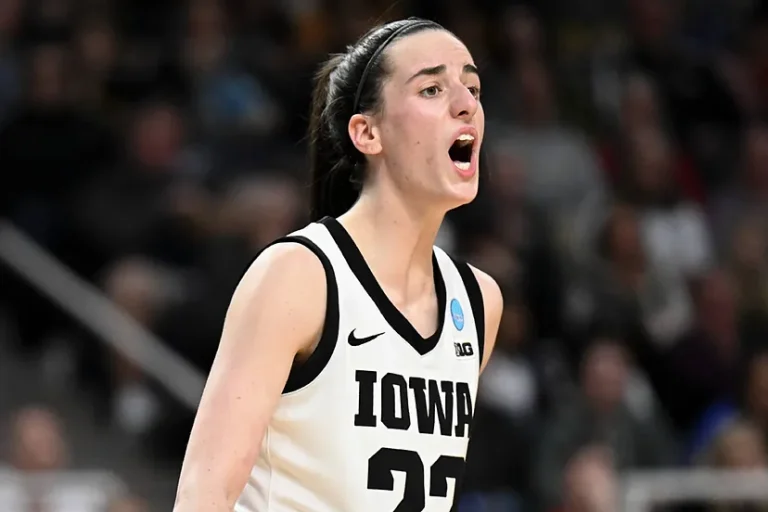
The timing of the message also adds importance, as Iowa has recently been in the spotlight for its handling of jersey retirements and program honors. Clark herself had her No. 22 jersey retired after one of the most dominant scoring careers in NCAA Division I history, making her voice especially influential within the Iowa community. This has added weight to the Caitlin Clark heartfelt message Iowa Hawkeyes discussion, as supporters interpret her comments as a continuation of her emotional connection to the program rather than a casual opinion.
From a media impact perspective, Clark’s statement demonstrates how modern athletes shape conversations beyond the court. The Caitlin Clark heartfelt message Iowa Hawkeyes moment has circulated widely not only among basketball fans but also in broader sports media discussions, highlighting her crossover influence between college basketball legacy and professional visibility in the WNBA. Analysts have noted that her ability to spark institutional conversation reflects a growing trend where athlete voices contribute to cultural influence in women basketball narratives.
Fan reactions have been mixed but highly engaged, with some agreeing that Gyamfi’s role deserves recognition while others argue that jersey retirement should remain reserved for statistically elite careers. This split illustrates the evolving expectations around recognition in modern college sports. Within the context of the Caitlin Clark heartfelt message Iowa Hawkeyes, the debate is less about Gyamfi alone and more about how programs define value, leadership, and contribution to team identity. The discussion has also revived interest in Iowa’s recent championship runs and the emotional bonds formed during that era.
Looking at the broader picture, Clark’s influence continues to extend beyond her professional career with the Indiana Fever. Her transition from college icon to WNBA star has not diminished her connection to Iowa, and moments like this reinforce her role as a bridge between both levels of basketball. The Caitlin Clark heartfelt message Iowa Hawkeyes situation highlights how athletes maintain cultural relevance in multiple spaces at once, shaping narratives that extend far beyond their current teams.
Comment Section Prompt
What do you think this means for the Iowa program going forward?
About the Author