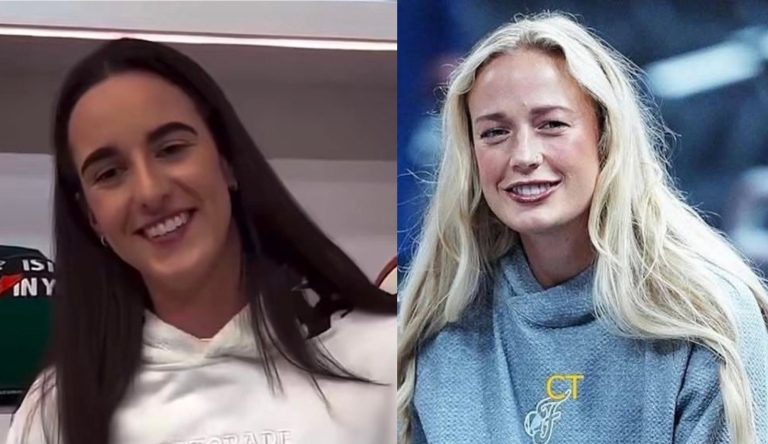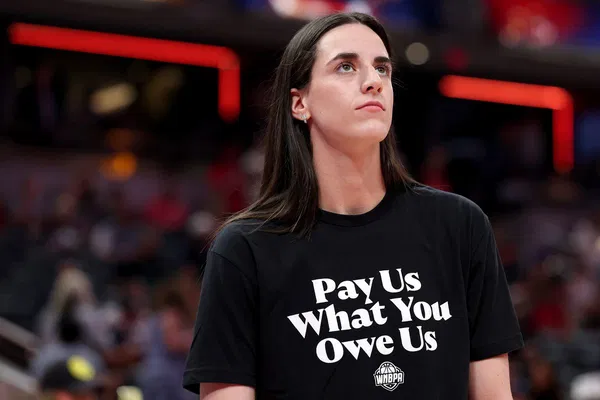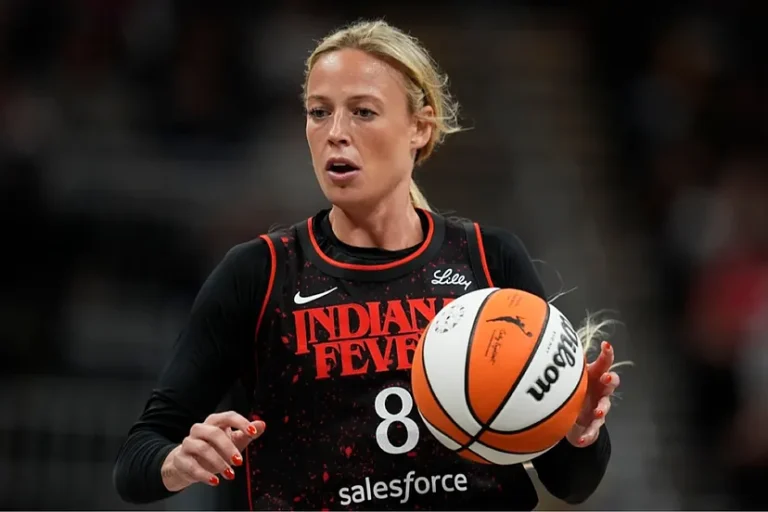
The WNBA All-Star Game is designed to spotlight the league’s brightest talents, yet this year’s build-up has been clouded by the revelation that many veteran players left rookie sensation Caitlin Clark off their ballots. Despite leading the Indiana Fever in scoring and shattering attendance records wherever she plays, Clark learned she would have fallen short of a starting spot—perhaps even a roster place—if player votes alone determined the team.
Fan support, however, tells a different story. Clark broke the league’s single-season fan-vote record and tops jersey-sales charts, but the WNBA’s weighted system (50 percent fans, 25 percent media, 25 percent players) exposed a stark divide: followers trended hashtags like #LetCaitlinPlay while pundits called the apparent freeze-out a “rookie reality check.”
Asked about the snub after practice, Clark responded with trademark composure, stressing that her priority is “showing up for the people who buy the tickets.” She acknowledged that respect in a pro locker room must be earned, adding that the challenge only fuels her competitive fire.
Commentators quickly filled the airwaves. ESPN’s Stephen A. Smith framed the vote as classic gatekeeping, while Hall-of-Famer Lisa Leslie argued that veterans simply want rookies to prove themselves nightly. Inside the league, teammates such as Aliyah Boston praised Clark’s impact, and stars like A’ja Wilson reminded fans that every player covets an All-Star nod.
Beneath the drama lies a larger truth: Clark’s arrival has accelerated the WNBA’s growth, drawing unprecedented eyeballs and revenue—and change rarely comes without friction. Whether viewed as a threat or a catalyst, she remains focused on her craft, her club, and the supporters who made her an All-Star captain in the first place. Snub or not, Clark’s story is only beginning.
About the Author