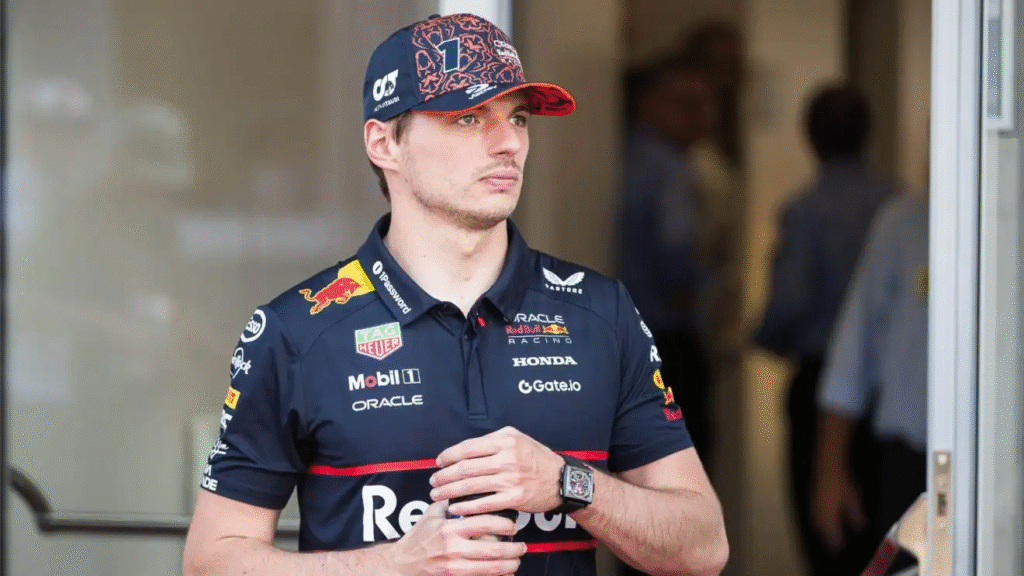
The Austrian Grand Prix has left the Formula 1 paddock buzzing with speculation and strategic recalibration, particularly surrounding Max Verstappen’s future. Former F1 driver Karun Chandhok identified a potential impediment in the ongoing discourse about a hypothetical move to Mercedes. While Team Principal Toto Wolff maintains that such a transfer remains improbable, Chandhok suggested the impending regulatory overhaul could catalyze upheaval in the driver market by 2027. He emphasized the complexity surrounding contract negotiations, especially regarding George Russell’s tenure, raising questions about Mercedes’ long-term vision and strategic alignment.
Meanwhile, a humorous yet telling exchange occurred during the race, as Sauber’s team principal Jonathan Wheatley disclosed he had playfully requested McLaren to refrain from lapping rookie Gabriel Bortoleto in the closing stages. Despite the plea, McLaren proceeded as planned, yet the episode highlighted the growing presence and resilience of the Brazilian newcomer. Wheatley’s light-hearted lament underscored the small margins that can define mid-field battles and the importance of intra-team rapport and communication in high-pressure environments.
Valtteri Bottas continues to navigate a transitional phase in his career, with tentative discussions emerging between him and the Alpine team regarding a potential return to the grid in 2026. Although initial conversations are reportedly in their infancy, Bottas remains an attractive prospect due to his experience and technical insight. Having previously been linked with Cadillac, his proactive engagement with teams underscores a persistent ambition to secure a competitive seat in the rapidly evolving landscape of F1’s future.
Christian Horner, never one to mince words, delivered a particularly colorful analogy when describing McLaren’s current competitive edge. Highlighting Oscar Piastri’s ability to closely trail teammate Lando Norris without compromising tyre performance, Horner praised the Woking-based team’s ability to maintain equilibrium under race conditions. His vivid language—comparing the aerodynamic proximity to “making love to his exhaust pipe”—served to underline McLaren’s adeptness at tyre conservation and balance, a critical advantage under the current regulations.
Finally, looking ahead to 2026, Formula 1 has confirmed a more expansive pre-season testing program to accommodate the sweeping changes in technical regulations. With 11 total days of testing spread across three separate sessions, including a private outing in Barcelona and two official tests in Bahrain, teams will have ample opportunity to fine-tune their radically redesigned machinery. This extensive preparation phase is indicative of the sport’s proactive approach to ensuring a seamless transition into its next regulatory era, where innovation and adaptability will define early success.
About the Author