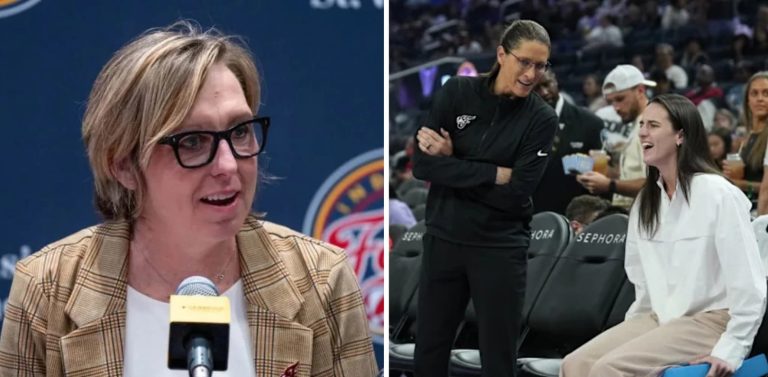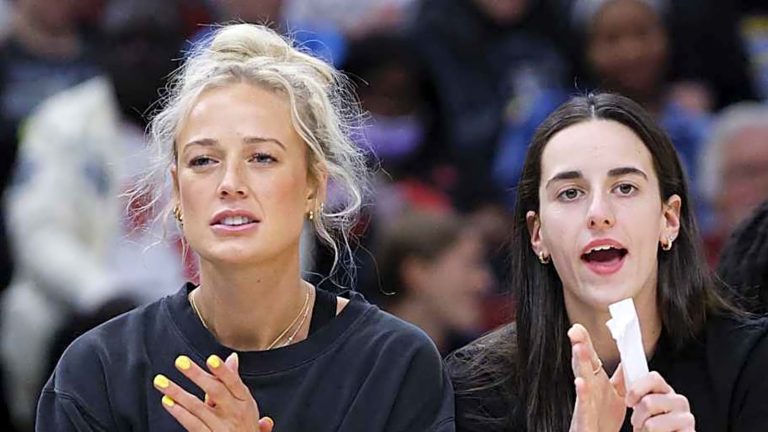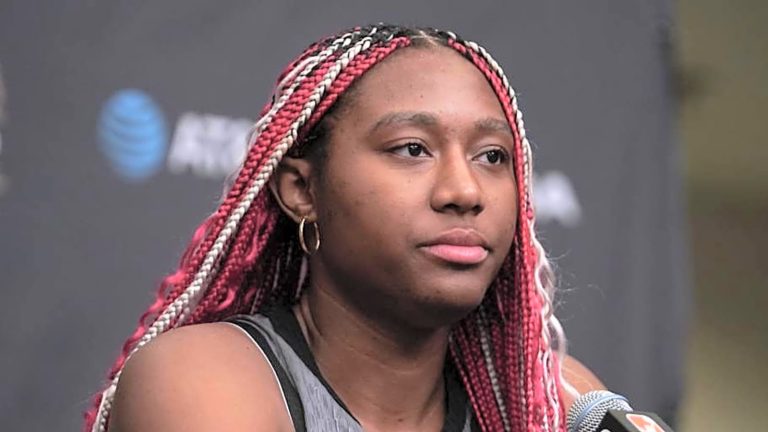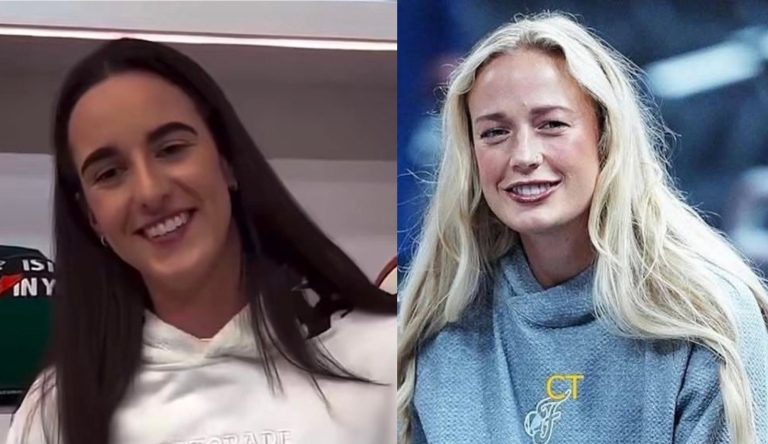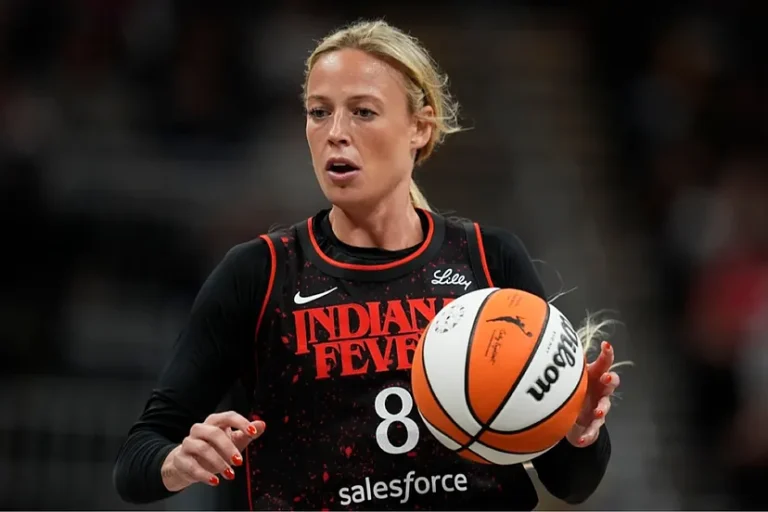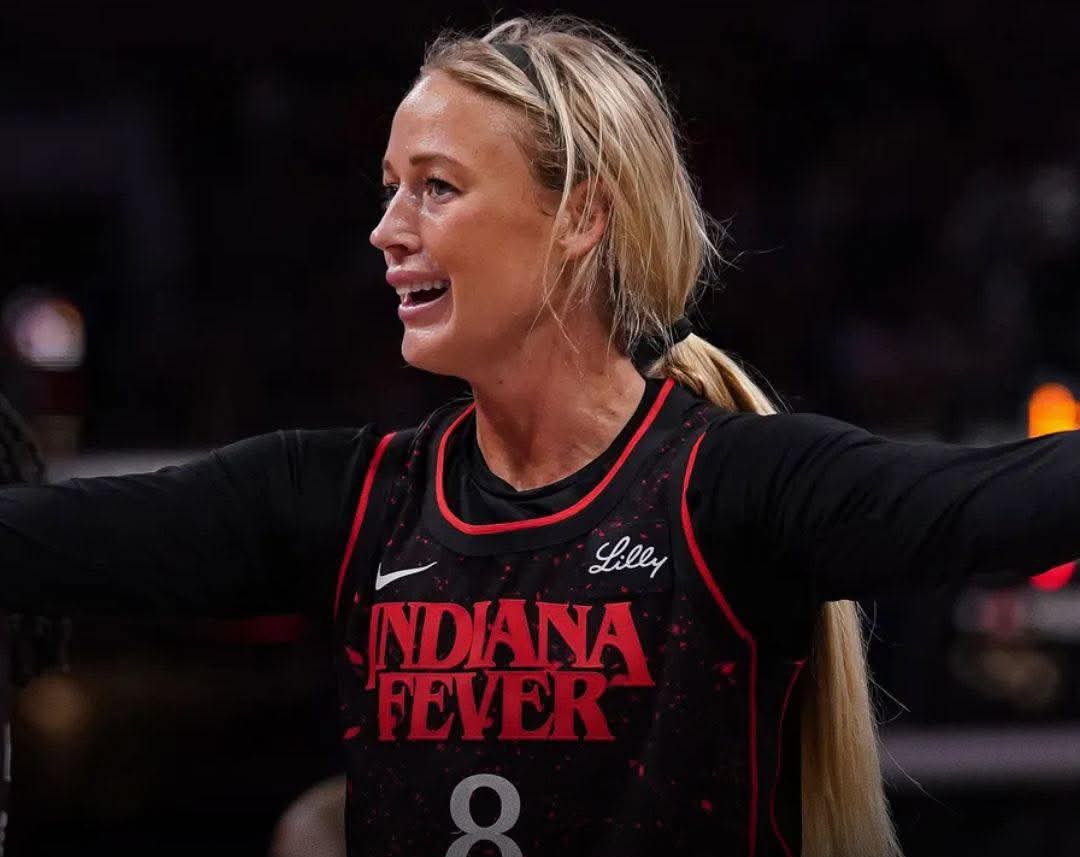
When Sophie Cunningham said she wouldn’t use the Pride-themed basketball even if it made her more famous or landed her bigger sponsorships, the sports world instantly exploded. What started as a simple equipment choice has now transformed into one of the most intense debates the WNBA has seen this year. Fans are choosing sides, the internet is buzzing, and the conversation is now bigger than basketball.
Sophie Cunningham’s comments came at a moment when the league is making visible efforts to highlight inclusion and support for the LGBTQ community. The Pride-themed basketball was created as a symbol of unity, celebration, and visibility. Yet Cunningham stood firm on her decision not to use it, insisting that her values matter more than public approval or commercial gain. That clarity has drawn both admiration and criticism from across the WNBA fan base.
Supporters applaud her for being authentic and refusing to compromise her beliefs for attention or sponsorships. To them, she represents a rare voice in sports—an athlete willing to risk public perception to stay true to herself. They argue that every player should have the right to choose without being forced into any symbolic gesture, even one connected to inclusion.
But others see her choice as disappointing and out of step with the league’s progress. Many fans feel the Pride ball is more than a design choice and that refusing it sends an unintended message during a time when visibility matters. Social media has been flooded with heated conversations, with some calling for understanding while others believe athletes have a responsibility to support marginalized communities.
What is undeniable is the impact her statement has had. Overnight, Cunningham became the center of national conversation, with sports media outlets amplifying the story and fans debating what values should look like in modern sports. Even those who had no opinion about WNBA culture before are now weighing in.
As the situation continues to unfold, one thing is clear: Sophie Cunningham’s stance has pushed the conversation beyond basketball. It has opened up questions about personal conviction, community expectations, and what representation should look like in professional sports today. Whether people agree or disagree, everyone seems to be talking about the same thing, where do we draw the line between personal beliefs and public symbolism in sports?
Comment Section Prompt
What’s your take on Sophie Cunningham’s decision? Do you support her stance or disagree with it? Share your thoughts in the comments below.
About the Author