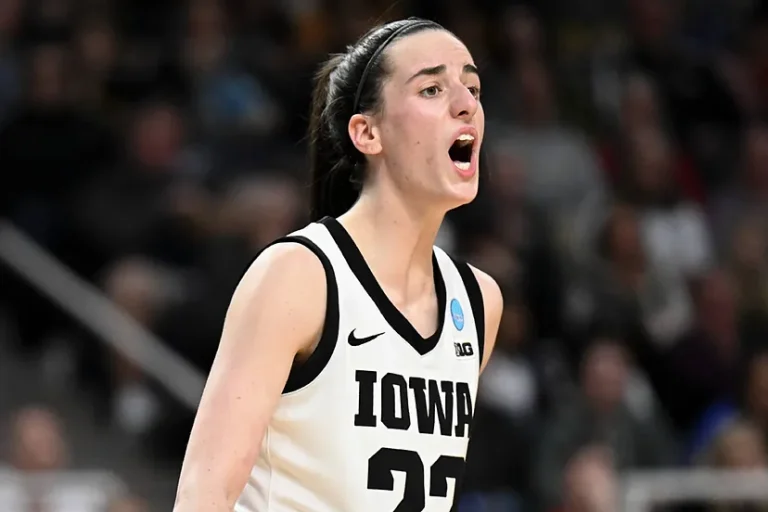
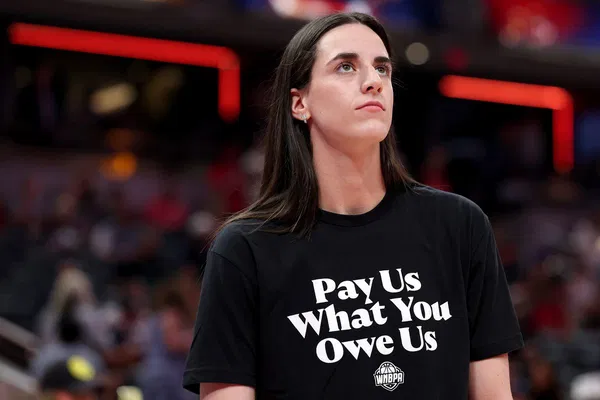
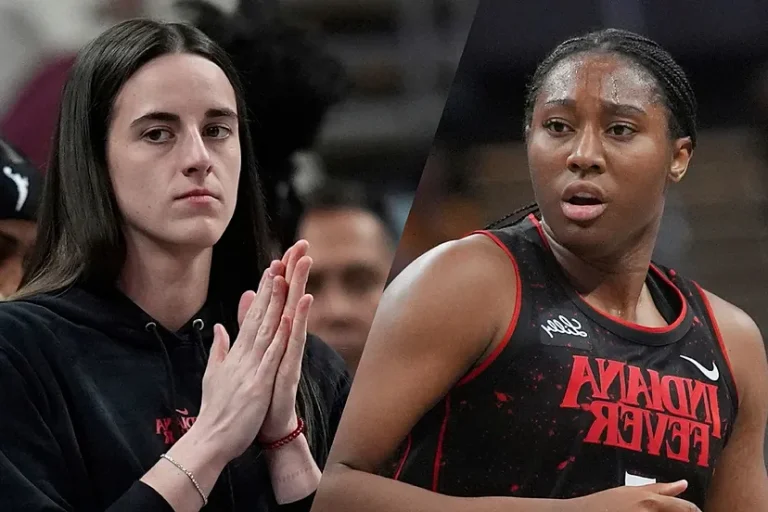
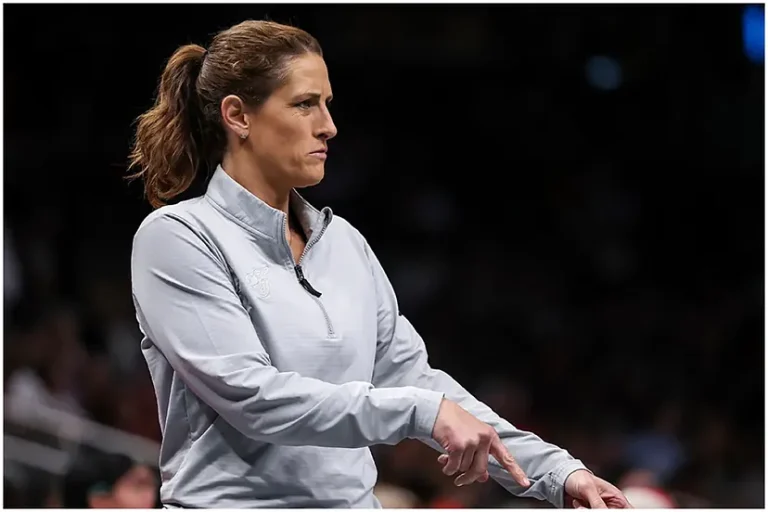
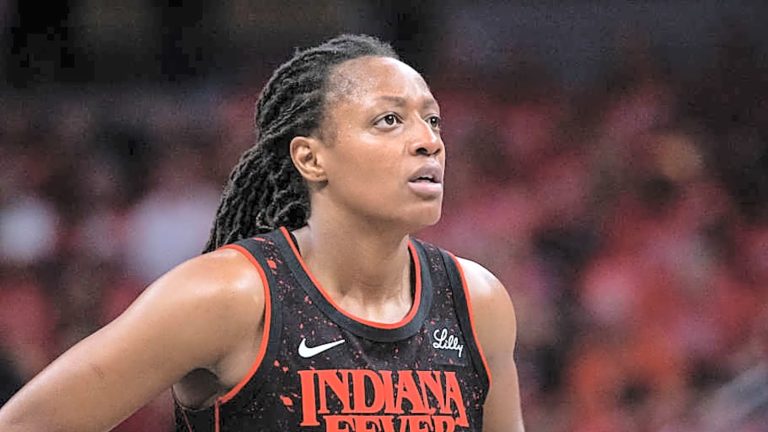
The Aliyah Boston Team USA story began at a national team training camp that brought together some of the best young talents in women’s basketball. Boston attended the camp alongside Indiana Fever teammate Caitlin Clark and head coach Stephanie White, surrounded by elite players under the age of 25. Among them was UCLA star Lauren Betts, widely projected as a top pick in the 2026 WNBA Draft. While the camp focused on competition and evaluation, it became a space for connection and mentorship as well.
Lauren Betts later shared that one of the most meaningful moments of the entire camp came during a simple conversation with Boston. Betts described Boston as one of her idols and explained how surreal it felt to receive personal advice from a player she had watched for years. Boston encouraged her to trust herself, to stay aggressive, and to keep shooting even when things were not going perfectly. The message was direct and supportive, reflecting the mindset of a player who understands both pressure and growth at the highest level.
This Aliyah Boston Team USA story gained further depth when Boston herself spoke positively about Betts during a televised broadcast days later. Her public praise showed that the respect between the two players was mutual. Boston’s willingness to acknowledge Betts’ progress reinforced the idea that leadership does not stop at private conversations. It extends into how established players use their platform to lift others and shape the culture of the sport.
UCLA head coach Cori Close later added important context to the Aliyah Boston Team USA story by sharing her perspective on the interaction. Close revealed that she had coached Boston previously with USA Basketball and described her as someone with an incredible heart, both as a player and as a person. When Close asked Betts what her highlight from the camp was, she expected an answer related to basketball performance. Instead, Betts pointed to her lunch conversation with Boston as the most impactful moment, underscoring how deeply the interaction resonated.
Close explained that Boston could have easily focused only on her own role at the camp, but instead chose to invest time in a younger player. This choice, according to Close, demonstrated the true power of leadership in sports. The Aliyah Boston Team USA story became even more meaningful when Close connected it to Betts’ own actions. After a college game, a young fan approached Betts to thank her for being open about her mental health journey. Betts was visibly emotional, recognizing that she was now passing on the support she had once received.
For Indiana Fever fans, the Aliyah Boston Team USA story reinforces what they already see during the WNBA season. Boston leads through consistency, humility, and accountability. She represents the Fever not just as a cornerstone player but as a role model who understands the responsibility that comes with visibility. Her influence at a national team camp reflects positively on the organization and signals the type of culture she helps build wherever she goes.
Looking ahead, this Aliyah Boston Team USA story also offers insight into the future of women’s basketball. Players like Boston and Betts represent different stages of the same journey, connected through mentorship and shared experience. As Betts prepares for a potential WNBA future, the lessons she received from Boston may shape how she approaches leadership in her own career. These moments matter because they strengthen the foundation of the sport beyond individual success.
Comment Section Prompt
What do you think this story says about Aliyah Boston’s role in shaping the future of women’s basketball?
About the Author