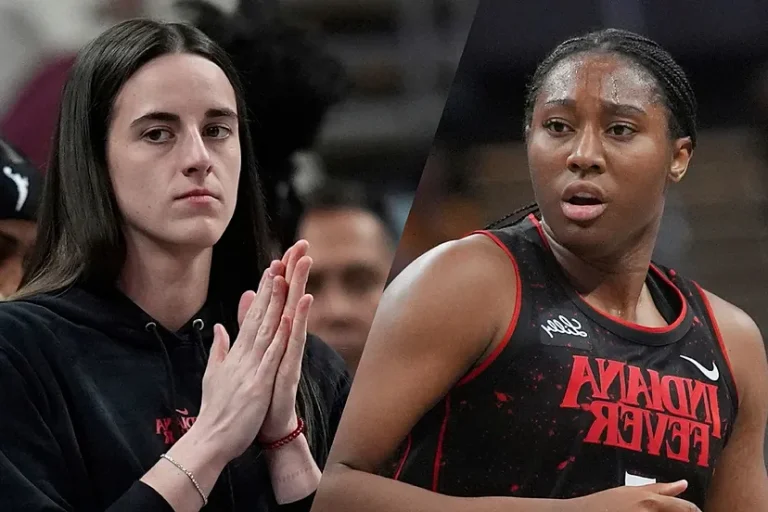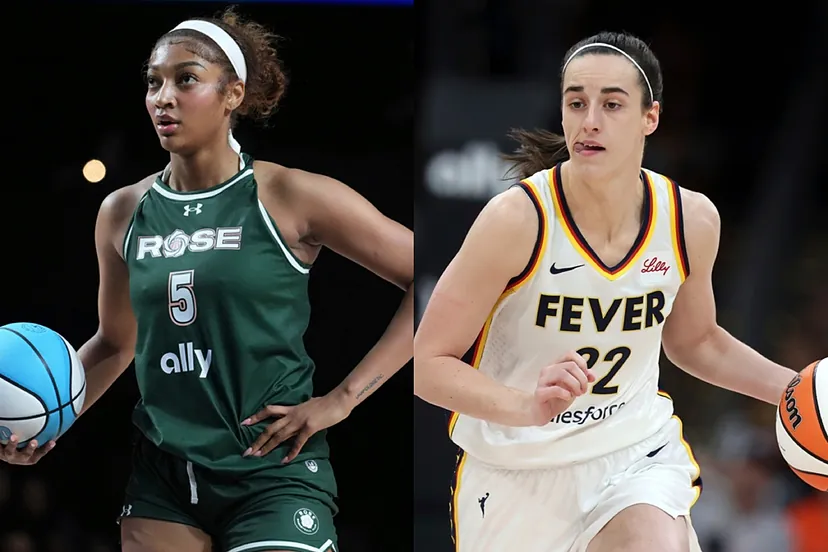
The Angel Reese Caitlin Clark rivalry became one of the most talked about moments in modern women’s basketball following the 2023 national championship game between LSU and Iowa. What started as a competitive exchange on the court quickly grew into a national discussion about respect, race, emotion, and how female athletes are judged in high pressure moments. The game drew nearly 10 million viewers on average, making it the most watched women’s college basketball game in history. Beyond the final score, the reactions to Reese and Clark revealed how deeply the sport had entered mainstream culture. This rivalry did not just represent two star players. It marked a turning point in how women’s basketball is viewed and discussed worldwide.
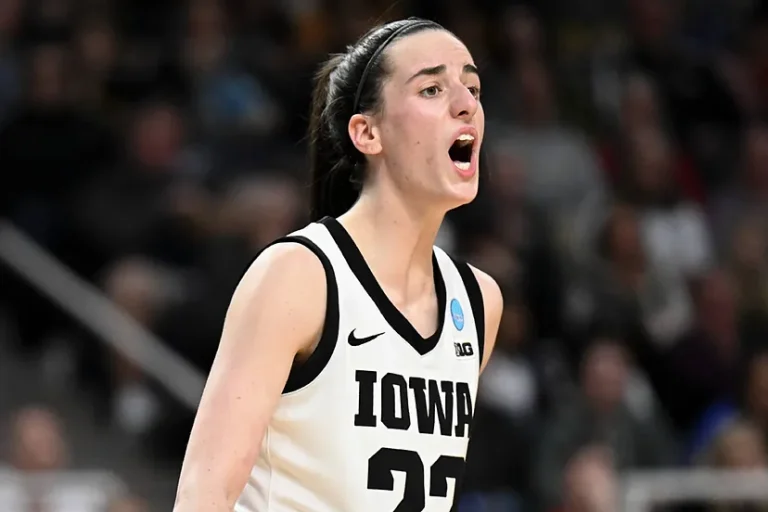
The 2023 championship game placed two of the sport’s brightest stars on the biggest stage. Angel Reese dominated in the paint for LSU, while Caitlin Clark entered the game as the nation’s most celebrated shooter and playmaker. LSU secured its first national title with a convincing win over Iowa, but the story extended far beyond the scoreboard. Reese’s “too small” gesture and later the “You Can’t See Me” celebration directed toward Clark became the defining image of the night. These moments were emotional expressions of competition that are common in sports, yet they sparked a debate that spread far beyond basketball circles.
What made the Angel Reese Caitlin Clark rivalry so powerful was the contrast in public reaction. Clark had used the same celebration earlier in the tournament and was praised for her confidence and swagger. Reese, however, faced harsh criticism from some fans and commentators who labeled her behavior as disrespectful. This difference in response highlighted long standing double standards in how female athletes are perceived, particularly when they show emotion or assertiveness. Reese later explained that she was defending her team and embracing her identity as a competitive player. The controversy forced many viewers to confront uncomfortable questions about fairness and perception in sports culture.
Caitlin Clark’s response added maturity and perspective to the conversation. She stated that she did not even notice Reese’s gesture during the game and defended her right to celebrate. Clark emphasized that Reese had earned her moment as the Most Outstanding Player of the Final Four. This public show of respect shifted the narrative from conflict to mutual recognition. Instead of fueling division, Clark’s comments reinforced the idea that rivalry does not require hostility. It can exist alongside admiration and professionalism. Their interaction became an example of how athletes can lead cultural change simply through honest dialogue.
The impact of the Angel Reese Caitlin Clark rivalry went beyond social media debates. Television ratings proved that fans were deeply invested in women’s basketball at an unprecedented level. The game averaged 9.9 million viewers and peaked at over 12 million, outperforming many professional sporting events. This surge in attention led to increased sponsorship opportunities, greater media coverage, and stronger interest in the WNBA Draft. Young athletes saw two confident women competing at the highest level and realized that women’s basketball could command the same spotlight as men’s sports. The rivalry helped redefine what a marquee sports moment could look like.
Today, the effects of that championship night are still visible. Both Reese and Clark transitioned into the professional ranks with massive followings and expectations. Their names continue to drive conversations about the future of women’s basketball, television ratings, and fan engagement. The rivalry is now remembered less for controversy and more for how it forced the sports world to pay attention. It showed that women’s basketball could generate drama, passion, and cultural relevance on a national scale. This moment did not divide the sport. It expanded it.
The Angel Reese Caitlin Clark rivalry represents a historic shift in how women’s basketball is seen and respected. What began as a celebration during a championship game became a catalyst for conversations about competition, equality, and visibility. The record breaking audience proved that fans were ready to invest emotionally and culturally in women’s basketball. As both players continue their careers, that night in April 2023 will remain a symbol of the sport’s growth and its arrival into mainstream sports dialogue. It was not just a rivalry. It was a declaration that women’s basketball belongs at the center of the sports world.
Comment Prompt
Do you think the Angel Reese Caitlin Clark rivalry helped change how fans and media view women’s basketball today?
About the Author