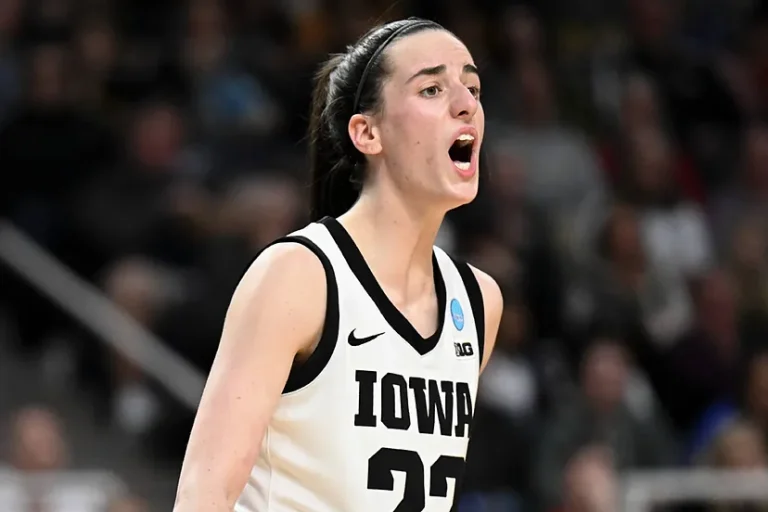
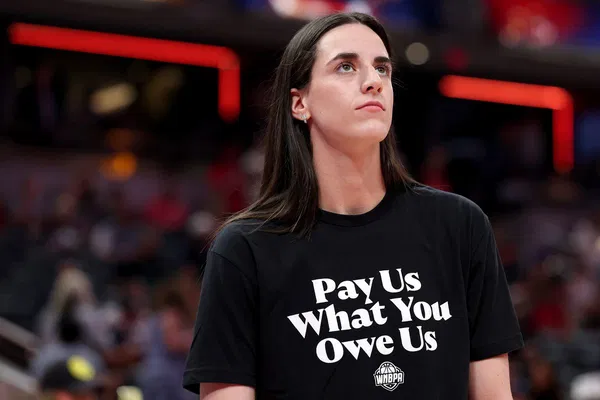
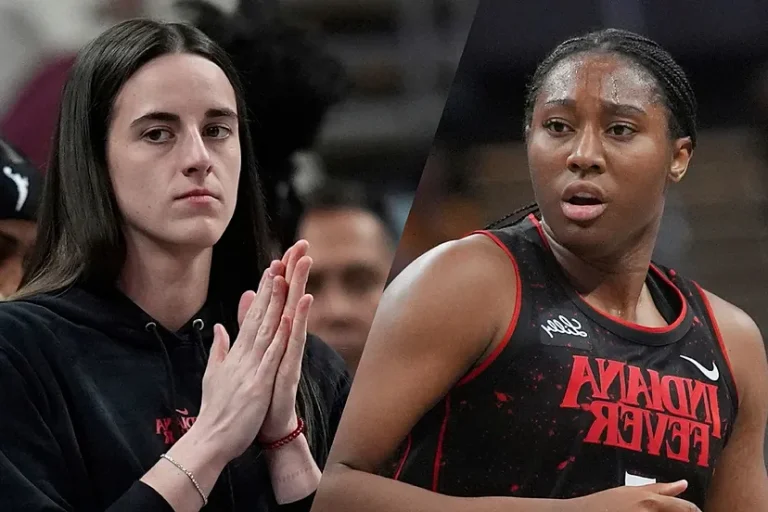
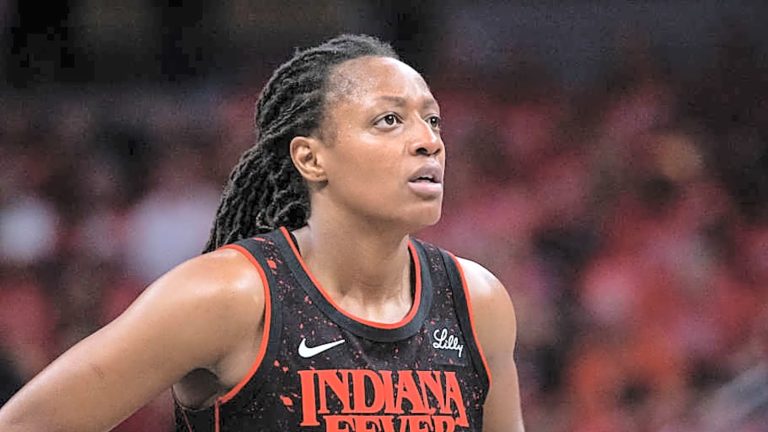
Angel Reese needed only a calm, twelve-word reply at her post-game press conference to chill the room and electrify the internet: “I’m tired of being booed like I don’t belong here. I know what it’s really about.” The Chicago Sky rookie never raised her voice, yet her frustration over relentless jeers instantly reshaped the night’s narrative, turning a routine media scrum into a flashpoint that fans, pundits, and rivals could not ignore.
That tension had been simmering since tickets for the Sky’s meeting with the Indiana Fever vanished in just 36 hours—proof that the college rivalry between Reese and Caitlin Clark had simply migrated to the pros. Midway through the second quarter, Clark intercepted a pass and delivered a textbook hip-check that sent Reese sprawling. The arena roared its approval, the refs called a common foul, and Reese merely stared back before walking away, yet that fleeting moment spread online like wildfire and set the stage for what came next.
From warm-ups to the final buzzer, every time Reese touched the ball a chorus of boos rained down. Asked afterward how she felt, she replied, “I’m used to playing the villain. Tonight didn’t feel like basketball. Tonight felt like something else… They don’t want us to win. They don’t want us to play.” Within minutes a clipped video labeled “They Can’t Play” rocketed across X, gathering millions of views and morphing the remark into both rallying cry and lightning rod overnight.
Mainstream shows dissected the quote, while social feeds split into warring camps: some insisted the crowd’s hostility revealed deeper biases; others argued booing is part of home-court advantage. Fever players tiptoed around the controversy, likes and unlikes immortalized in screenshots, while marketing analysts noted Reese’s social engagement soaring even as favorability polls dipped. The debate quickly expanded beyond a single rivalry to questions about how women athletes—especially Black women—are permitted to show emotion without penalty.
By week’s end the WNBA promised an internal review of crowd behavior, but offered few details, leaving players, fans, and league officials to wonder who the league should protect first: its stars, its paying spectators, or the integrity of the game itself. Reese, meanwhile, stayed late after practice drilling jumpers, then posted a stark Instagram story: “Y’all want me quiet. I’m just getting started.” In an era where visibility is currency, her microphone may prove as powerful as any highlight reel—forcing the sport to confront what happens when its loudest storyline is a challenge rather than a celebration.
About the Author