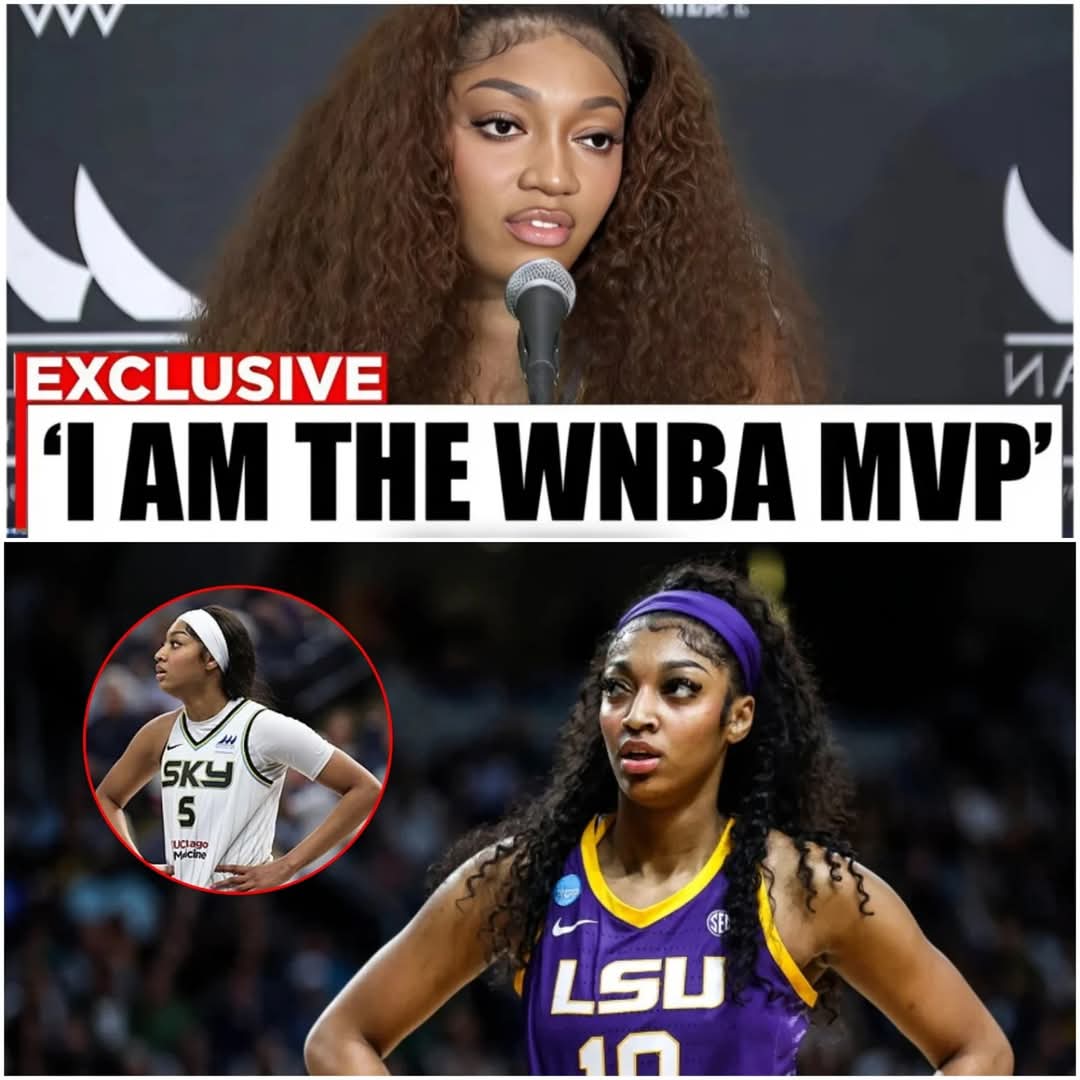
It felt like a thunderbolt out of nowhere. Angel Reese—once celebrated as one of the brightest young stars in the WNBA—woke up to a tidal wave of criticism when fan rankings placed her at the very bottom of the league’s performance charts. What began as grumbling on social media quickly swelled into a chorus of disapproval, leaving many wondering how a player formerly touted as a future cornerstone could fall so far in public opinion.
The sting didn’t end with a harsh ranking. When the league unveiled its 2025 All-Star Game ballot, Reese’s name was nowhere to be found. Not buried, not misspelled—simply erased. The ballot’s conspicuous omission sent shockwaves through the basketball community, transforming whispers of discontent into a full-blown controversy.
Supporters rallied to her defense, accusing league officials of orchestrating a quiet snub and framing it as an administrative oversight. #JusticeForReese lit up timelines, with fans arguing she was denied a fair chance to silence critics on the court. Meanwhile, detractors seized the moment to declare that her absence was “the reality check she needed,” insisting that recent performances justified the exclusion.
Digital debates turned fierce overnight. Headlines dissected her shooting percentages and defensive lapses, while pundits questioned whether off-court distractions or locker-room dynamics played a role. Every statistic, quote, and highlight—or lowlight—was scrutinized in real time, deepening the divide between those who championed her potential and those convinced her star power had dimmed.
Then Reese finally addressed the uproar. Rather than lash out, she acknowledged the harsh feedback, vowed to let her play do the talking, and hinted that her journey was far from over. Her measured response reframed the narrative from public shaming to personal redemption, setting the stage for what could be one of the season’s most compelling comeback stories.
About the Author