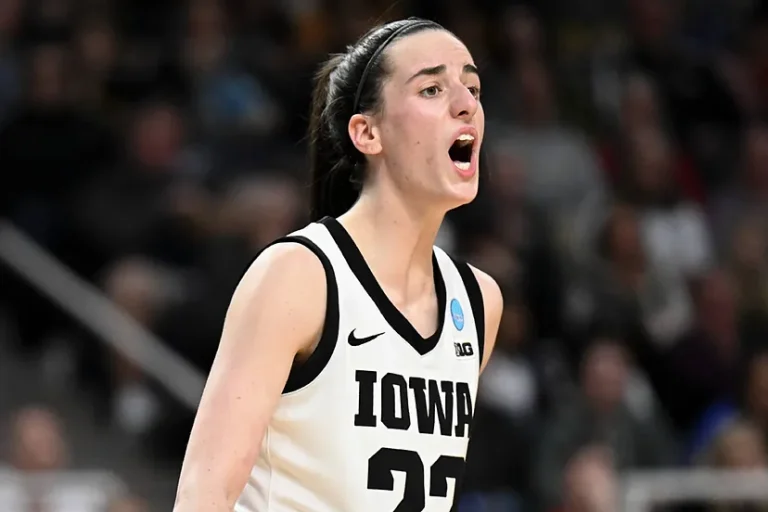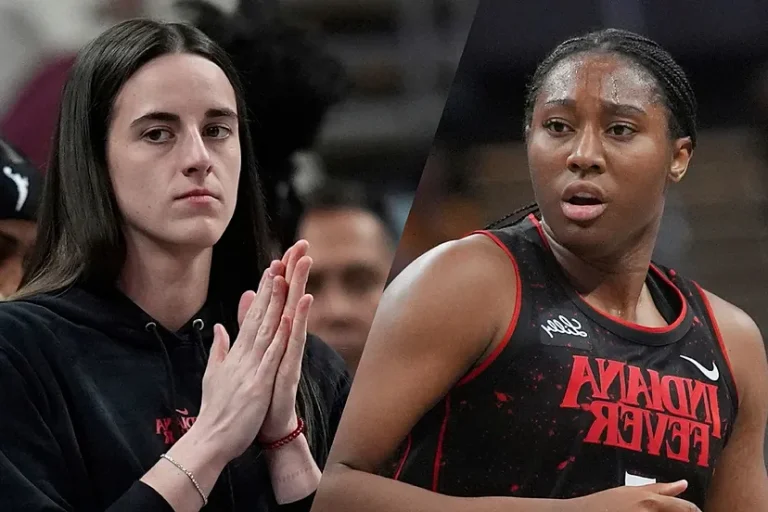
The Caitlin Clark broadcast debut marks a significant moment in her career beyond playing basketball. Known primarily for her scoring ability and impact with the Indiana Fever, Clark has now stepped into the media spotlight through NBC coverage. This move highlights how her influence continues to expand across the sport. Fans are not only watching her compete but also listening to her perspective on the game. Her appearance shows that Clark’s role in basketball is evolving into something broader than just performance on the court.
Main Content Body
Caitlin Clark’s rise to national recognition began with her record breaking college career and continued into her transition to the WNBA with the Indiana Fever. Her popularity has brought increased attention to women’s basketball, with television ratings and social engagement rising whenever she plays. NBC’s decision to give her a voice reflects this growing demand for player driven insight. Networks are increasingly interested in athletes who can connect with viewers and explain the game from a firsthand perspective. Clark’s communication style, which blends confidence and relatability, makes her a natural fit for this role.
The moment became more notable because Clark had previously joked about talking too much, yet NBC placed her directly behind the microphone. This contrast made the appearance feel genuine rather than manufactured. Fans heard her speak openly about basketball concepts, pace of play, and what she notices as a player. Instead of scripted commentary, the broadcast felt conversational and informative. That authenticity is what keeps viewers engaged and helps them understand the sport on a deeper level.
For the Indiana Fever, this development also has important implications. Clark’s visibility in national media strengthens the team’s brand and positions the Fever as a central part of the WNBA’s future narrative. When one player becomes a media presence, it naturally draws attention to her teammates and organization. This can lead to more televised games, stronger fan loyalty, and greater sponsorship interest. It also reinforces the idea that the Fever are not just building a roster but shaping the league’s next generation of leaders.
From a league perspective, the Caitlin Clark broadcast debut signals a shift in how WNBA stars are presented to the public. Traditionally, broadcasters relied heavily on former coaches or retired players to analyze games. Now active players are becoming part of that conversation while still competing. This creates a stronger bridge between fans and athletes. Viewers gain insight into strategies, challenges, and emotions directly from someone living the experience. Over time, this approach can help normalize women athletes as authoritative voices in sports media.
Fans can also expect long term effects from Clark’s move into broadcasting. Her presence may encourage other young stars to take on similar roles, expanding the range of perspectives available during coverage. It can also inspire younger players who see that careers in basketball can include more than just playing. Media involvement offers another path to influence the sport and grow its audience. Clark’s example shows that personality and knowledge can be just as impactful as scoring points.
The Caitlin Clark broadcast debut represents more than a one time appearance on television. It reflects her growing role as both a player and a voice for women’s basketball. By stepping into the media space, she helps shape how fans understand and appreciate the game. This moment matters because it shows the WNBA’s future is being built around players who can lead on and off the court. As Clark continues her career with the Indiana Fever, her influence will likely extend further into how basketball is discussed and presented to the world.
Comment Prompt
What do you think Caitlin Clark’s move into broadcasting means for the future of the Indiana Fever and the WNBA?
About the Author