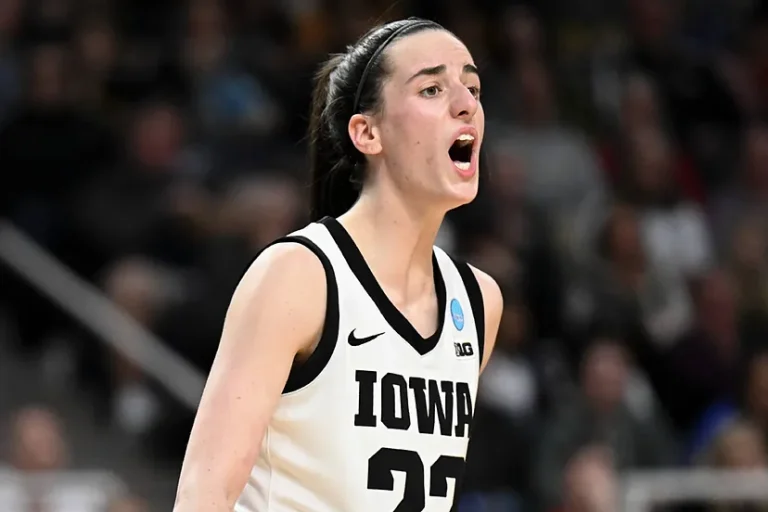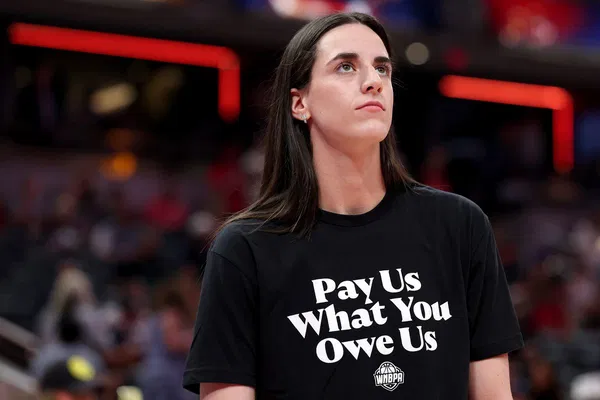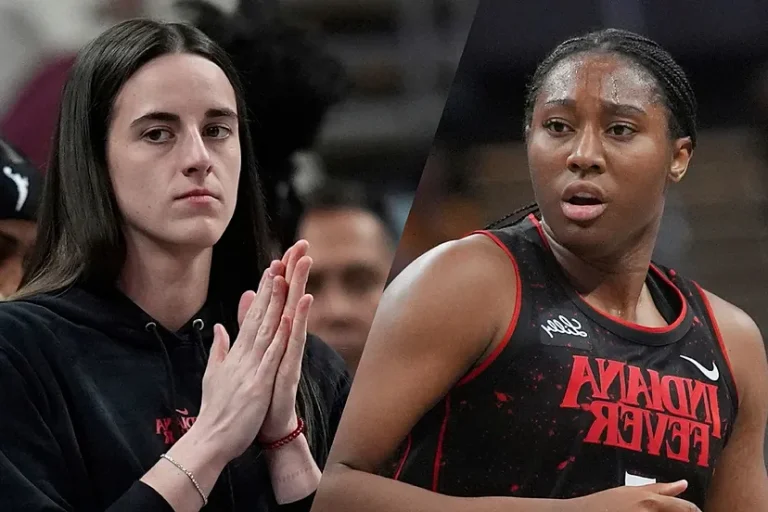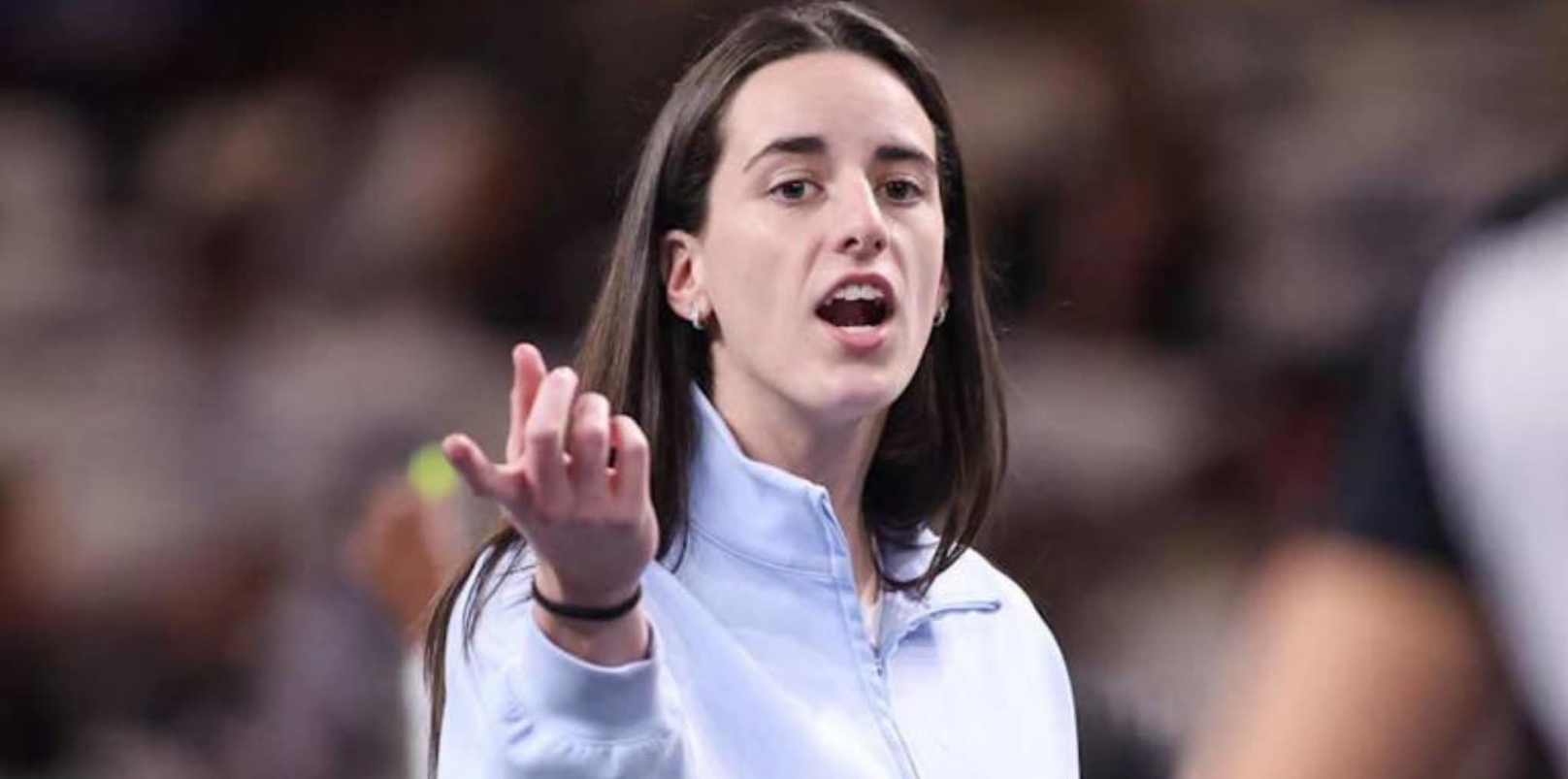
Caitlin Clark entered the WNBA with unprecedented attention, and her rookie season with the Indiana Fever quickly confirmed that the interest was justified. She has consistently drawn large television audiences, increased road attendance, and brought new casual viewers into the league. Because of that visibility, every major media decision involving Clark carries added weight. In this case, the Caitlin Clark ESPN controversy stems from a segment and related promotional framing that many fans felt was dismissive rather than analytical. Supporters argued that the tone focused more on criticism than context, especially when compared to how other young stars have been discussed during similar stretches of their careers. For fans who believe Clark has already transformed the league’s exposure, the decision felt unnecessary and poorly timed.
From ESPN’s perspective, critical analysis is part of sports coverage, and Clark herself has stated in the past that she understands scrutiny comes with the spotlight. However, the reaction shows that fans are not simply upset about criticism itself. Many feel the issue is consistency and framing. When a player drives historic engagement, viewers expect coverage that reflects her overall impact, not isolated moments presented without balance. The Caitlin Clark ESPN controversy has therefore become less about one segment and more about how narratives are shaped around women’s basketball stars. Fans are increasingly media literate and quick to compare coverage across networks and players, which amplifies backlash when they sense unfair treatment.
The broader implications go beyond Clark as an individual. The WNBA is at a pivotal point in its growth, and national media plays a major role in sustaining momentum. Whenever fans perceive negativity or disrespect toward one of the league’s biggest draws, it can feel like a missed opportunity to build trust with a rapidly expanding audience. The Caitlin Clark ESPN controversy highlights the tension between traditional sports debate formats and a league still fighting for consistent mainstream respect. Many fans want analysis that is firm but fair, critical but contextual, especially for players carrying the weight of increased expectations and visibility.
It is also important to note that Clark remains one of the most resilient and focused players in the league. On the court, she has continued to adjust to defensive pressure and physical play while expanding her all around game. Off the court, she has largely avoided engaging in media disputes, letting her performance speak for itself. This approach has only strengthened support among Fever fans and neutral viewers alike. The controversy has, in some ways, reinforced how central Clark has become to conversations about the league’s future, media responsibility, and player respect.
Looking ahead, fans will be watching closely to see whether ESPN adjusts its tone or offers more balanced follow up coverage. Media narratives do evolve, especially when audience feedback is strong and sustained. The Caitlin Clark ESPN controversy may ultimately serve as a learning moment for how emerging WNBA stars are covered in an era of heightened visibility and accountability. For the league, maintaining constructive relationships between players, networks, and fans will be essential as interest continues to grow and expectations rise.
Comment Prompt
Do you think this controversy will change how major networks cover Caitlin Clark and other WNBA stars going forward?
About the Author