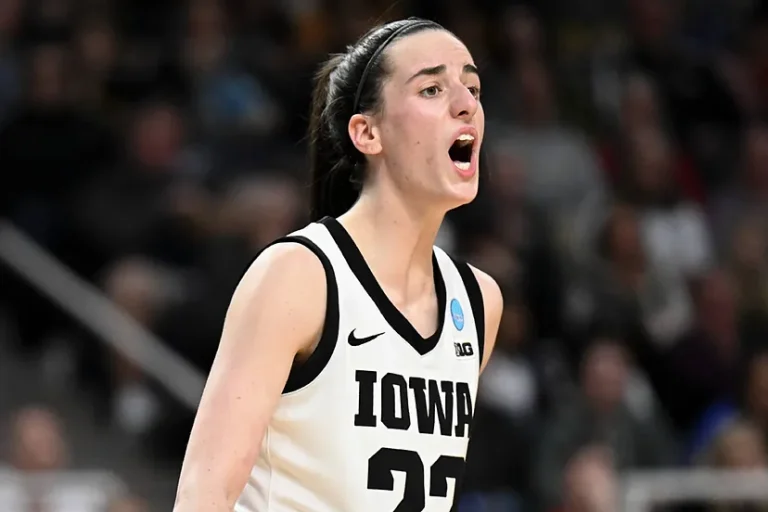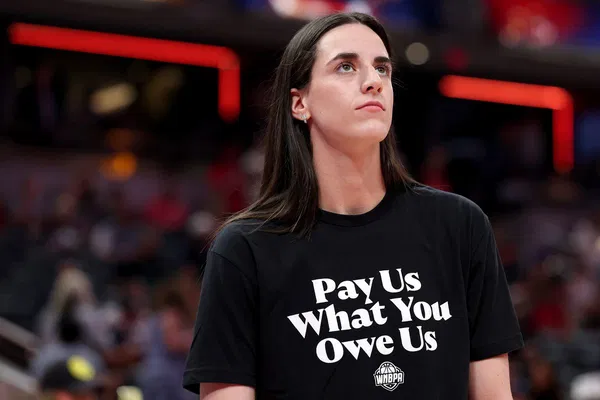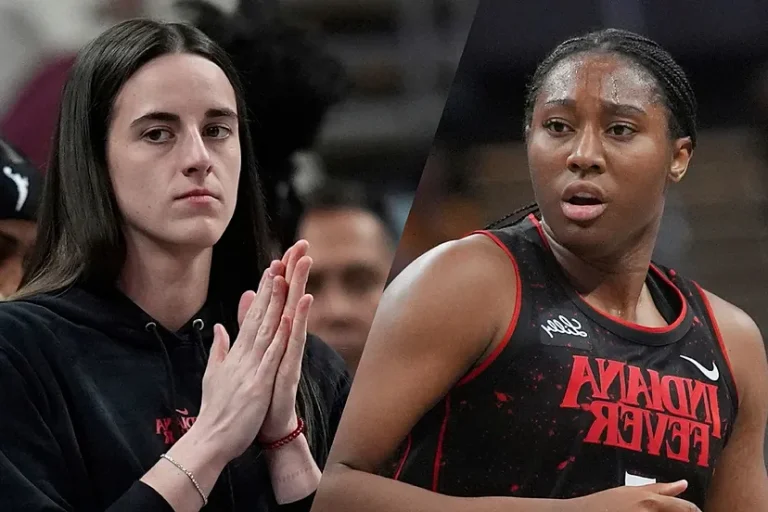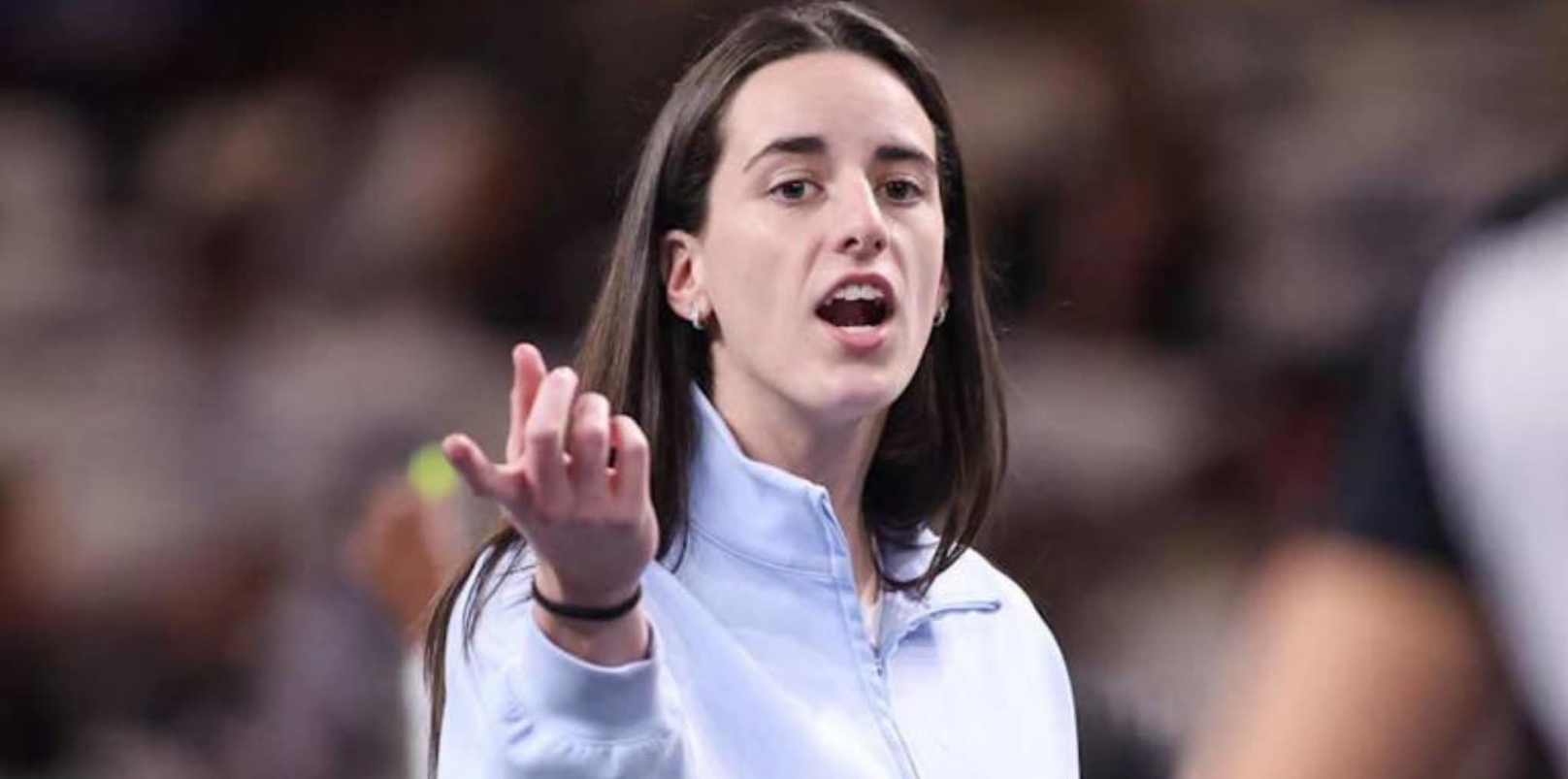
Fewer Fever games moved to larger venues has become a noticeable shift in the WNBA’s 2026 schedule, marking a change from the previous season when Caitlin Clark and the Indiana Fever drove record interest across the league. The league announced that 19 regular season games will be played in higher capacity arenas this year, an increase from 15 in 2025. However, Indiana’s total dropped to just four road games in larger venues, down from nine last season. This development has drawn attention because Clark and the Fever were widely viewed as the league’s biggest ticket draw during her rookie year. The scheduling change reflects how league planning responds to attendance trends, team performance, and player availability over time.
Last season, many teams moved Fever matchups to bigger arenas in anticipation of large crowds fueled by Clark’s popularity. Those decisions were made months in advance and were based on her historic college following and early professional impact. In 2025, however, Clark was limited to only 13 games because of injuries, reducing the certainty that teams could rely on her presence to fill large venues. While the Fever still averaged nearly 16,000 fans per road game, the league saw less consistency than expected in markets that had banked on her availability. As a result, fewer Fever games moved to larger venues this year signals a more cautious approach from host teams trying to manage risk while maintaining stable ticket sales.
The four games that were moved to larger arenas still represent high profile matchups for Indiana. The Fever will play at the Las Vegas Aces in T Mobile Arena, against the Chicago Sky at the United Center, versus the Toronto Tempo at Scotiabank Arena, and against the Dallas Wings at the American Airlines Center. These venues were selected because of strong market demand and existing infrastructure for major sporting events. Toronto and Portland, the league’s newest franchises, are also responsible for much of the overall increase in large venue games, hosting contests in cities like Montreal and Vancouver. This shows that league expansion and new markets now play a bigger role in scheduling decisions than reliance on a single star.
For Indiana fans, fewer Fever games moved to larger venues does not necessarily mean reduced interest in the team. It reflects long term planning and the reality that arenas must be booked months in advance without knowing which players will be healthy later in the season. The Fever remain one of the most watched and followed teams in the league, and Clark continues to be one of the most recognizable players in women’s basketball. If she stays healthy in 2026, teams could still explore late adjustments where possible, especially for high demand matchups. The league has shown flexibility in the past when ticket sales and fan interest justify venue changes closer to game time.
Looking ahead, the situation highlights how closely attendance trends are tied to player availability and market growth. The WNBA is expanding into new cities while balancing competitive scheduling and financial planning for teams and arenas. Fewer Fever games moved to larger venues this season should be viewed as a recalibration rather than a decline in popularity. The Fever’s ability to draw crowds remains strong, and Clark’s influence on attendance is still significant across the league. As the season unfolds, fan turnout and performance on the court will likely shape how future schedules are structured and whether more games are shifted to bigger arenas again.
The 2026 schedule shows a more measured approach to venue selection for Indiana Fever games following Caitlin Clark’s injury affected season. While fewer Fever games moved to larger venues this year, the team remains one of the league’s biggest attractions. This change reflects practical planning rather than a loss of interest and underscores how health, expansion teams, and market demand now influence scheduling decisions. For fans, it means continued excitement around marquee matchups and a chance to see how the league adapts as it grows.
Comment Section Prompt
What do you think this means for the Indiana Fever and Caitlin Clark’s impact on the WNBA next season?
About the Author