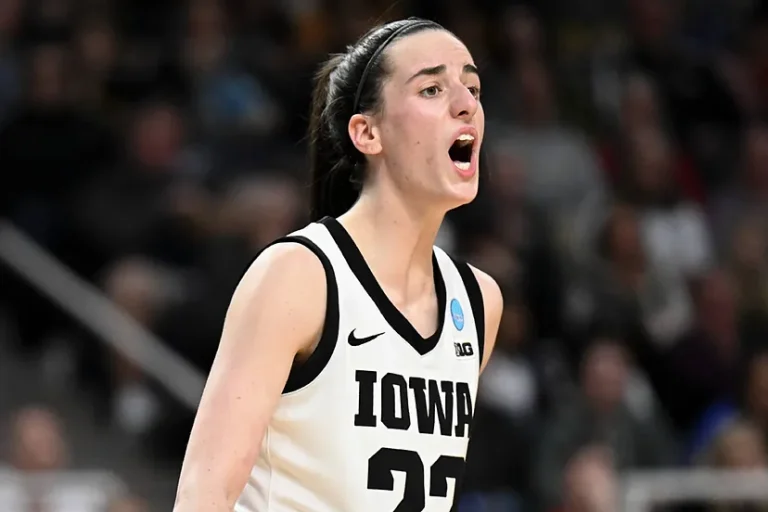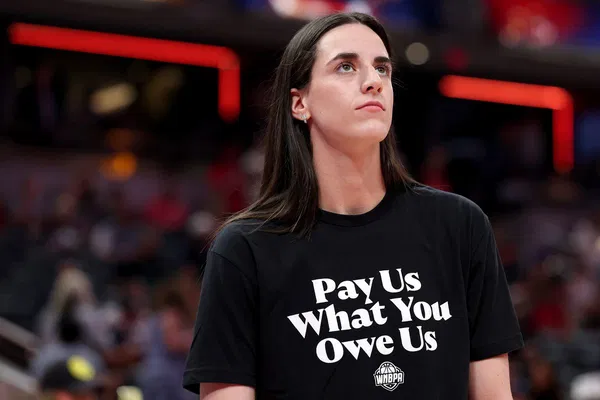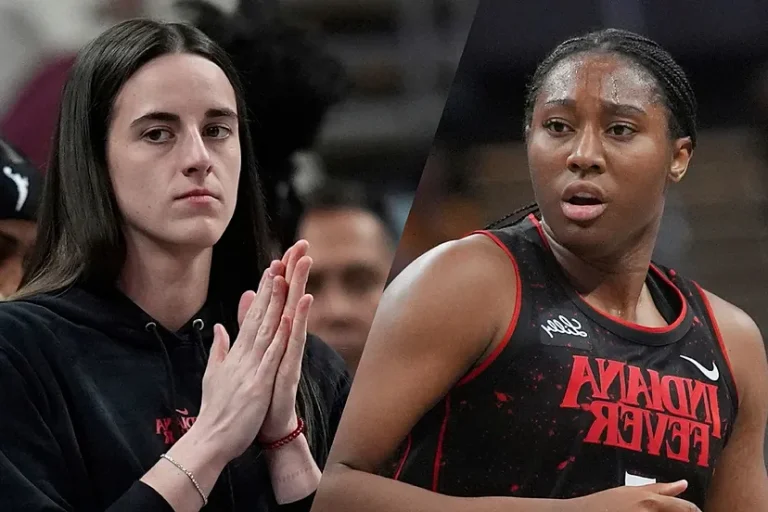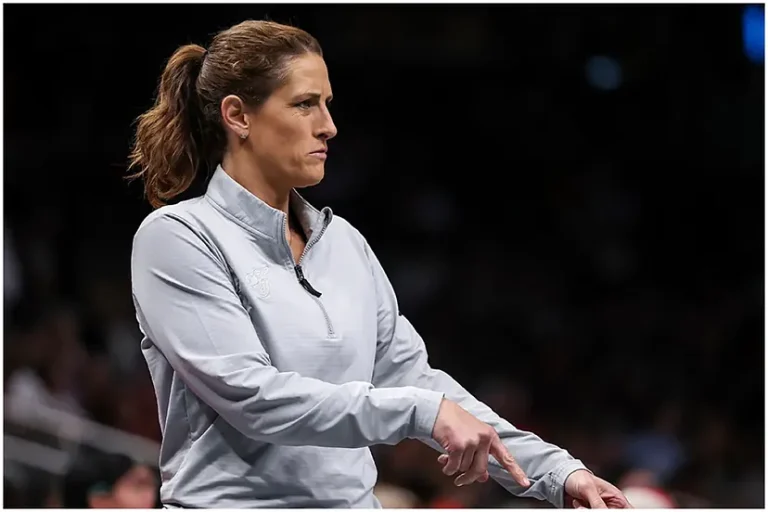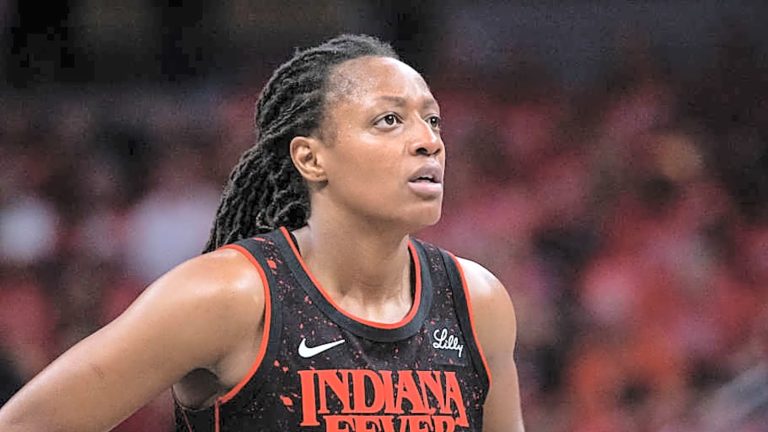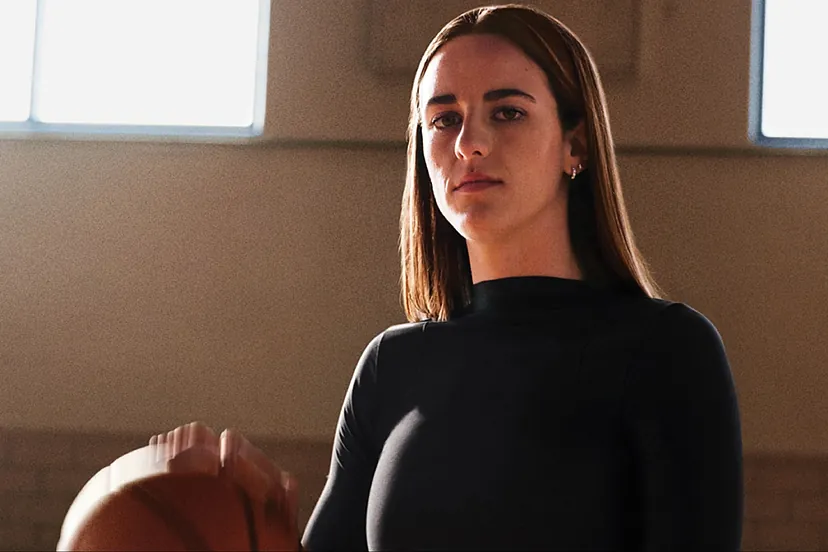
Reports circulating this week claim that a significant conversation took place between Caitlin Clark and Indiana Fever ownership, drawing attention across the WNBA and among fans who closely follow team strategy. The Caitlin Clark Indiana Fever ownership meeting has been described as direct and serious, with Clark reportedly voicing concerns about potential roster changes involving Sophie Cunningham and Lexie Hull. While no official statement has been released by the team, the story has gained traction because it reflects a broader question about how much influence star players should have in shaping franchise direction. For a team still working to build long term stability, any discussion involving ownership and a cornerstone player naturally carries weight and deserves careful evaluation beyond social media headlines.
Clark’s role with the Fever has extended beyond scoring and on court leadership since her arrival, as she has quickly become the central figure around which the organization builds its identity. Her popularity, ticket sales impact, and ability to draw national attention have placed her in a position rarely seen for a young player in the league. When reports suggest she addressed ownership directly about keeping certain teammates, it highlights how modern sports organizations increasingly value player input on chemistry and continuity. This does not necessarily mean final decisions rest with one athlete, but it does show that management recognizes the importance of protecting locker room trust and maintaining a stable core as the team develops.
Sophie Cunningham and Lexie Hull represent two different but important pieces of the Fever’s current structure, making their mention in these reports especially notable. Cunningham brings experience and edge to the lineup, while Hull provides defensive energy and versatility that complements Clark’s offensive role. Any potential trade involving either player would signal a major shift in how the Fever see their competitive timeline. From an organizational standpoint, pausing or revising trade discussions after a conversation with a franchise player would reflect a strategy focused on long term growth rather than short term roster reshuffling.
The broader implication of the Caitlin Clark Indiana Fever ownership meeting is not just about two players, but about how the Fever define leadership and collaboration moving forward. Teams across the WNBA are increasingly transparent about communication between players and executives, especially when dealing with rebuilding phases or rapid rises in national attention. Clark’s reported stance may also reflect a desire for stability after a season marked by intense media coverage and pressure. For fans, this moment represents a shift from simply watching highlights to understanding how internal decisions shape what happens on the court.
Looking ahead, the Fever are likely to approach roster decisions with more caution and clearer messaging, knowing that every move will be analyzed through the lens of Clark’s presence and influence. Whether the reported meeting changes trade plans permanently or simply opens dialogue, it signals a franchise trying to align competitive goals with player confidence. The situation underscores how modern WNBA teams must balance management authority with the voices of players who drive the league’s visibility. Ultimately, this episode matters because it shows how Indiana Fever leadership and Caitlin Clark are navigating the pressures of success together, setting a tone for what the team hopes to become in the coming seasons.
The reported conversation between Caitlin Clark and Indiana Fever ownership highlights how player input and front office strategy can intersect during critical moments for a franchise. Even without official confirmation, the discussion reflects a team working to protect chemistry and long term direction while managing intense public attention. As the Fever continue to shape their roster, this moment serves as a reminder that leadership is not only about contracts and trades but also about trust and shared vision. What happens next will help define the next phase of Indiana Fever basketball.
Comment Prompt
What do you think this situation means for the Indiana Fever’s roster decisions next season?
About the Author