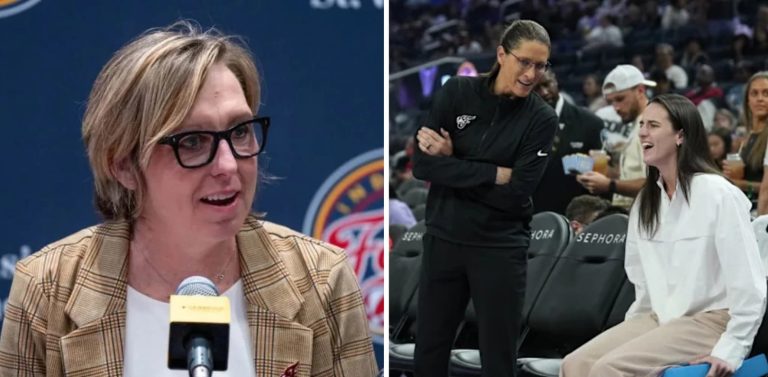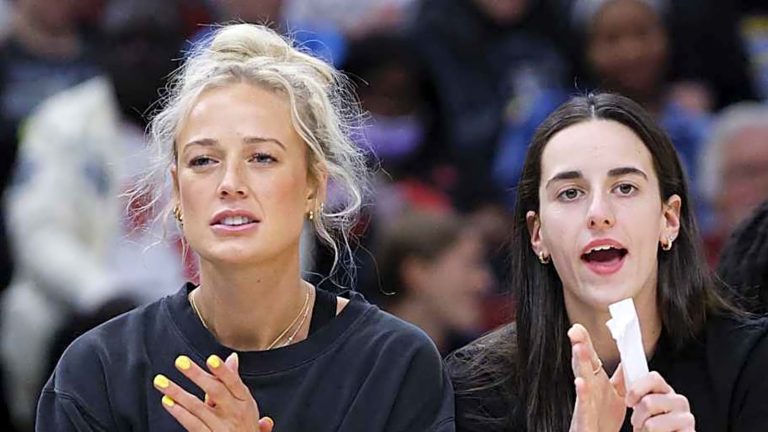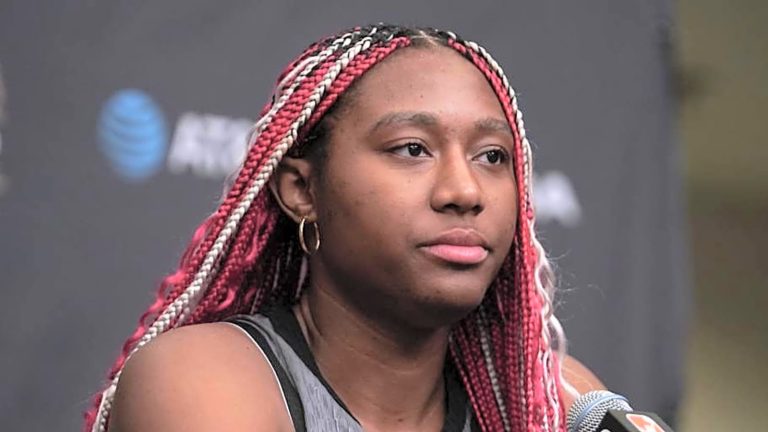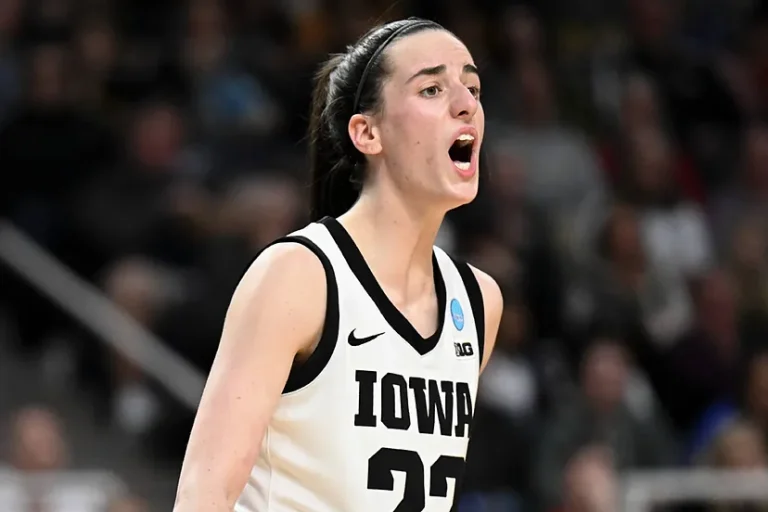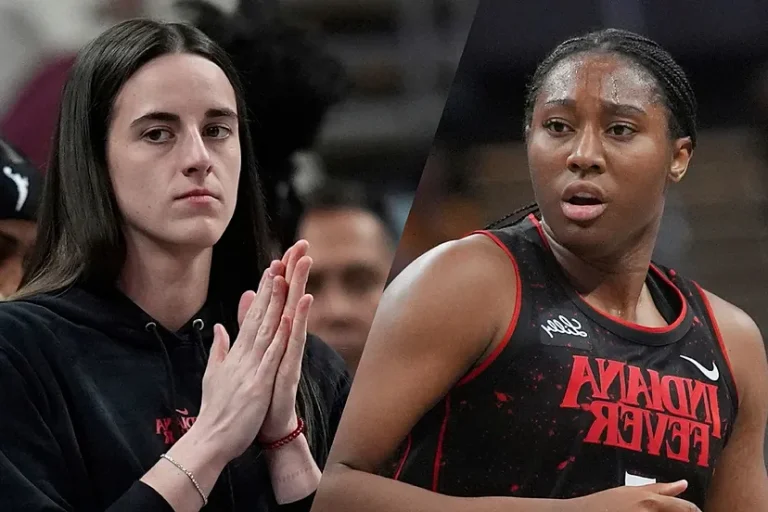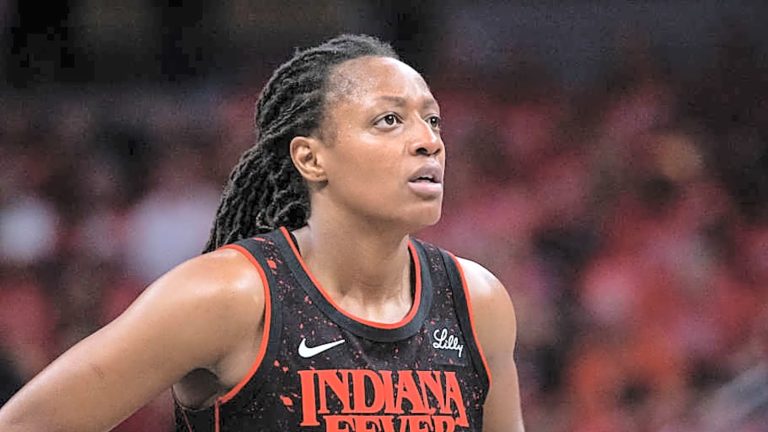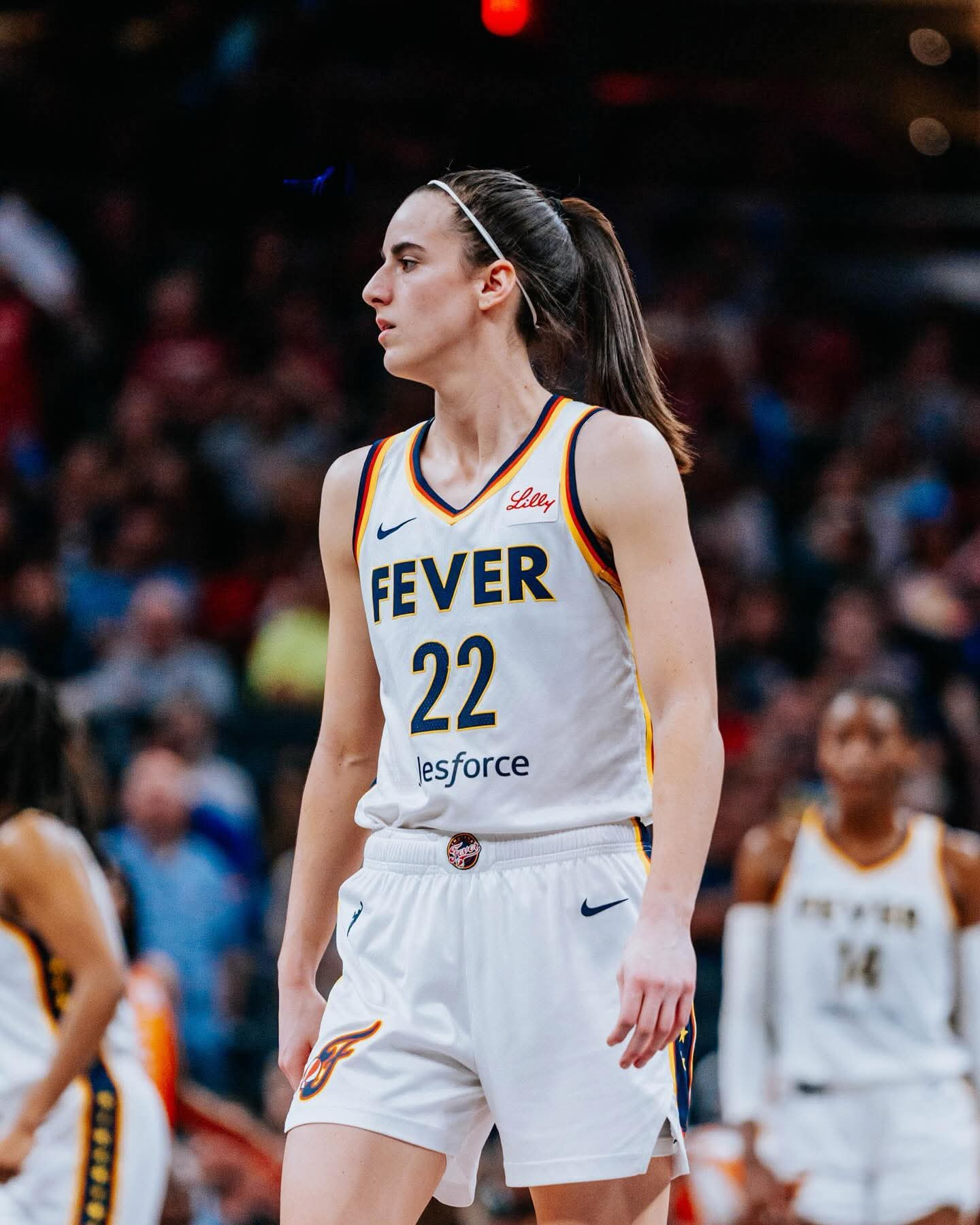
When the Indiana Fever selected Caitlin Clark, excitement swept across fans and the WNBA community. Her energy on the court and dedication off it make her one of the most thrilling players to watch. But what should have been pure celebration quickly turned into a spectacle of fan tribalism, cliques, and near-cult-like behavior that shocked even longtime observers.
Caitlin Clark’s talent is undeniable. Every game she plays electrifies the crowd and elevates the Indiana Fever’s profile within the league. Her presence alone drives ticket sales, media coverage, and social media engagement, making her a powerhouse ambassador for both the franchise and the WNBA. Fans should be rallying around her achievements, celebrating her skill and influence.
Instead, the arrival of Clark has revealed a darker side of fandom. Online forums, social media threads, and even some in-person fan interactions have become battlegrounds. Tribalism is rampant, with some fans aggressively defending her at all costs while others take every opportunity to criticize, often disrespectfully. The once-unifying love of basketball has been replaced by hostility and division.
It’s not just about sports. This behavior reflects a broader trend where fandom becomes identity, and any perceived criticism triggers extreme reactions. Clark herself remains focused on her craft, but it’s evident that navigating this level of scrutiny and the intense polarization among fans can take an emotional toll on even the most resilient athletes.
The irony is striking. The WNBA, a league celebrated for empowerment, teamwork, and community, is seeing its culture tested by the very people who should be supporting it. Instead of fostering discussion and engagement, fan interactions are devolving into cliques and arguments that overshadow the real stories of perseverance, growth, and achievement that athletes like Clark represent.
So why does this happen? Perhaps it’s a mix of social media amplification, personal biases, and the human tendency to form in-groups and out-groups. Whatever the cause, it’s clear that fans need to reflect on how they engage with the sport and its players. Celebrating talent doesn’t require diminishing someone else. The WNBA and the Indiana Fever deserve more than fan battles—they deserve a community that lifts its stars and, by extension, itself.
Comment Section Prompt
What do you think about the fan drama surrounding Caitlin Clark’s arrival? Have you witnessed this tribalism in sports communities before? Share your thoughts below and join the conversation.
About the Author