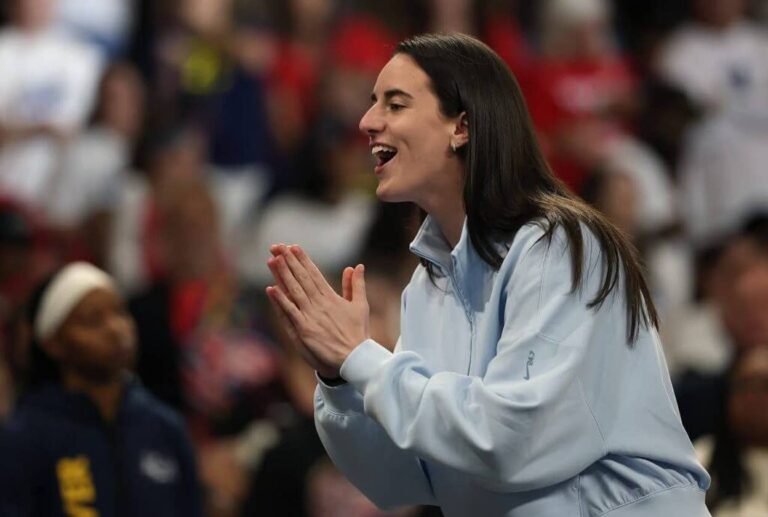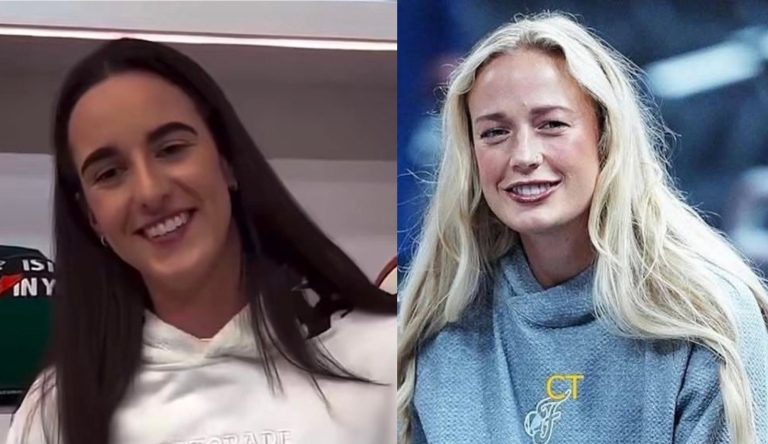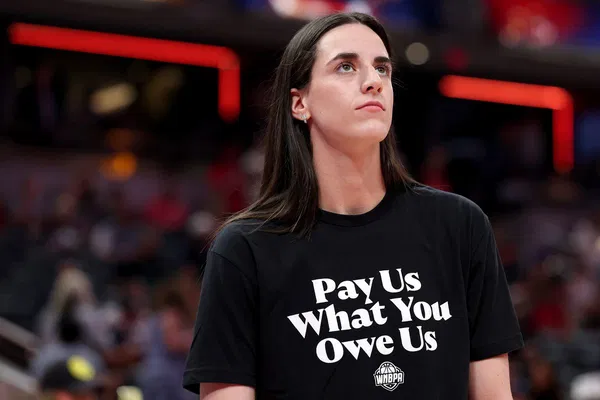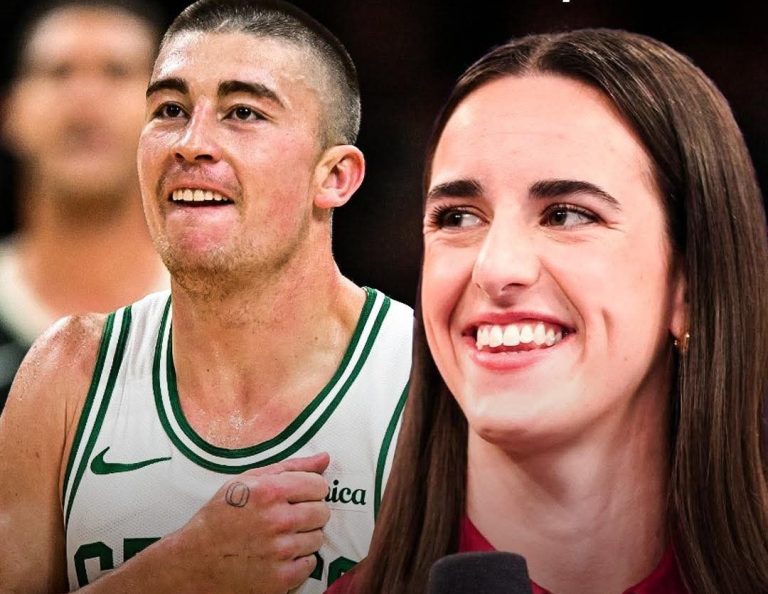
The Caitlin Clark Klutch Sports controversy has become a major topic of discussion across women’s basketball after a viral comment suggested the Indiana Fever star could help resolve ongoing WNBA labor negotiations by signing with Rich Paul’s agency, Klutch Sports. The statement quickly spread across social media and sports platforms, creating a wave of fan reaction analysis focused on the role of star power in league wide decision making. With the WNBA still operating under its 2020 collective bargaining agreement and no formal update from the league on the players’ latest proposal, the timing of the comment has intensified public interest in the league’s future direction and its growing mainstream visibility.
This moment reflects a larger conversation about media impact and cultural influence in professional women’s sports. Caitlin Clark’s popularity has already reshaped broadcast ratings and fan engagement, making her a central figure in nearly every major league discussion. The controversy now raises questions about whether individual influence can meaningfully affect labor outcomes that are traditionally negotiated through collective structures.
The controversy began when analyst Rachel A. DeMita publicly questioned why Caitlin Clark had not signed with Klutch Sports and suggested that her joining the agency could speed up the resolution of WNBA labor talks. While framed as a hypothetical, the comment carried the implication that one player’s representation choice could unlock stalled negotiations between the league and the players’ union. Fans and analysts quickly pointed out that labor agreements are shaped by structured negotiations involving the WNBA and the Players Association, not by individual agencies regardless of their influence. The response demonstrated how sensitive and complex the topic of player compensation and league policy has become during this period of uncertainty.
Context is essential to understanding why the reaction was so strong. Klutch Sports already represents several of the WNBA’s most accomplished athletes, including A’ja Wilson, Chelsea Gray, and Naz Hillmon. These players have championship experience, MVP awards, and long standing leadership roles within the league. Many fans argued that if agency affiliation alone could resolve labor disputes, progress would have already occurred through these established stars. This comparison highlighted what many viewed as an oversimplification of the issue and reinforced the idea that collective bargaining depends on institutional processes rather than celebrity leverage.
The discussion also touched on Caitlin Clark’s own business background and professional autonomy. Clark earned a marketing degree at the University of Iowa and has been directly involved in negotiating high profile endorsement deals, including her partnership with Nike. Supporters emphasized that portraying her as needing an agency to guide her business decisions undervalues her experience and intelligence. This angle fueled the fan reaction analysis, with many interpreting the comment as unintentionally dismissive of both Clark’s capabilities and the contributions of veteran players already engaged in labor advocacy.
Beyond the personalities involved, the controversy reflects a deeper shift in how the WNBA is perceived by the public. Increased mainstream visibility has brought larger audiences but also higher expectations for transparency and fairness. Fans are no longer just watching games; they are closely following negotiations, contracts, and governance decisions. The Caitlin Clark Klutch Sports controversy became a focal point because it merged star power with labor politics, two areas that now receive equal attention in modern sports coverage. This convergence demonstrates the league’s evolving media impact and the cultural influence of its most recognizable figures.
From an analytical perspective, the situation underscores the limits of individual influence in collective systems. While Clark’s popularity undeniably boosts ratings and attention, structural reforms require cooperation between league leadership and the players’ union. Experts argue that sustainable growth depends on revenue sharing models, improved working conditions, and long term investment in player development. Assigning responsibility to a single athlete risks distracting from these broader goals and oversimplifying the challenges that define the current negotiation climate.
The controversy may ultimately have a constructive outcome by increasing public awareness of the WNBA’s labor process. Fans are now more informed about how collective bargaining works and why delays occur. The widespread reaction has also amplified calls for clearer communication from league officials. In that sense, the debate surrounding the Caitlin Clark Klutch Sports controversy could contribute to stronger engagement and accountability, even if the original claim was widely criticized.
The Caitlin Clark Klutch Sports controversy illustrates how star power, media influence, and labor negotiations intersect in today’s WNBA. What began as a speculative comment evolved into a broader conversation about collective responsibility and the limits of individual impact within professional sports systems. As negotiations continue, fans are looking for real progress rather than symbolic solutions tied to a single player or agency. The situation matters because it reflects the league’s growing visibility and the increasing role of informed fan communities in shaping public discourse. How the WNBA responds next will likely influence trust, engagement, and the long term perception of its leadership.
Comment Section Prompt
What do you think this debate reveals about the role of star players in shaping the future of the WNBA?
About the Author