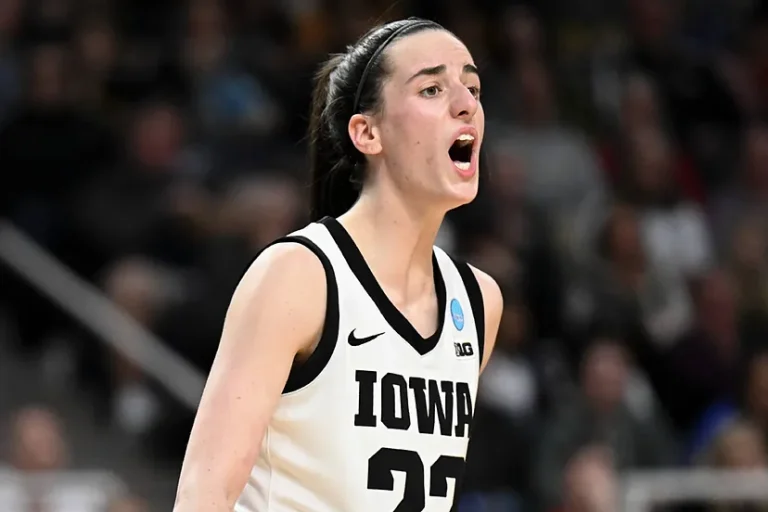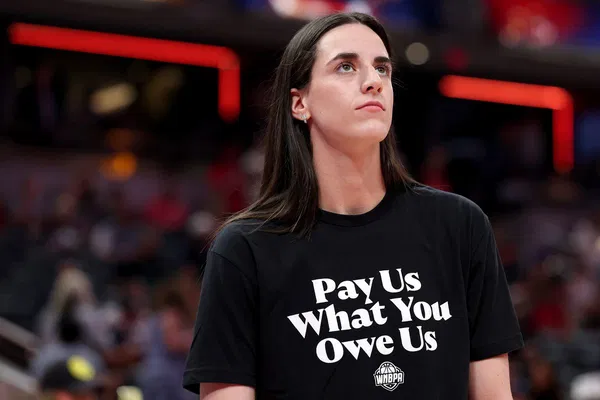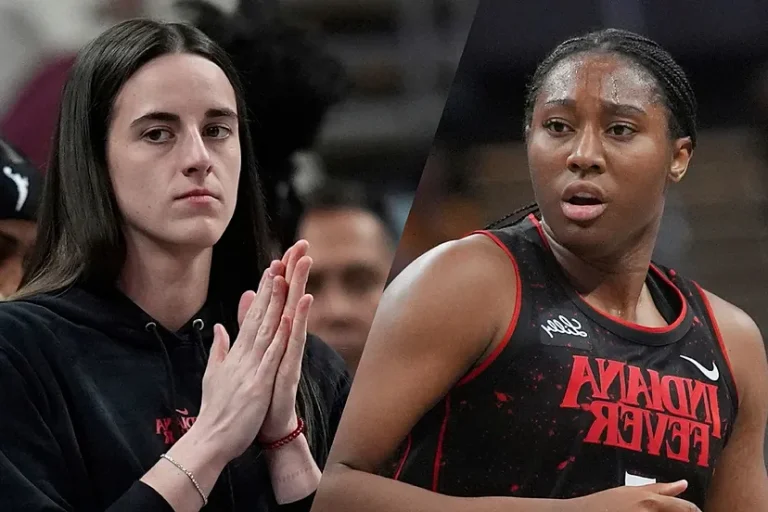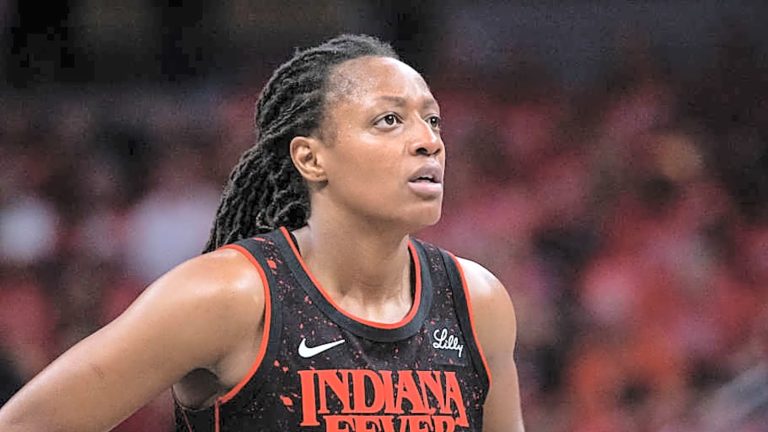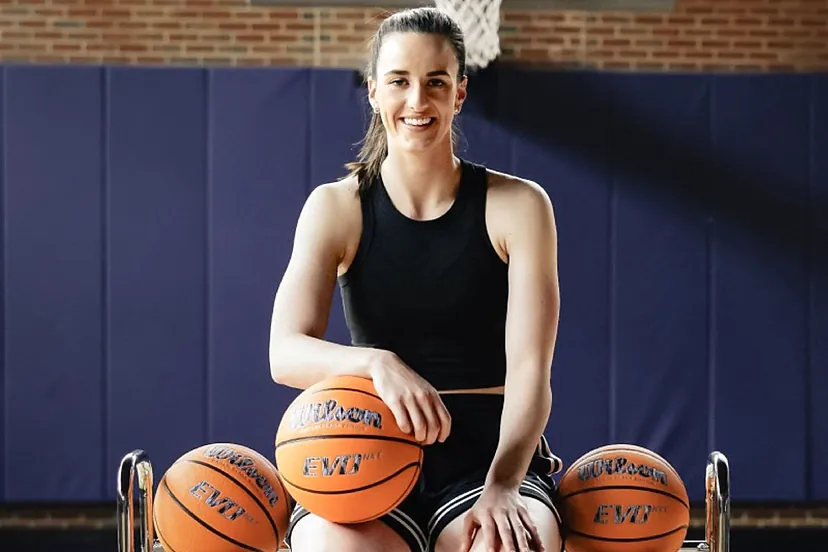
The Caitlin Clark media impact coverage challenge has become a defining issue in the current phase of women’s basketball growth. As Clark’s popularity expands through television appearances and national broadcast roles, the attention she receives has exposed deeper questions about how success is discussed in women’s sports. Her influence has helped bring new audiences to the WNBA, but it has also sparked debate about recognition and fairness. This moment shows that increased visibility does not automatically lead to unified celebration. Instead, it highlights the complexity of promoting individual stars in a league still shaping its public identity.
Caitlin Clark’s rise has coincided with one of the most visible seasons in WNBA history. Ratings, social engagement, and mainstream media interest have all increased as her profile continues to grow beyond the court. Her involvement in national basketball broadcasts has positioned her as a bridge between the WNBA and broader sports audiences. This crossover influence has helped normalize women’s basketball in spaces traditionally dominated by men’s sports. At the same time, it has introduced tension about how much attention one player should receive within a league built on collective progress.
The reaction to Clark’s success reveals a pattern that has followed women’s sports for decades. When a standout athlete emerges, the conversation often shifts toward comparisons and historical justification rather than present achievement. Instead of focusing on performance and impact, debates center on whether recognition is evenly distributed. This framing makes celebration feel conditional and can reduce the emotional connection fans have with the moment. It suggests that excellence must be defended rather than embraced, which limits how far excitement can spread.
Media response has played a powerful role in shaping this narrative. Social posts and broadcast features highlighting Clark have sometimes been met with criticism instead of support, reflecting discomfort with singular stardom. Commentators have pointed out that acknowledging history should not weaken recognition of current success. In men’s sports, iconic figures are routinely promoted as symbols of their leagues without controversy. Clark’s growing broadcast role offers the WNBA a similar opportunity to build a recognizable face for a new generation of fans.
The Caitlin Clark media impact coverage challenge also affects how fans interact with the league. New viewers are drawn to familiar personalities, and Clark’s visibility makes the WNBA easier to follow for casual audiences. However, when discussions become focused on arguments about fairness, attention moves away from the game itself. This can create fatigue among supporters who simply want to enjoy basketball without cultural disputes. A more confident approach to celebrating individual achievement would help keep the focus on competition and growth.
For the league, this moment represents a test of direction and messaging. Promoting star players is a proven strategy for expanding any sport’s audience, but it requires consistency and clarity. If every major breakthrough is met with hesitation, long term momentum becomes harder to sustain. Clark’s influence shows that women’s basketball now has the tools to create widely recognized figures who can drive interest beyond core fans. How that influence is framed will shape future marketing, sponsorships, and media partnerships.
This situation also reflects a broader cultural shift in women’s sports. Visibility has reached a level where conversations about identity and recognition are unavoidable. Clark’s story illustrates that progress is not only about being seen but about how being seen is interpreted. The league is learning in real time how to balance collective respect with individual stardom. That balance will determine whether future stars are welcomed with confidence or surrounded by debate.
The Caitlin Clark media impact coverage challenge shows that growth in women’s sports brings both opportunity and responsibility. Clark’s rise has expanded the WNBA’s reach while revealing lingering discomfort with celebrating individual success. Moving forward, embracing standout players without constant comparison will be essential for sustaining momentum and building stronger fan engagement. This moment matters because it will shape how the league presents its next generation of stars. The way Clark’s influence is handled today will influence how women’s basketball defines its future.
Comment Section Prompt
Do you think the WNBA should fully embrace individual stars as faces of the league or continue to focus on shared recognition across players?
About the Author