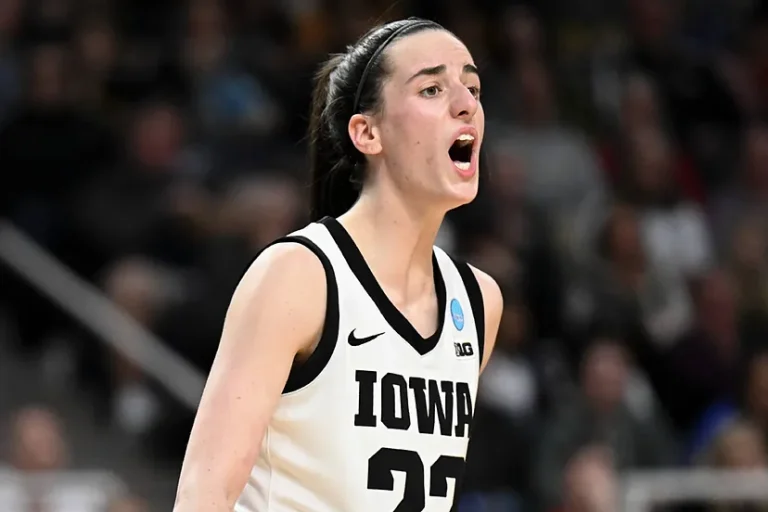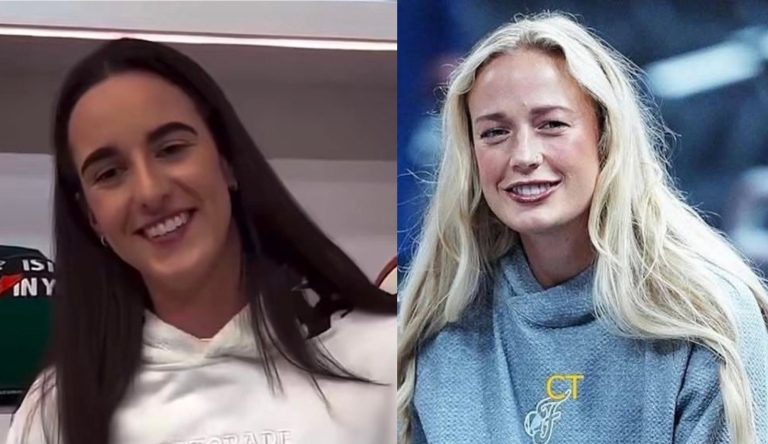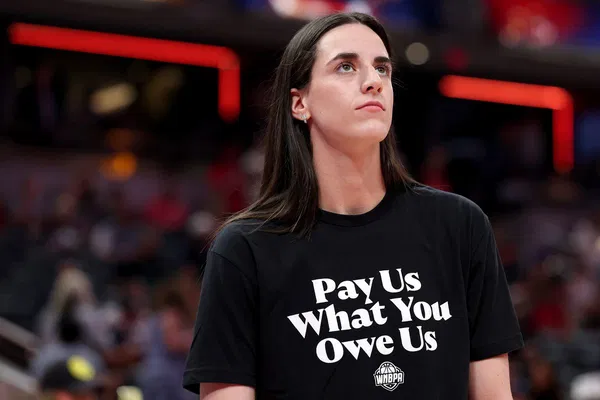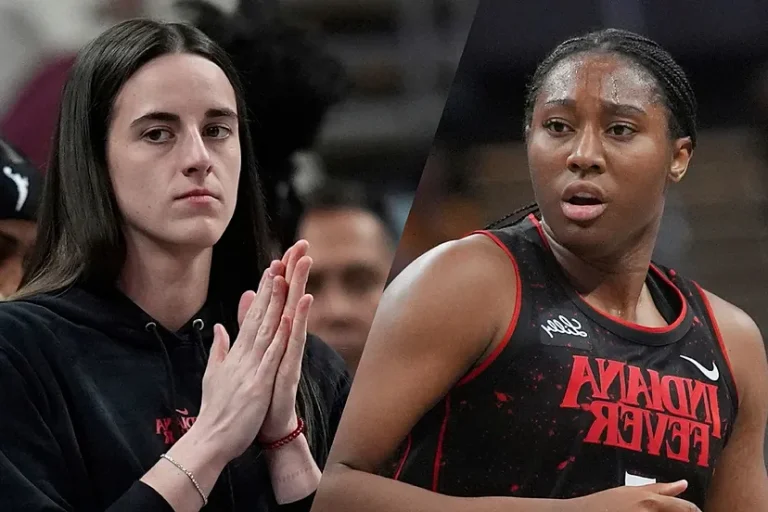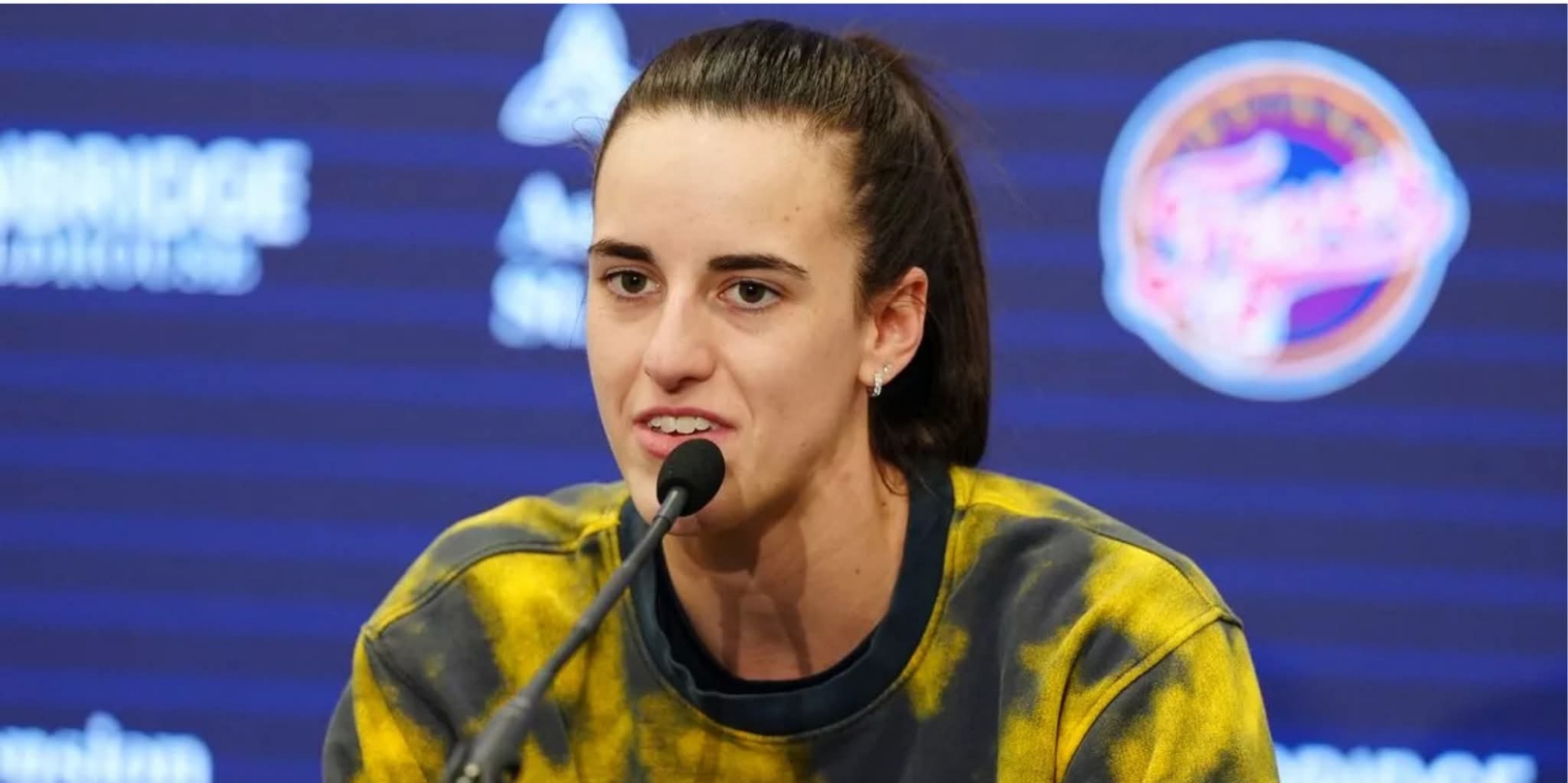
The Caitlin Clark Nike shoe drop has quickly become one of the most discussed moments in women’s basketball marketing this year. Within days of its release, the shoe sold out across multiple platforms, drawing attention from fans, sneaker collectors, and industry analysts. The response highlighted not only Clark’s growing influence but also the way modern sports marketing now blends performance, visibility, and digital engagement. As interest surged, online discussions expanded beyond Clark herself and unexpectedly brought A’ja Wilson’s Nike sales into the spotlight.
The timing of the Caitlin Clark Nike shoe drop played a major role in its impact. The release followed Clark’s first solo Nike commercial, which received strong engagement across social media and sports platforms. That visibility helped introduce the product to both WNBA fans and casual viewers who may not typically follow women’s basketball closely. Nike positioned the release to align with peak interest in Clark’s rookie season, ensuring that demand was already high before the shoe became available.
From a broader perspective, the shoe was not Clark’s official signature model but a limited player edition tied to an established Nike basketball line. Even so, the sellout speed reflected how closely fans associate Clark with the brand. Resale listings appeared almost immediately, with prices climbing well above retail in some cases. This reaction reinforced the idea that Clark’s marketability currently extends beyond on court performance into lifestyle and sneaker culture, an area where women athletes have historically had fewer breakout moments.
As the Caitlin Clark Nike shoe drop continued to trend, attention turned toward comparisons with other Nike athletes in the WNBA, particularly A’ja Wilson. Wilson already has a signature Nike shoe and a résumé that includes championships, MVP awards, and consistent elite performance. Online conversations began questioning why Clark’s release generated such visible momentum while Wilson’s sales appeared quieter in comparison. These discussions were largely driven by social media perception rather than confirmed sales data.
It is important to separate verified information from online narratives. Nike does not publicly release detailed sales figures for individual athlete products, making direct comparisons difficult. Wilson’s Nike releases have performed well within their intended markets and remain popular among dedicated basketball fans. The difference lies in audience reach. Clark currently attracts a large crossover audience that includes college basketball fans, new WNBA viewers, and younger consumers active on social platforms. That broader exposure naturally amplifies reactions to her releases.
The conversation also reflects how marketing strategy influences perception. Clark’s branding emphasizes accessibility and relatability, which resonates strongly with digital audiences. Wilson’s brand has been built around sustained excellence and championship success, which appeals to a different segment of fans. Neither approach is inherently stronger, but they generate different types of engagement. The Caitlin Clark Nike shoe drop simply benefited from a moment where visibility, timing, and audience growth aligned.
For the WNBA, this situation underscores a positive shift. Increased attention on sneaker sales and endorsements signals growing commercial interest in the league. More discussions around athlete branding mean more opportunities for players across the board. While comparisons can create tension online, they also show that women’s basketball is reaching a point where multiple stars can drive significant business conversations at the same time.
Looking ahead, fans should expect Nike and other brands to continue experimenting with targeted releases and athlete focused campaigns. Clark’s future products will likely receive similar attention, while Wilson’s established presence gives her long term stability within the market. Rather than viewing this as a competition, it reflects an expanding ecosystem where different athletes succeed in different ways.
In conclusion, the Caitlin Clark Nike shoe drop matters because it highlights how rapidly women’s basketball marketing is evolving. The discussion around A’ja Wilson’s Nike sales is less about decline and more about contrasting styles of influence. Both players remain central to Nike’s WNBA strategy, and their success contributes to the league’s overall growth. As fan interest continues to rise, these moments help shape the future of endorsements and visibility in women’s sports.
Comment Section Prompt
What do you think this debate says about how WNBA stars are marketed today?
About the Author