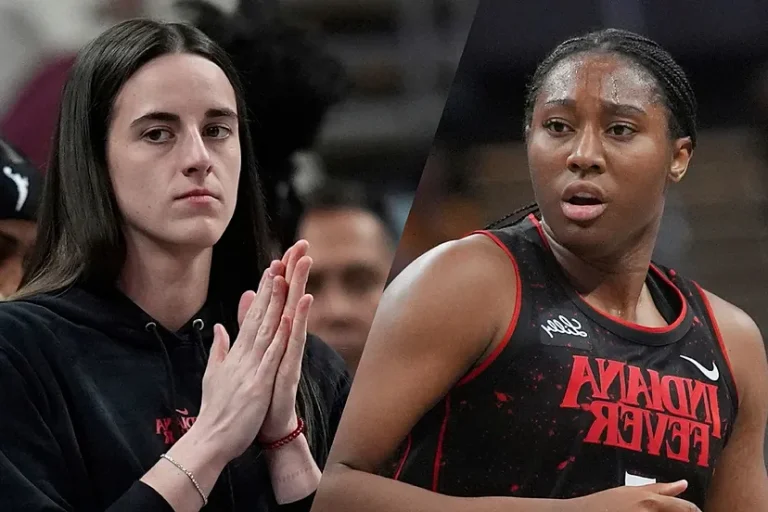
Caitlin Clark WNBA free agency discussions have taken on new meaning as the league enters one of the most uncertain offseasons in its history. With the Collective Bargaining Agreement set to expire and expansion teams preparing to join the league, player movement is expected to accelerate once negotiations conclude. While many veterans face contract pressure and roster instability, Clark remains in a uniquely strong position with the Indiana Fever. Her situation could quietly make her one of the biggest beneficiaries of this chaotic period.
The WNBA is preparing for its 30th season with the addition of Portland and Toronto, increasing the league to 15 teams for the first time in over two decades. At the same time, the players union opted out of the current CBA, leaving the league in a temporary holding pattern. As negotiations continue, most players do not yet have contracts for the upcoming season. This unusual pause has created uncertainty for teams and athletes alike, but it also creates opportunity for franchises that already have a cornerstone player under contract.
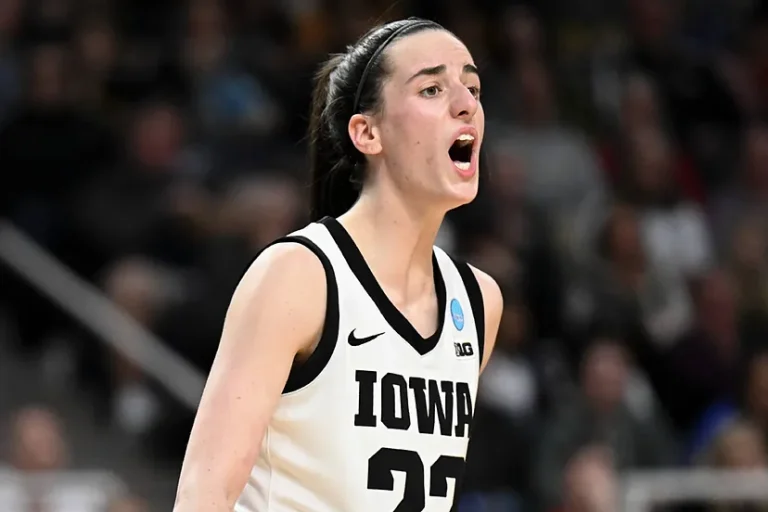
For Indiana, that cornerstone is Caitlin Clark. While many of the league’s veterans must wait to learn what the new salary structure will look like, Clark remains on her rookie scale contract. This gives the Fever rare financial clarity and stability during a volatile market. The front office can plan around her without worrying about renegotiation or cap complications in the short term. That advantage could allow Indiana to be more aggressive once free agency officially opens.
Caitlin Clark WNBA free agency conditions also favor her influence on potential signings. Players seeking both financial growth and on court success are likely to prioritize teams with elite playmakers and national visibility. Clark has already established herself as one of the league’s most recognizable faces, drawing crowds and media attention in her rookie season. For veterans hoping to maximize both their basketball impact and their personal brand, playing alongside Clark in Indianapolis is an increasingly attractive option.
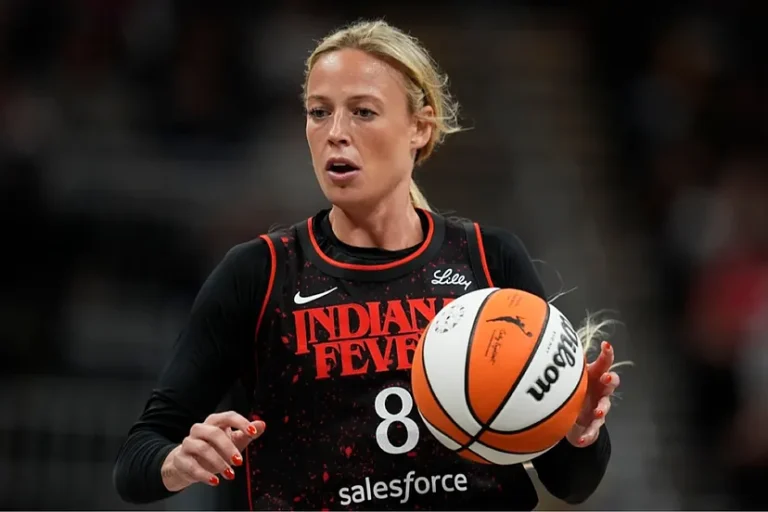
The Fever’s strategy appears focused on preserving continuity while adding experience. Lexie Hull is a restricted free agent and remains a priority due to her defensive presence and chemistry with Clark. Her ability to guard elite perimeter players complements Clark’s offensive leadership and keeps the Fever balanced on both ends of the floor. Retaining Hull would send a message that Indiana values stability even in a compressed offseason.
Sophie Cunningham’s situation also highlights the importance of smart roster management. Although injuries limited her availability, her physical style of play and veteran edge give Indiana an identity that protects its young star. Cunningham brings toughness and leadership that young rosters often lack. If the Fever can keep her while navigating the new CBA framework, Clark would enter the next season with one of the most complete supporting casts she has had so far.
Beyond Indiana, the broader league environment makes Clark’s position even stronger. With a likely increase in the salary cap and a new maximum base salary structure, teams will compete aggressively for proven talent. Many franchises will need to rebuild or adjust after the expansion draft. Indiana, by contrast, already has a clear focal point. That clarity allows the Fever to pitch stability and direction to free agents who may be wary of joining newly formed or restructured rosters.
Caitlin Clark WNBA free agency circumstances also underline how timing can shape a player’s career. Entering the league just before a major labor agreement change gives her a chance to grow with the sport’s economic expansion. While veterans face difficult contract decisions, Clark is positioned to benefit from the league’s next financial phase without immediate risk. Her long term earning power and competitive environment both stand to improve as the WNBA evolves.
From a basketball perspective, this period could define the Fever’s trajectory for years. If the team successfully keeps its defensive core and adds one or two experienced contributors, Clark’s playmaking could unlock a higher competitive ceiling. The Fever would not only remain relevant but could emerge as a consistent playoff contender. That outcome would further reinforce Clark’s role as the league’s central figure during a transformational era.
Comment Section Prompt
What do you think this situation means for the Indiana Fever heading into the next WNBA season?
About the Author