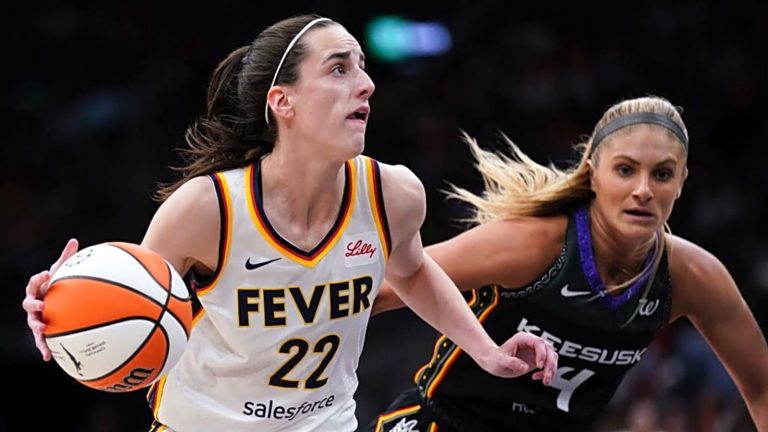
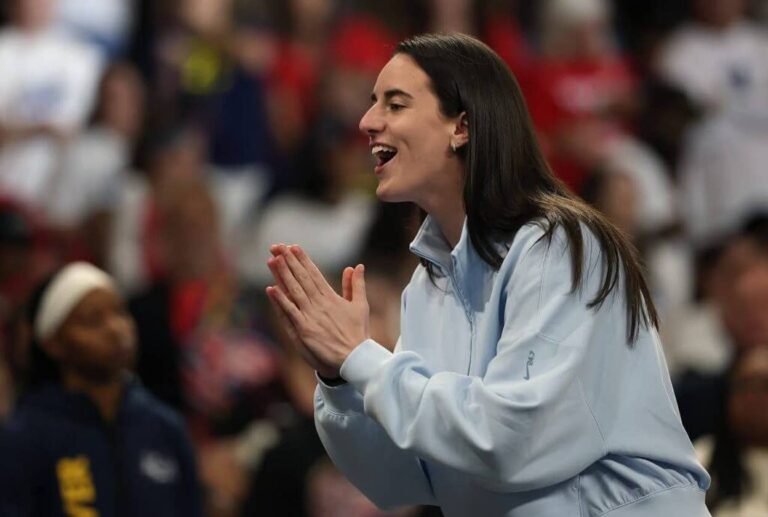
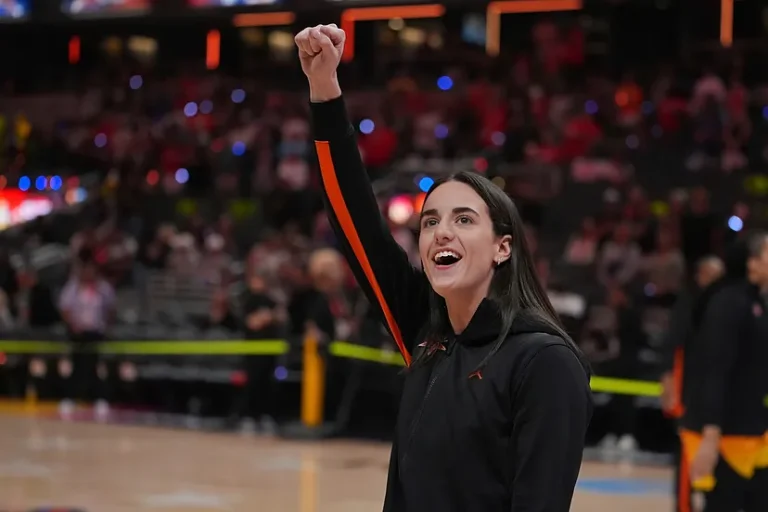
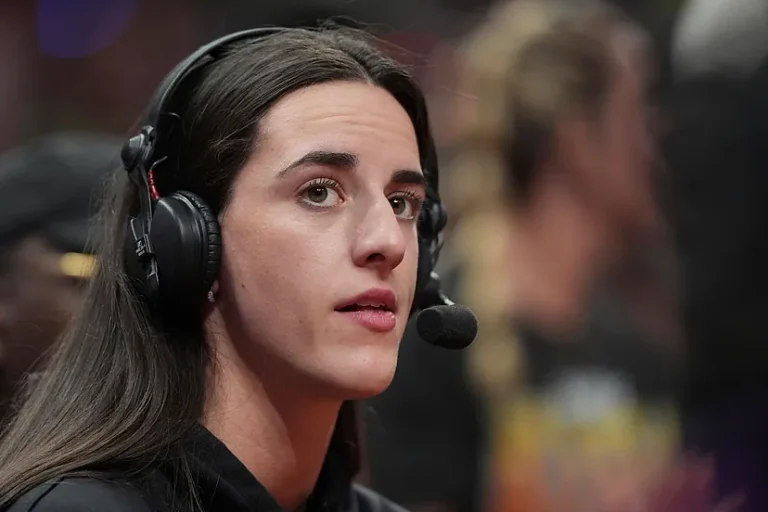
The WNBA’s most anticipated season is on the edge, and Caitlin Clark spotlight has only intensified the pressure. With the May 8 season opener looming, ongoing Collective Bargaining Agreement (CBA) negotiations threaten to delay the start. Talks between the league and players began even before the end of the 2025 season, and while stars like Angel Reese, Breanna Stewart, and Paige Bueckers sharpen their skills in the Unrivaled 3×3 league, all eyes remain on Clark and the ticking clock of a high-stakes negotiation.
The league delivered a firm ultimatum during a virtual session this past Monday: a deal must be reached by March 10 to ensure the May start. The timing is critical. With an expansion draft introducing two new teams and roughly 80 percent of players currently in free agency, a delayed agreement could disrupt the entire season. Over 50 players participated in the call, which underscored the complexity and urgency of the discussions. A missed deadline threatens not only lost TV revenue but also sponsorship strains and disappointed fans eager to witness the second year of the “Caitlin Clark Effect.”
Revenue distribution remains the core issue. The WNBA recently proposed increasing players’ share to 70 percent of net revenue, up from 50 percent under the 2020 CBA. The league warns that union counter-proposals could cost hundreds of millions for team owners if agreed upon. Despite this tension, Monday’s session revealed a historic first: the league will distribute $8 million in revenue sharing from last season, marking the first time the revenue threshold was triggered. The union now has 60 days to determine how to divide this payout, demonstrating the league’s growing financial stability.
The negotiations are also about long-term stability. Beyond immediate payouts, discussions include housing, revenue percentages, and the broader structure of player benefits. Clark’s elevated profile has amplified the stakes, drawing global attention and setting high expectations for the May opener. Fans are closely watching social media reactions and broadcast coverage, understanding that a delay could overshadow one of the most exciting seasons in WNBA history.
The situation highlights the league’s balancing act between growth and fairness. While Clark’s impact drives mainstream visibility, the administrative and financial logistics behind the scenes are just as crucial. The union and league leadership face the dual challenge of satisfying players’ demands and maintaining operational readiness for the 2026 season. Analysts predict that the March 10 deadline is the true tipping point that will determine whether fans experience the season as planned or face disappointment.
For Indiana Fever supporters, Clark’s presence represents more than just performance on the court. It is the focal point of fan engagement, media coverage, and the league’s cultural influence. How the league handles these negotiations may set a precedent for player leverage and fan expectations in the coming years. The outcome will define the relationship between star power, revenue distribution, and the operational realities of the WNBA.
As the countdown to March 10 continues, the WNBA faces a critical intersection of business, star power, and fan anticipation. Clark’s spotlight has turned the negotiations into a narrative that transcends the court, making every decision significant. Fans, analysts, and sponsors alike are watching closely, knowing that the next few weeks will shape the future of women’s professional basketball.
About the Author