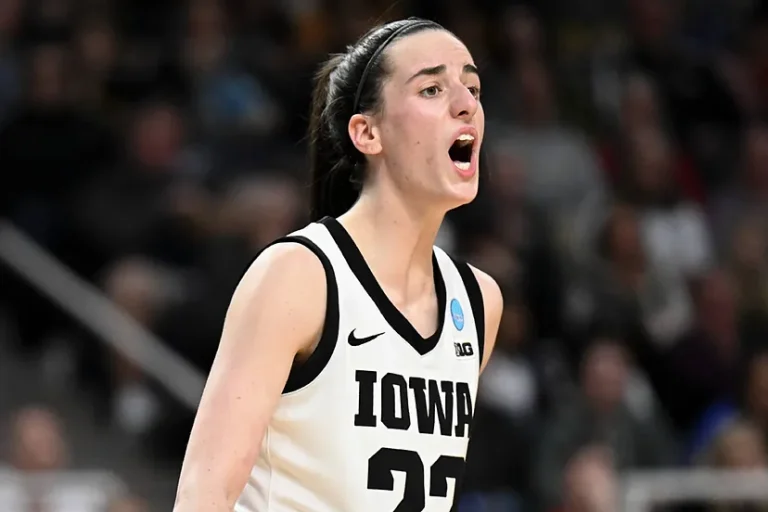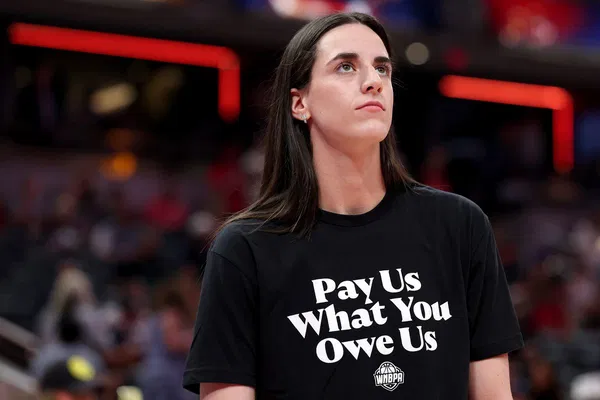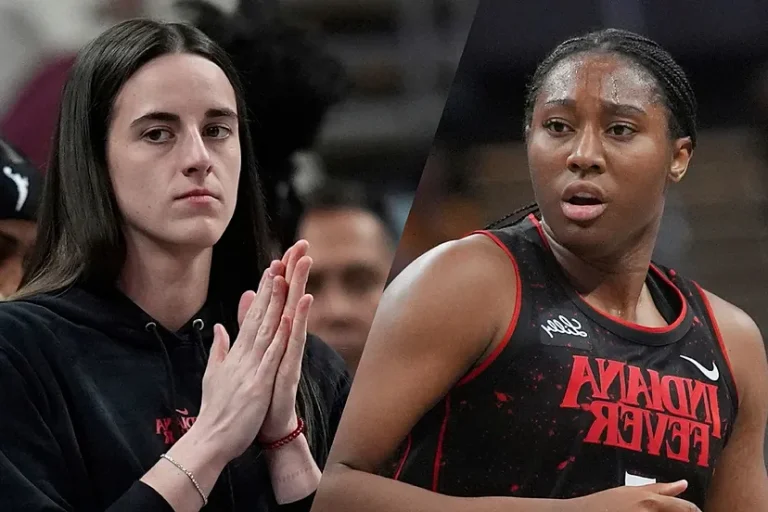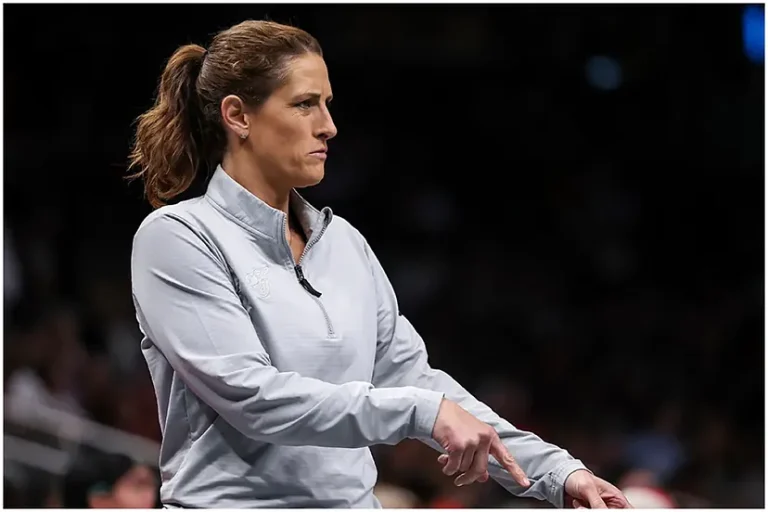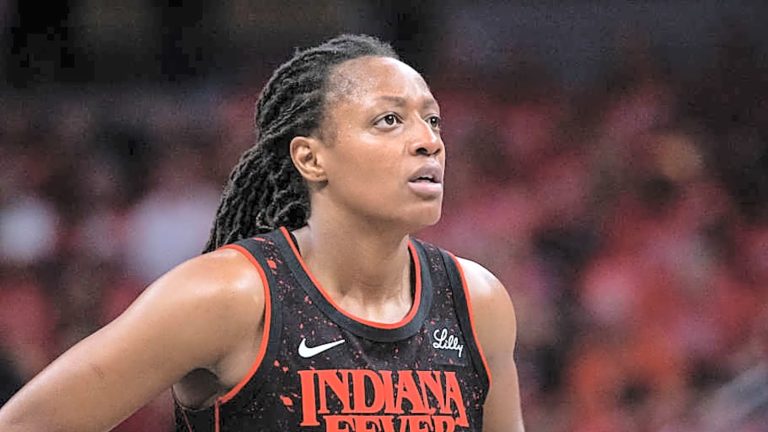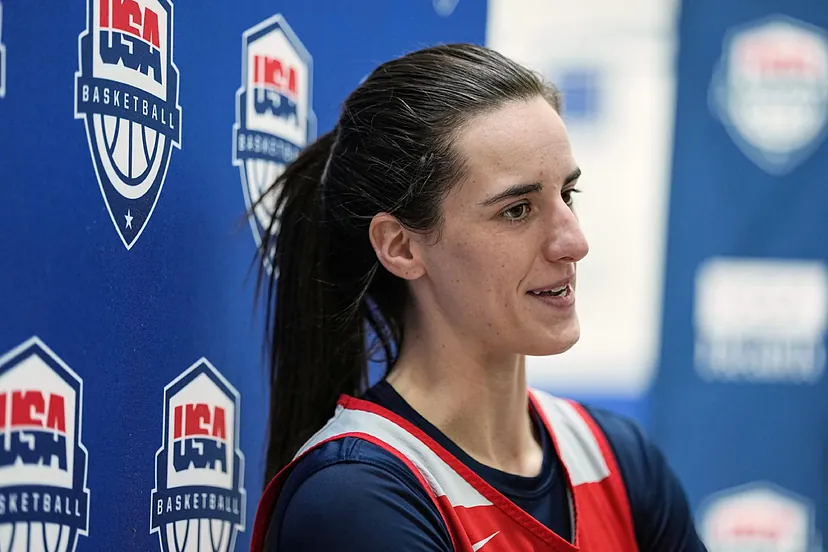
The current situation stems from the players’ decision to opt out of the previous CBA in October 2024, a move that opened the door to more than a year of negotiations. Since then, discussions have focused on how the league’s rising revenues should be shared and how player compensation should evolve. Caitlin Clark WNBA CBA negotiations have drawn extra attention because Clark represents a new era of star power that has driven increased viewership, attendance, and sponsorship interest. Players believe the economic structure of the league must now reflect that growth.
At the center of the debate is revenue sharing. The WNBPA is reportedly pushing for players to receive 30 percent of gross league revenue, a significant increase from the current model. Alongside that proposal is a suggested team salary cap of around 10.5 million dollars, which would dramatically raise average and maximum salaries. League officials, led by commissioner Cathy Engelbert, have expressed concern about whether such figures are sustainable in the long term. The disagreement over gross versus net revenue calculations remains one of the biggest obstacles to a deal.
Recent salary data highlights why players are pressing for change. Last season, the highest paid WNBA players earned just under 250,000 dollars, while minimum salaries were roughly 66,000 dollars. The average base salary sat slightly above 100,000 dollars, numbers that many players feel no longer match the league’s visibility and commercial growth. Caitlin Clark WNBA CBA negotiations have amplified these concerns, as Clark’s popularity has helped bring new fans and media attention to the league. Players argue that their compensation should reflect their role in expanding the WNBA’s profile.
Despite the approaching deadline, both sides have signaled a willingness to keep negotiating even if a new agreement is not finalized immediately. Breanna Stewart, a vice president of the WNBPA, has publicly stated that an agreement is unlikely to be reached by the deadline but emphasized continued good faith talks. This suggests that the league could move forward with preparations for the 2026 season while negotiations continue. For fans, this means games are still expected to start on time, even if labor issues remain unresolved behind the scenes.
The players’ recent vote to authorize a potential strike adds another layer of pressure. With more than 90 percent approval, the vote was framed as leverage rather than an immediate threat. It signals unity among players and underscores how strongly they feel about securing a fairer economic model. In the context of Caitlin Clark WNBA CBA negotiations, this unity reflects a broader belief that the league’s financial success must be shared more equitably. Still, neither side appears eager to disrupt the season unless absolutely necessary.
These negotiations also come at a critical moment for the league’s expansion plans. New franchises in Portland and Toronto are scheduled to join in 2026, marking a major step forward for the WNBA. Ongoing labor uncertainty could complicate those plans, especially when it comes to budgeting, staffing, and long term planning. The outcome of Caitlin Clark WNBA CBA negotiations will likely influence how smoothly the league can manage this expansion while maintaining momentum with fans and sponsors.
Comment Section Prompt
What do you think this negotiation could mean for the WNBA heading into the 2026 season?
About the Author