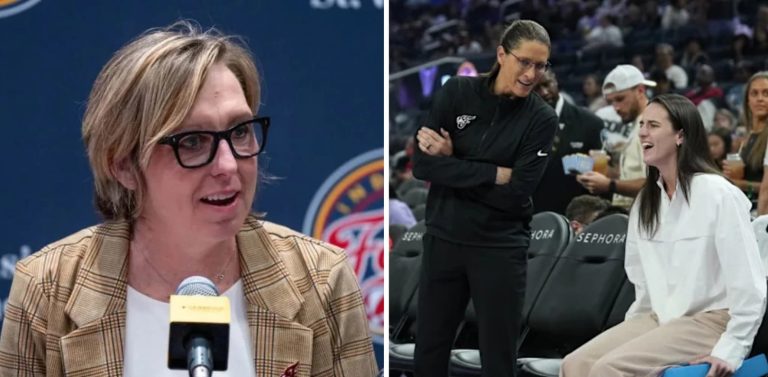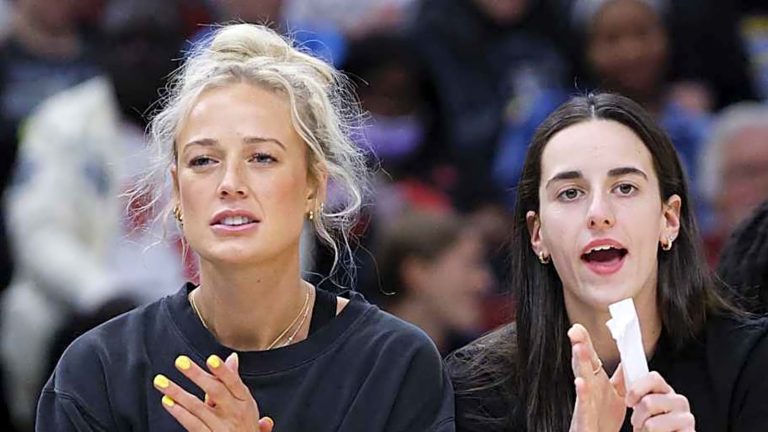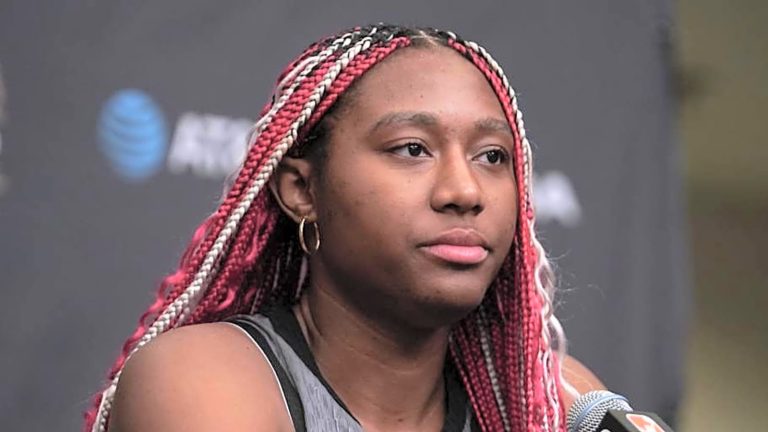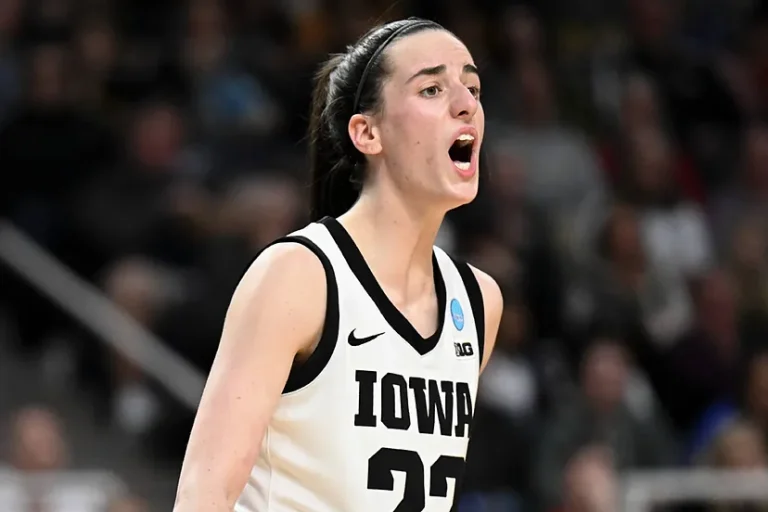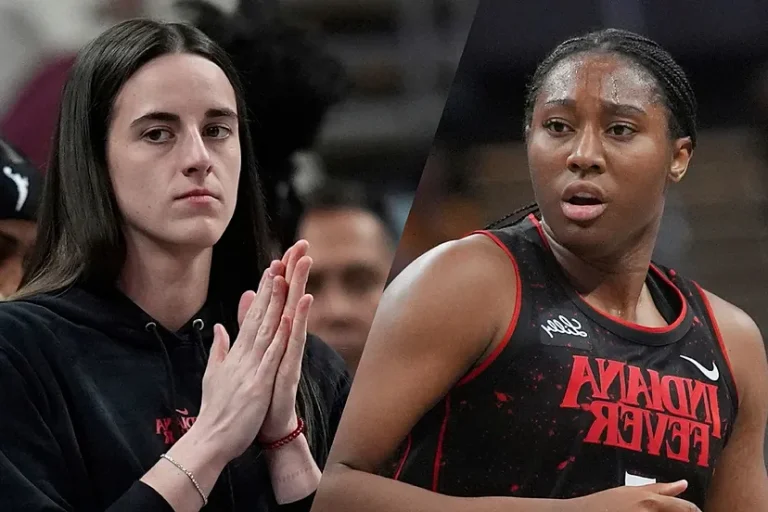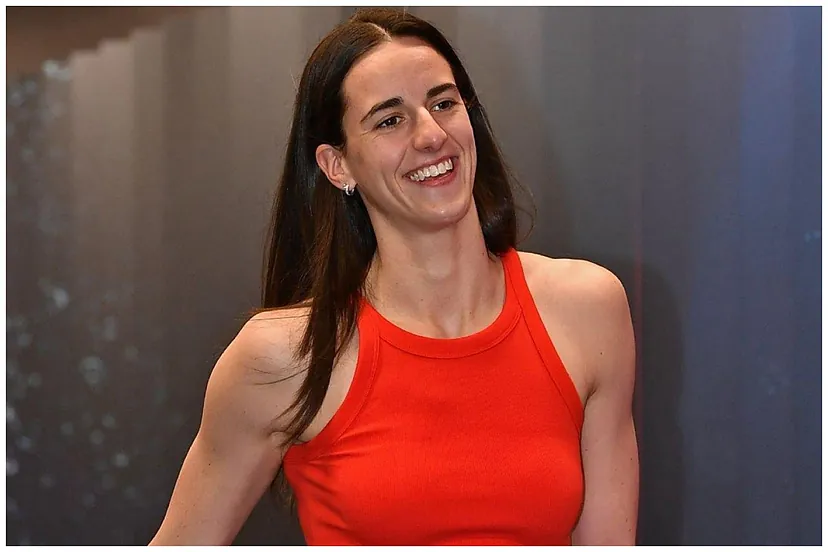
The current negotiations follow a period of unprecedented visibility for the WNBA. Attendance, television ratings, and merchandise sales surged, with Caitlin Clark emerging as one of the league’s most influential figures. During this growth phase, fans largely sided with players who argued that compensation had not kept pace with the league’s expanding audience. The Caitlin Clark WNBA public support narrative was overwhelmingly positive, fueled by the belief that players were finally being recognized for their impact.
Rebecca Lobo pointed out that this unity was especially evident during events like the All Star Weekend in Indianapolis, when players wore shirts demanding fair pay. That moment resonated because it felt measured and relatable to fans who understood the league’s history of underpayment. According to Lobo, the emotional clarity of that message helped players maintain credibility while applying pressure on league leadership.
As talks have dragged on, the discussion has shifted. Reports indicate the league proposed significant salary increases, including a substantial rise in average and maximum salaries. While players countered with demands tied more closely to gross revenue, Lobo expressed concern that calling such offers a slap in the face may alienate average fans. The Caitlin Clark WNBA public support issue is not about whether players deserve more, but whether the messaging still aligns with public perception.
Lobo emphasized that many fans do not view six or seven figure salaries through the same lens as professional athletes. For supporters juggling everyday expenses, hearing those figures described negatively can create distance rather than empathy. This does not mean fans oppose revenue sharing or long term financial equity. It means they respond to framing that feels proportional and grounded in shared reality.
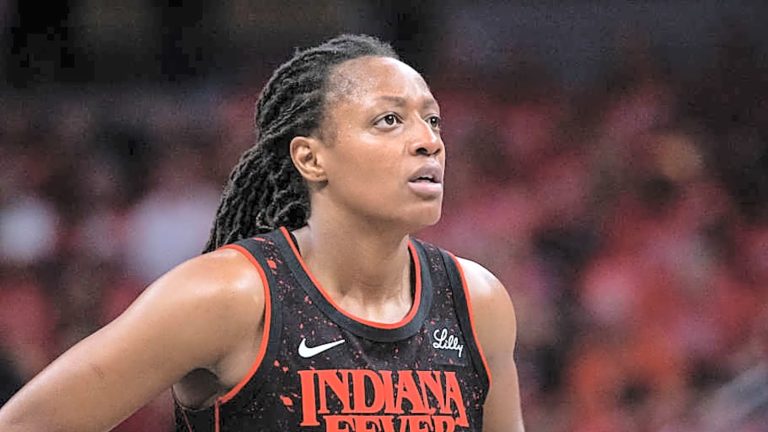
The Indiana Fever, led by Clark, sit at the center of this discussion because of their visibility and influence. Clark’s presence has brought new audiences to the league, many of whom are still forming opinions about WNBA labor issues. How these fans interpret player statements could shape long term engagement. If messaging feels dismissive or overly aggressive, it risks weakening the connection that has driven recent growth.
From a league perspective, public sentiment matters. Television partners, sponsors, and media coverage are all influenced by fan opinion. A prolonged dispute paired with declining goodwill could slow momentum at a time when the WNBA is trying to establish stability and profitability. The Caitlin Clark WNBA public support dynamic therefore extends beyond one player and reflects a broader challenge facing the league.
Comment Prompt
Do you think player messaging is affecting fan support during the WNBA negotiations?
About the Author