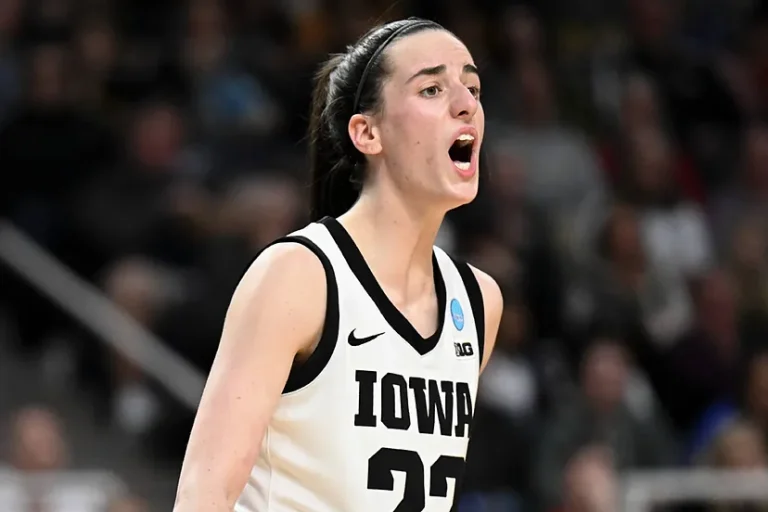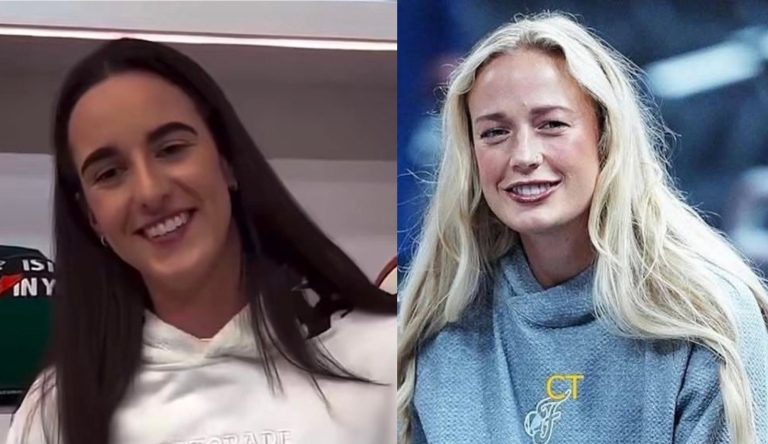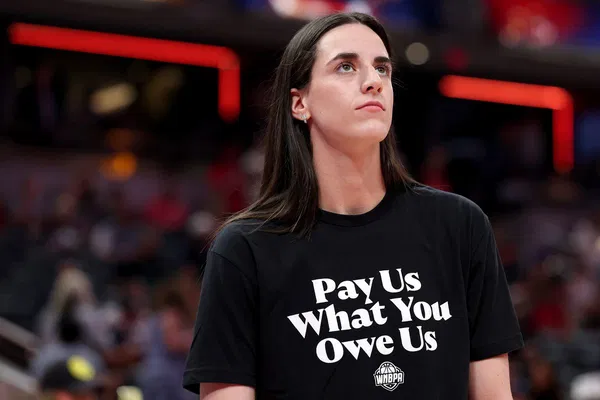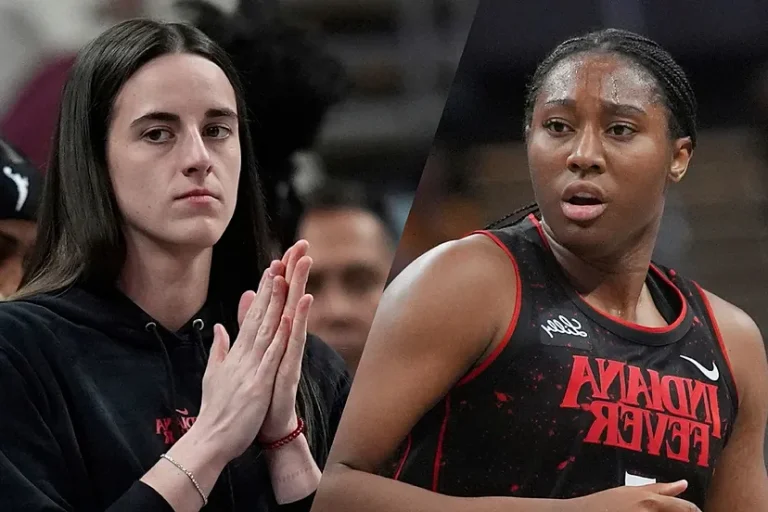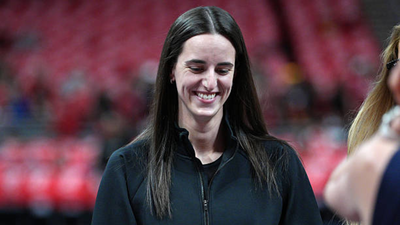
The Caitlin Clark WNBA spotlight tension has become a defining conversation in women’s basketball as the league navigates rapid growth and public scrutiny. After the WNBA deleted an Instagram post celebrating Clark’s NBA broadcasting appearance, debate erupted about how star power should be recognized in a league built on collective history and progress. Former ESPN anchor Elle Duncan addressed the issue directly, arguing that celebrating one player does not mean ignoring those who came before her. This moment reflects a broader challenge for the WNBA as it balances honoring legacy with embracing modern visibility.
Main Content Body
Caitlin Clark’s rise has been one of the most impactful developments in recent WNBA history. Her transition from college stardom to professional influence has brought unprecedented attention from national media, corporate partners, and fans who may not have previously followed women’s basketball. The league has benefited from increased viewership and discussion, but that growth has also exposed sensitive fault lines about recognition and fairness. The controversy surrounding the deleted Instagram post shows how quickly praise can turn into debate when visibility is unevenly perceived.
The backlash centered on whether celebrating Clark’s NBA broadcasting appearance diminished the contributions of other players and pioneers of the game. Some fans viewed the post as another example of the league favoring one star over the collective identity of women’s basketball. Others argued that showcasing Clark’s media opportunities highlights progress and normalizes WNBA players appearing in mainstream sports spaces. This disagreement illustrates how difficult it can be for leagues to present success stories without triggering concerns about representation and balance.
Elle Duncan’s response reframed the discussion by separating celebration from historical erasure. She explained that recognizing one exceptional athlete does not require redistributing praise to every player who paved the way. Her perspective emphasized that growth often demands clarity rather than compromise in messaging. The idea that star recognition must always be paired with equal acknowledgment of the past can unintentionally place conditions on praise, which rarely exists in men’s sports at the same level.
The Caitlin Clark WNBA spotlight tension also highlights how social media has become a central arena for sports narratives. Platforms like Instagram now function as both promotional tools and public forums for debate. When the WNBA removed the post, it signaled how sensitive the league is to public reaction and how quickly perception can influence communication strategies. This creates pressure on the league to carefully manage messaging while still promoting players who drive engagement and revenue.
For the WNBA, the challenge moving forward is establishing a framework where individual stardom and collective legacy coexist. Clark’s popularity is not just about her performance on the court but about her role in expanding the league’s audience. If managed correctly, this attention can elevate the entire sport rather than divide it. The conversation is less about whether Clark should be celebrated and more about how the league defines success in an era of increased exposure.
Conclusion
This situation shows that the WNBA is entering a new phase where visibility brings both opportunity and discomfort. The Caitlin Clark WNBA spotlight tension reflects deeper questions about identity, progress, and the future of women’s basketball. As the league continues to grow, the way it celebrates stars will shape how fans understand its values and direction. What matters most is creating space for recognition that supports both individual excellence and the collective story of the sport.
Comment Prompt
Do you think the WNBA should celebrate individual stars more openly, or should it always balance praise with its broader history?
About the Author