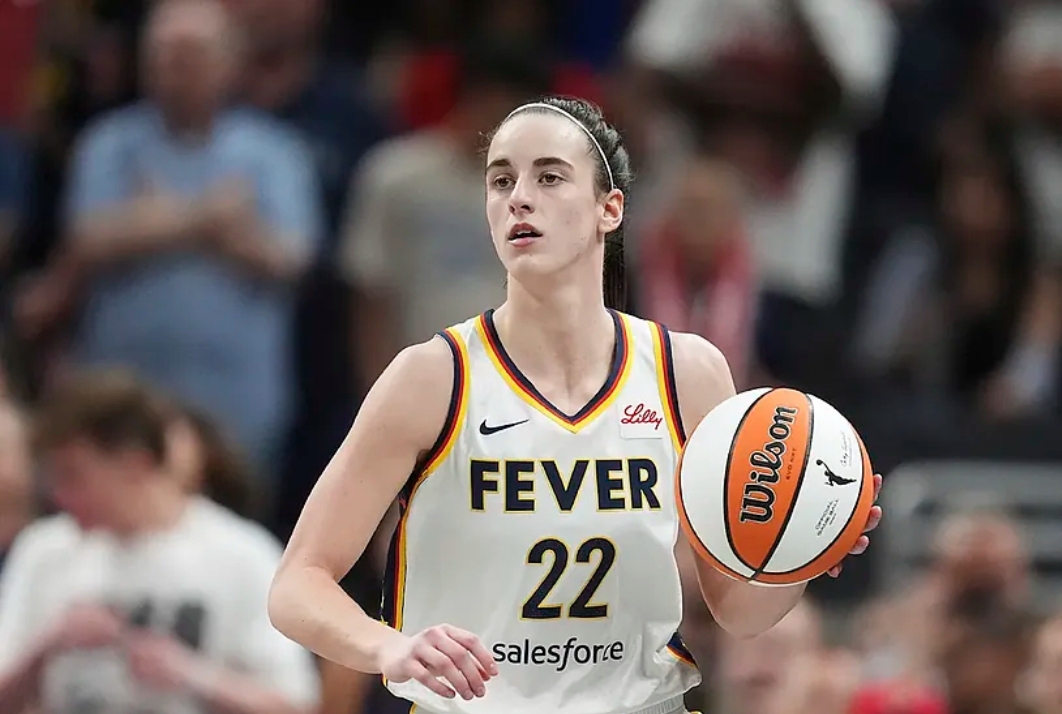
The WNBA is entering one of its most unpredictable moments in years and Caitlin Clark is right at the center of it. With the league’s collective bargaining agreement pushed into yet another extension, fans, players, and even new franchise owners are facing a long list of unanswered questions. The future of star players, including Clark, now feels more uncertain than ever as negotiations stretch into the new year.
Caitlin Clark’s rookie season helped spark unprecedented attention for the WNBA, but that momentum now collides with stalled CBA progress. The WNBPA and the league agreed to extend negotiations until January 6 after the initial thirty day extension delivered little movement. According to reports, the new proposal could push top salaries above one point one million dollars, but player representatives argue that the offer still falls short of true long term financial security. Much of the frustration comes from the salary structure itself, which includes a base figure around eight hundred thousand dollars rather than a clear and consistent salary increase supported by revenue sharing.
The WNBPA has made it clear that players want a system that rewards growth. Sources note that the league’s offer lacked essential revenue sharing elements that players believe are necessary for the sport’s future. While extensions like this one are common in major sports leagues, they also create a sense of limbo. Players cannot finalize future plans, teams cannot build rosters, and fans are left wondering what comes next.
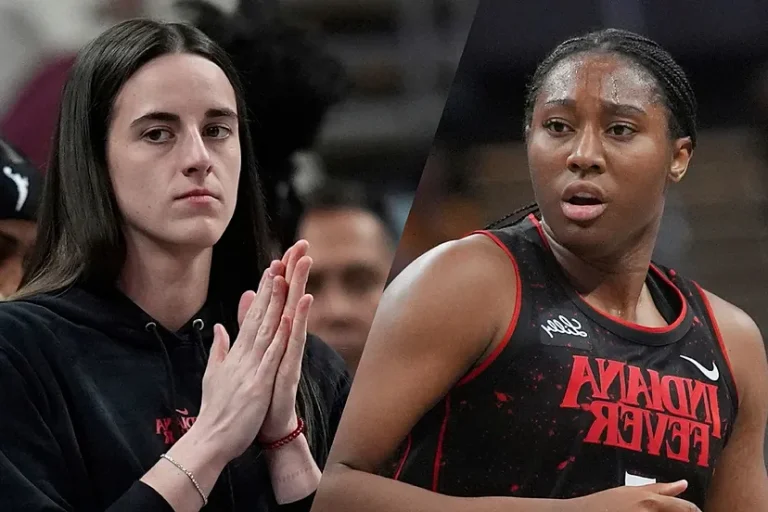
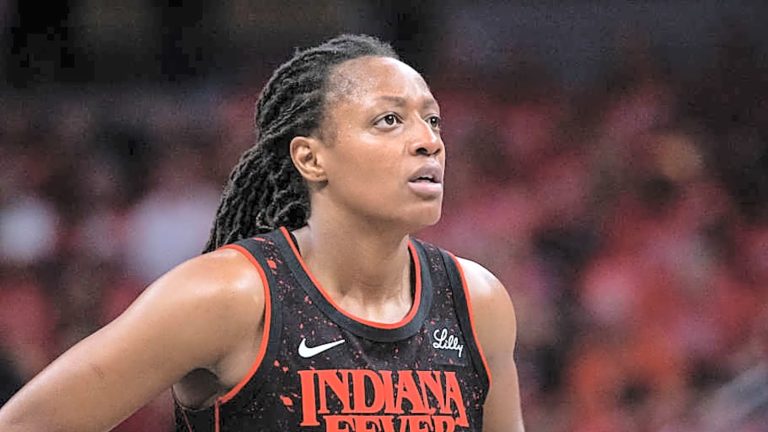
The uncertainty is especially significant for stars like Clark, Aja Wilson, and Napheesa Collier. Free agency usually begins in January, but without a new CBA, top athletes may weigh their options with competing leagues offering more money and even equity. Project B has already attracted several players with two million dollar contracts and ownership packages, something the WNBA has never offered. The longer negotiations drag out, the more tempting alternative leagues become.
Expansion teams are also feeling the strain. Toronto Tempo and Portland’s incoming franchise still cannot properly plan for their first seasons. Toronto paid fifty million dollars for its expansion rights, while Portland invested one hundred twenty five million dollars including a new practice facility. With future expansion fees projected to climb above two hundred fifty million dollars, team owners need clarity to make smart financial decisions. Instead, they are stuck waiting on an agreement that once again missed its original deadline.
Despite the tension, both the league and the players insist they are committed to finding the right deal. The stakes continue to grow as the WNBA aims for long term stability while athletes push for pay that reflects their value. The final outcome will shape not only Clark’s path but also the direction of women’s basketball for years to come.
Comment Invitation
What do you think about the stalled CBA talks? Do you believe Caitlin Clark will stay in the WNBA long term? Share your thoughts in the comments.
About the Author