As the deadline for a new collective bargaining agreement approaches, the WNBA finds itself under intense pressure. Talks between the league and the players union remain unresolved, with fewer than three weeks left to find common ground. Players are increasingly vocal about what they see as an unfair financial structure that prioritizes league stability over fair compensation. This growing unrest has fueled fears of a potential strike that could impact the 2026 season.
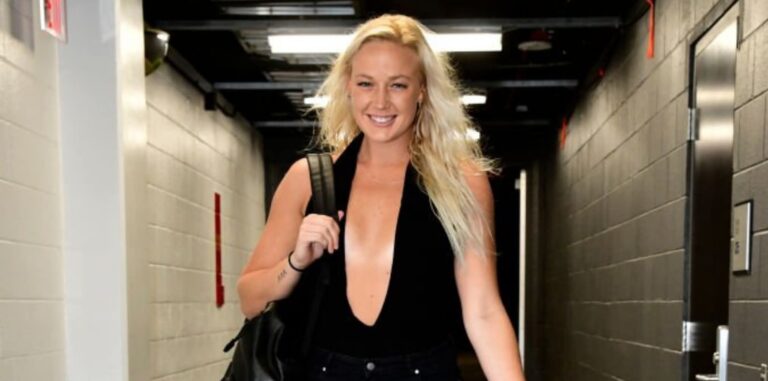
Minnesota Lynx guard Courtney Williams has emerged as one of the most outspoken critics during this period. Speaking during a StudBudz livestream, Williams accused the league of placing its own financial interests ahead of the players. She claimed that once the league pays itself first, less than thirty percent of revenue remains available for player salaries. According to Williams, this system leaves players fighting over a shrinking share despite the league’s continued growth.
Williams also expressed concern about long term salary stagnation across the league. She argued that under the current proposal, player earnings would remain capped at levels that do not reflect future revenue increases. Even if the league grows significantly over the next several years, players could see little to no improvement in their compensation. This has intensified frustration among veterans who believe they are being asked to sustain the league without sharing in its success.
At the heart of the dispute is how revenue should be shared between the league and its players. The league’s proposal reportedly limits which revenue streams are eligible for sharing, reducing the overall pool available to athletes. Over time, this could lead to players receiving a smaller percentage of total earnings even as the WNBA becomes more profitable. Critics argue that such a model undermines trust and fails to reward those who drive fan engagement and viewership.
In response, the players union has presented an alternative proposal focused on transparency and fairness. Their plan would base the salary cap on total league revenue from the previous season, rather than a restricted portion. After covering benefits like housing, transportation, and medical care, the remaining funds would be evenly distributed across teams. The union is also calling for mandatory audits to ensure accurate reporting and accountability.
Under the union’s proposal, players would begin with a revenue share of twenty nine percent, with gradual increases reaching thirty four percent by the final year of the agreement. Supporters believe this structure better reflects the league’s growth and the players’ contributions. However, the league has not yet accepted these terms, leaving negotiations at a standstill. As the deadline nears, the possibility of a work stoppage continues to loom.
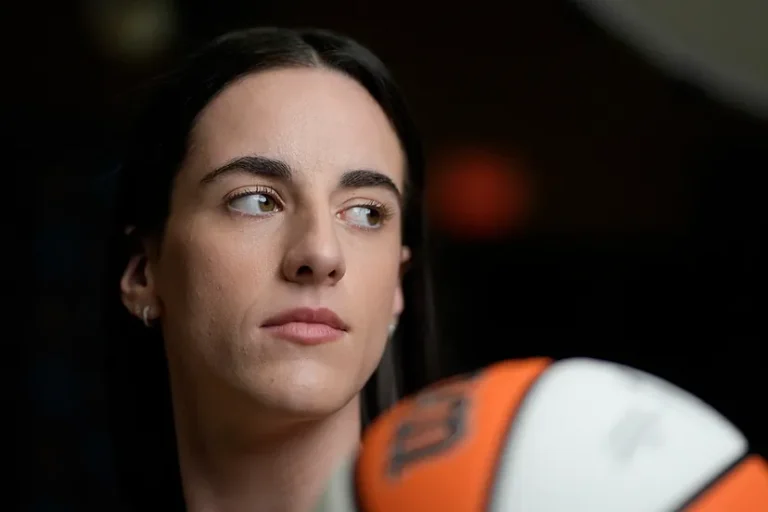
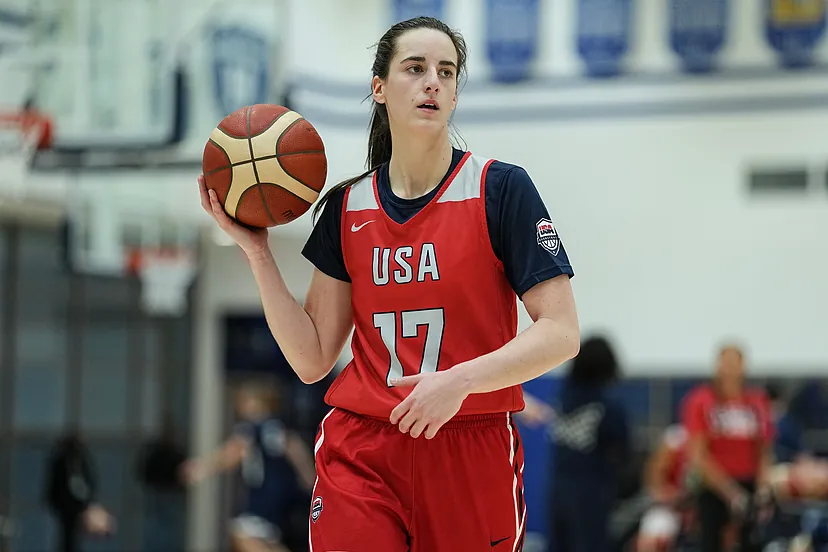
While veteran players have taken the lead in negotiations, younger stars are also paying close attention. Caitlin Clark, one of the league’s most visible and influential players, has acknowledged the seriousness of the situation. Speaking at her first Team USA training camp, Clark emphasized the importance of protecting the momentum the league has built. She recognized that while basketball must continue, players also need to fight for what they deserve.
Clark’s comments reflect a careful balance between advocacy and responsibility. She understands that the WNBA is experiencing unprecedented attention and growth, driven in part by rising stars like herself. At the same time, she recognizes that failing to address pay inequities could threaten that progress. Her words suggest a desire to see the league thrive without sacrificing fairness for the athletes who make it possible.
The current standoff represents a defining moment for the WNBA. How the league and the players union resolve this dispute could shape the future of women’s professional basketball for years to come. A fair agreement could strengthen trust and ensure sustainable growth, while prolonged conflict risks damaging fan confidence. With the clock ticking, all eyes are on whether both sides can find common ground before the season and the league itself are put at risk.
Comment Section Prompt
Do you think the WNBA should increase player revenue sharing, or is the league right to protect its financial structure first? Share your thoughts in the comments.
About the Author