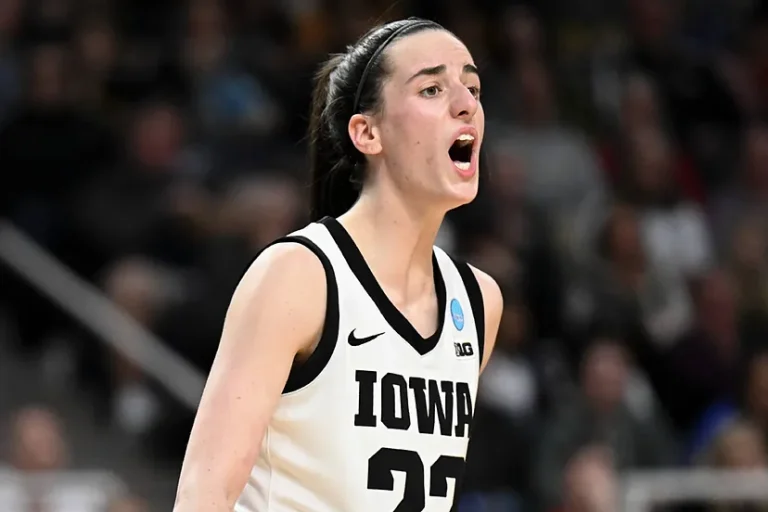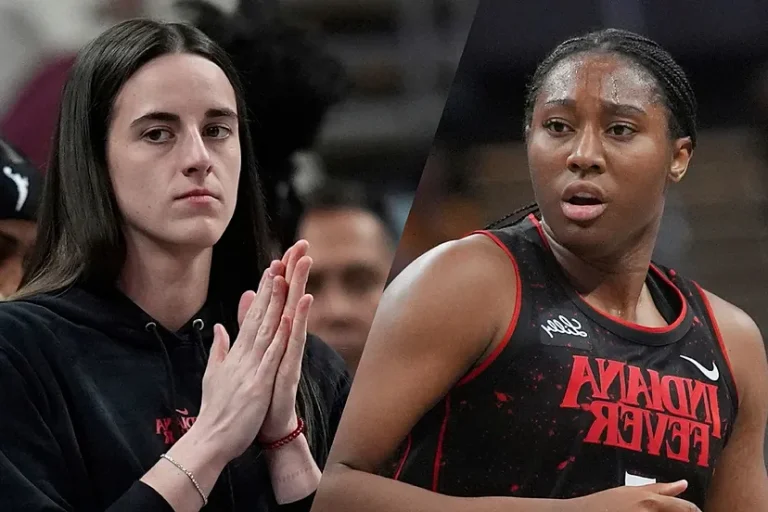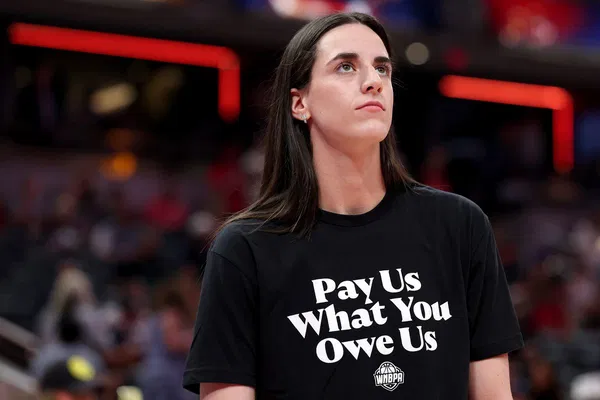
Caitlin Clark has become one of the most recognizable faces in women’s basketball. Since joining Nike in 2022, her elite shooting and playmaking ability have helped boost the league’s visibility. Yet, as the Forbes Intel breakdown shows, her growing fame has not translated into comparable financial rewards. The disparity in earnings compared to athletes in other emerging sports like pickleball highlights the challenges the WNBA faces in expanding player compensation.
The WNBA has seen increasing popularity over the past few years, but salaries remain limited compared to men’s professional sports and other professional leagues. According to Forbes, Clark’s current salary of $76,535 is more than 40 times less than Waters’ projected earnings in pickleball. The WNBPA has pushed for improvements in revenue sharing, salary caps, and other collective bargaining points, emphasizing that the current salary structure does not match the league’s growth or player contribution.
The Forbes Intel breakdown highlights broader implications for the WNBA. The moratorium agreed upon during ongoing CBA negotiations delays free agency and contract discussions, affecting teams’ offseason plans. It also shows that high-profile players like Clark are raising awareness about these gaps. By drawing attention to the differences between her earnings and those of athletes in other sports, the report puts pressure on league executives to consider more equitable pay structures in the near future.
Fans should anticipate continued developments in WNBA negotiations as the 2026 season approaches. The Forbes Intel breakdown suggests that high-visibility players will remain central to conversations about league growth and salary reforms. Teams, including the Indiana Fever, will need to navigate the moratorium while also preparing for matchups that feature top talent such as Clark. Observers can expect incremental progress in player compensation as the league responds to growing fan interest and commercial opportunities.
The Forbes Intel breakdown underscores a critical issue in the WNBA: the growing visibility of stars like Caitlin Clark has not yet been matched by their earnings. As the league and WNBPA continue negotiations, these disparities will remain a focus for fans, players, and analysts alike. Understanding the context behind these salary differences helps fans appreciate the challenges and potential reforms within the WNBA.
Comment Section Prompt
What do you think this means for Caitlin Clark and the WNBA’s future salary landscape?
About the Author