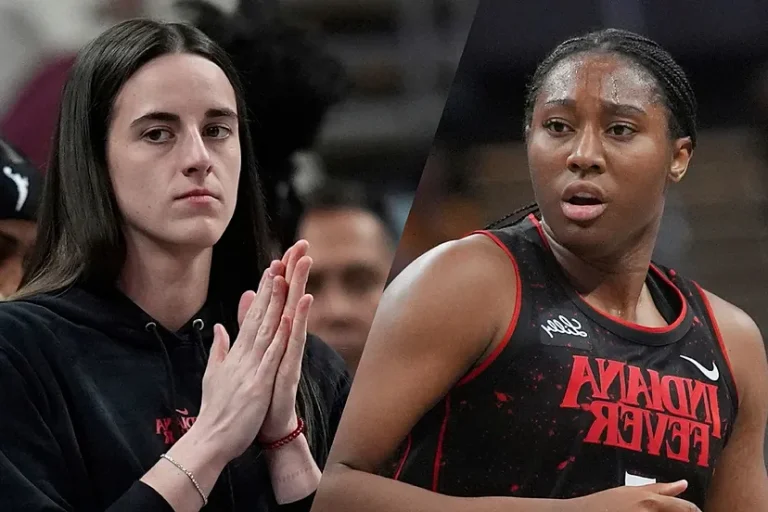
Indianapolis was recently alive with celebration—the streets lit up during the WNBA All-Star Weekend and the powerful return of the Indiana Black Expo. But now that the music has faded and the crowds have gone, a different conversation is taking center stage. Local youth leaders aren’t satisfied with brief moments of unity and joy—they want lasting progress that reaches deep into their communities. And they’re not staying silent about it.
The recent downtown events gave Indianapolis a rare burst of national spotlight and energy. Thousands came out to celebrate Black excellence, women’s sports, and cultural pride. But as the final cheers echoed away, young community organizers began speaking out. To them, these events were powerful—but temporary. The energy, they say, must be redirected toward everyday struggles that continue long after the guests leave.
Young leaders across Indianapolis are voicing concerns that flashy weekends do little to solve the root issues plaguing their neighborhoods—poverty, limited opportunities, underfunded schools, and violence. While they celebrate the success of these events, they stress the importance of not letting them become the only times the city shows support. They want consistency, not just seasonal attention.
What would real progress look like? According to these activists, it begins with action—community-driven policies, youth investment, mental health support, and job access. They’re pushing for city leaders and event organizers to partner with grassroots movements that continue working when the lights aren’t on. These voices are not looking for charity—they’re calling for change built on equity and respect.
The silence after big events highlights a painful truth: many residents feel forgotten once the buzz dies down. Youth organizers are challenging that narrative by staying loud, visible, and focused. They want the same effort put into party planning directed toward problem solving. The message is clear—Indianapolis deserves more than just a weekend of celebration; it needs a future of opportunity.
Now, as the city returns to routine, young people are holding everyone accountable. Their goal? To transform Indianapolis into a place where attention isn’t seasonal and progress isn’t symbolic. They’re asking community members, businesses, and institutions to step up—and stay involved. Because when the celebrations end, that’s when the real work begins.
Comment Section
What do you think Indianapolis needs most to create lasting change? Share your thoughts in the comments—we’d love to hear from you.
About the Author