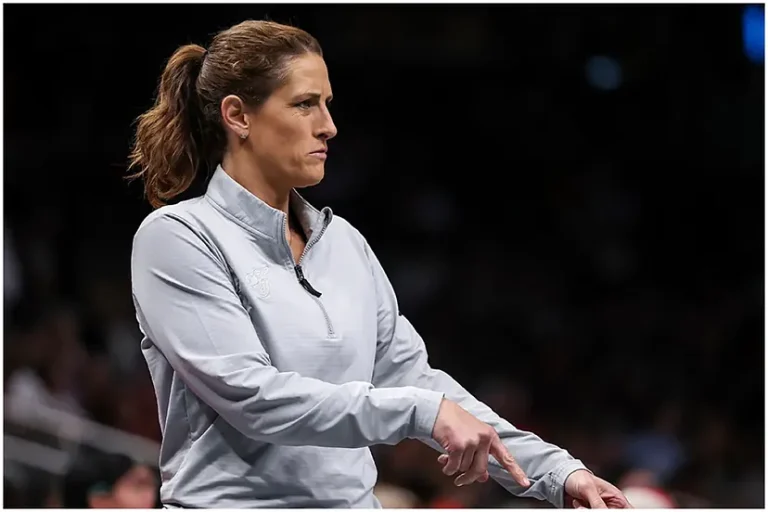
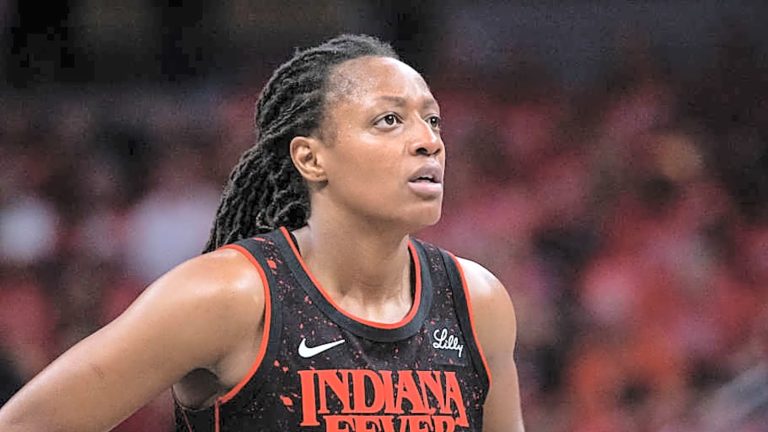
The Indiana Fever’s playoff exit in late September 2024 sparked an unexpected firestorm when the Women’s National Basketball Players Association (WNBPA) released a pointed social-media statement condemning veteran sportswriter Christine Brennan. The union argued that Brennan’s line of questioning toward Connecticut Sun guard-forward DiJonai Carrington—posed just 36 hours after the season ended—encouraged “racist, homophobic, and misogynistic” rhetoric online. Two hours later, USA Today Sports Executive Editor Roxanna Scott publicly defended Brennan, emphasizing the paper’s commitment to unbiased reporting and reminding followers that asking tough questions is central to journalism.
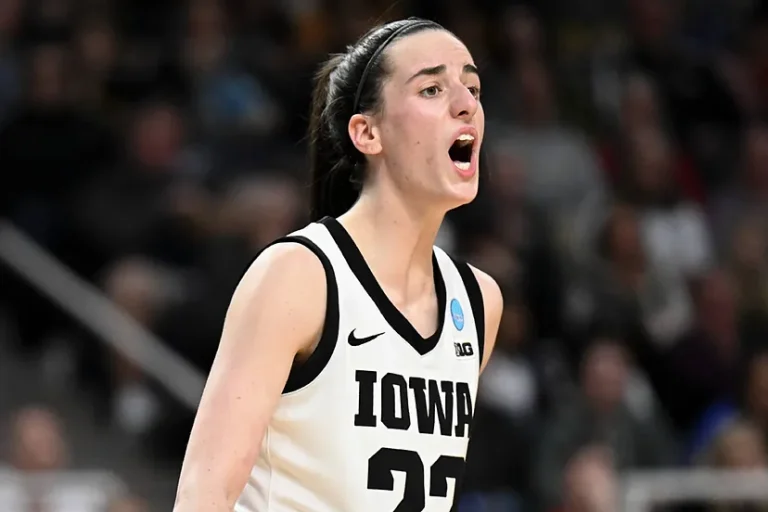
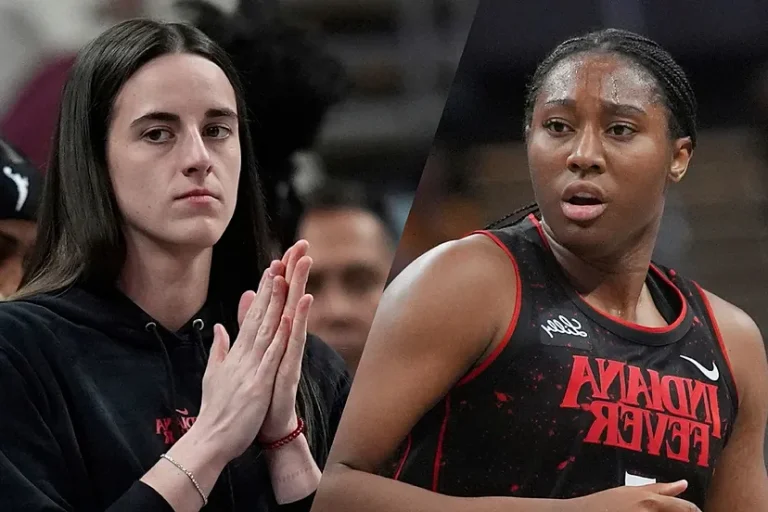
The uproar traced back to September 24, between Games 1 and 2 of the Fever–Sun first-round series. Viral clips showed Carrington’s fingers grazing rookie sensation Caitlin Clark’s eye, fueling speculation that the contact was intentional. On an otherwise empty floor at Mohegan Sun Arena, Brennan asked Carrington directly whether she meant to strike Clark and whether she later laughed about the play with teammate Marina Mabrey. Carrington denied any malice and insisted she hadn’t realized she hit Clark. Brennan posted the exchange online—where it drew millions of views—while another reporter soon asked Clark if she believed the play was deliberate; Clark dismissed that notion with a laugh.
Tensions swelled minutes later when Sun veteran DeWanna Bonner confronted Brennan courtside, accusing her of disrespecting Carrington. Brennan attempted to explain that the questions gave Carrington a platform to set the record straight, but Bonner walked away unresolved. That evening a WNBA official privately told Brennan her inquiries were neither rude nor inappropriate and lamented that many players had little experience with “real” media scrutiny after leaving college programs that shielded them from probing coverage.
The next morning—the day Carrington was named the league’s Most Improved Player—emotions boiled over again. In the arena’s catering area, Carrington loudly accused reporters of “talking trash” about her partner, Fever forward NaLyssa Smith, after overhearing a discussion about a potential lineup change. Although witnesses maintained no one had insulted Smith, Carrington’s outburst prompted Sun staffers and teammate Mabrey to usher her away. Smith later confronted Brennan in a back hallway, calling the account a lie. League and team communications officials recorded statements from all parties as they tried to de-escalate the misunderstanding.
When the WNBPA publicly suggested Brennan’s credentials be revoked, reaction across sports media was swift and polarized. Supporters argued the episode revealed how women’s sports still grapple with equal treatment—true parity, they said, means fielding and answering tough questions like any other pro league. Critics labeled Brennan’s approach insensitive to the racial dynamics that often shape WNBA discourse. Prominent voices—from Megan Rapinoe to Poynter’s Tom Jones—either scolded or praised Brennan, but almost everyone agreed on one point: the rapidly growing WNBA now stands at a crossroads, learning in real time how to balance athlete protection, media freedom, and the public’s insatiable appetite for behind-the-scenes drama.
About the Author