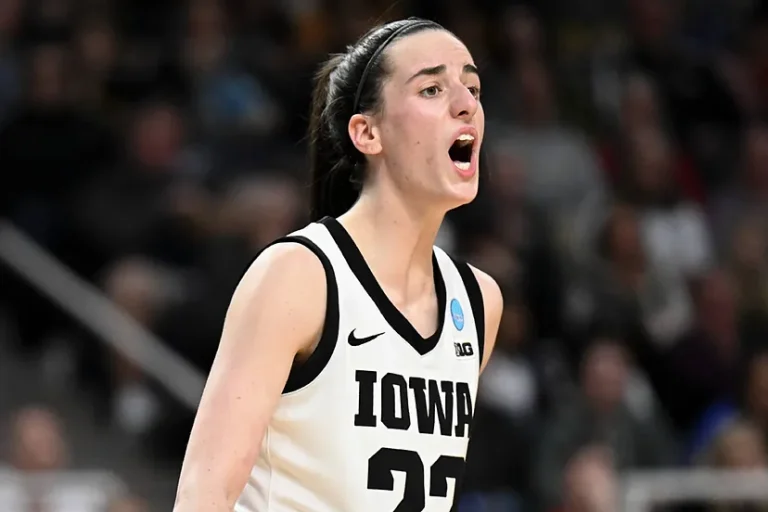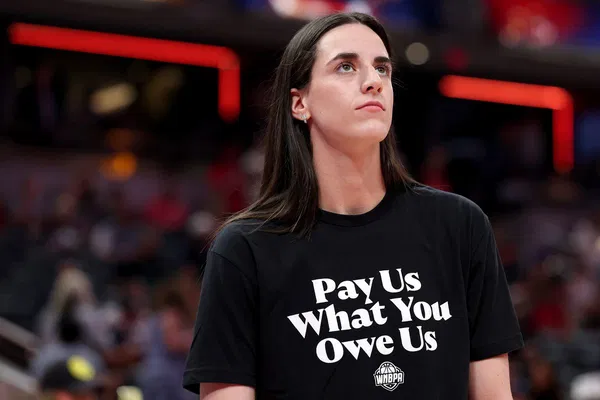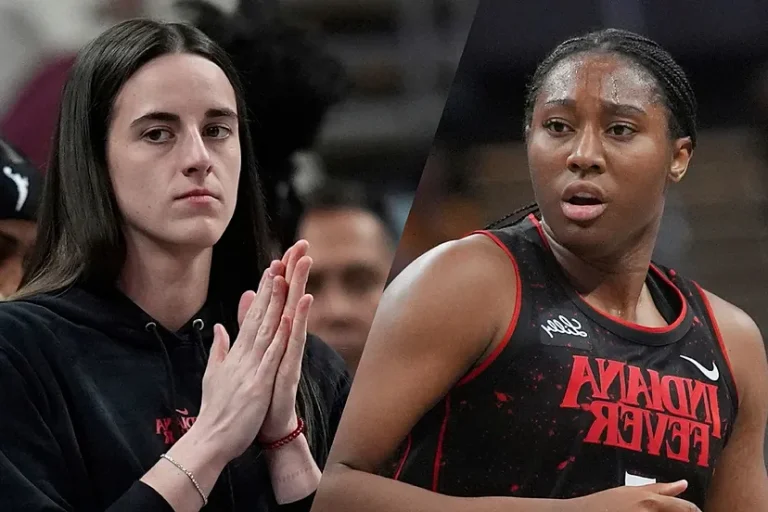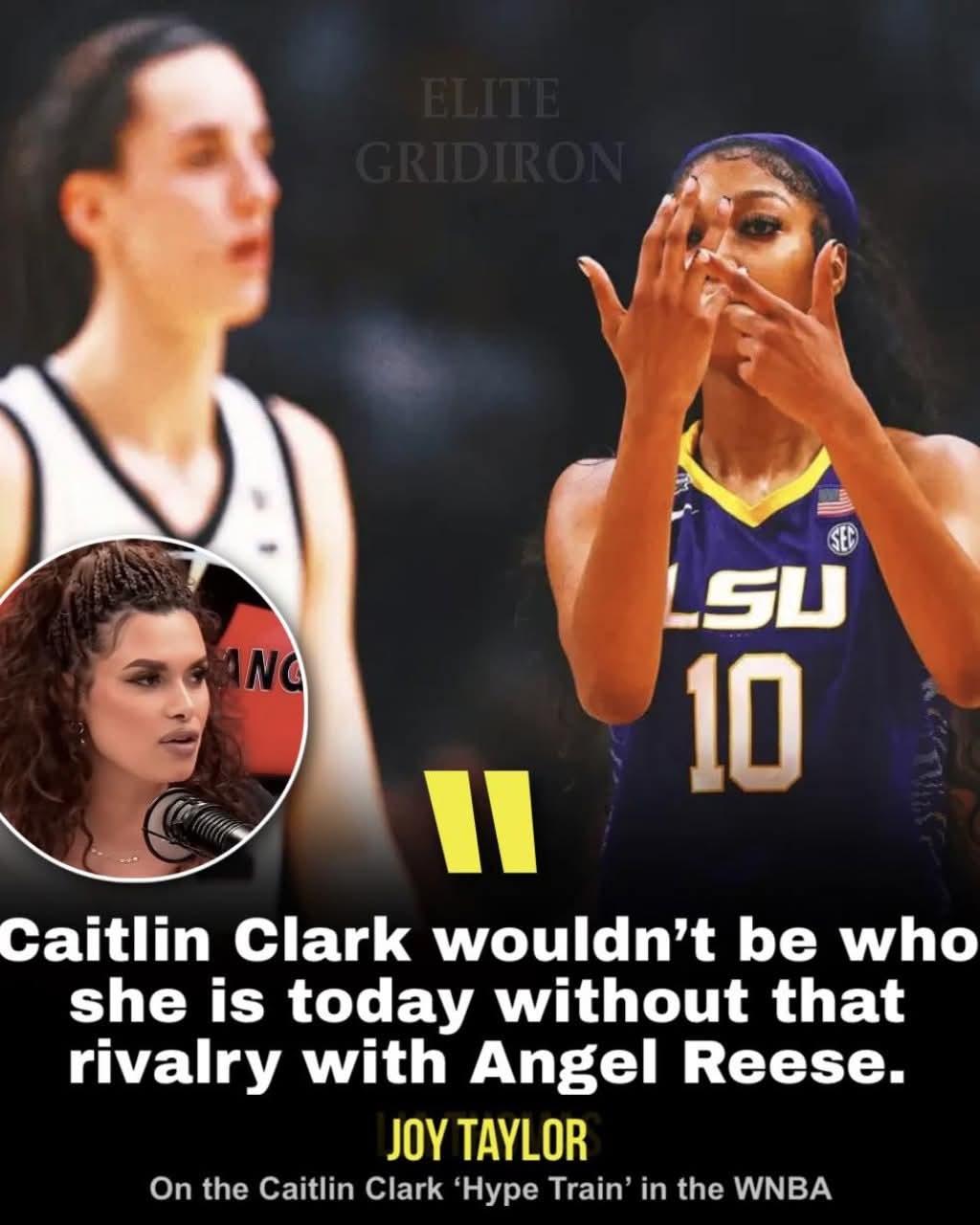
Joy Taylor’s recent comment that “Caitlin Clark is a star—just remember who helped her shine” has set social media ablaze. The outspoken analyst insists that Clark’s meteoric ascent cannot be separated from her spirited clashes with Angel Reese, the LSU standout who often found herself cast as Clark’s foil.
Taylor contends that their on-court duels injected high-voltage drama into women’s basketball, drawing new eyeballs and headlines that might otherwise have overlooked Clark’s brilliance. In her view, Reese’s swagger and willingness to meet fire with fire supplied the narrative tension that pushed Clark from standout to sensation.
The take has split basketball fans into rival camps. Supporters of Clark argue she would have broken through on talent and work ethic alone, pointing to her record-shattering scoring sprees and clutch performances. Others echo Taylor, saying the rivalry offered a ready-made storyline that media outlets, highlight reels, and casual viewers couldn’t resist.
Regardless of which side proves right, one fact remains: the conversation has only intensified interest in both athletes and the women’s game at large. As debates ripple across TV panels and comment threads, Clark, Reese, and the sport itself continue to benefit from the spotlight—and the discourse shows no signs of cooling off.
About the Author