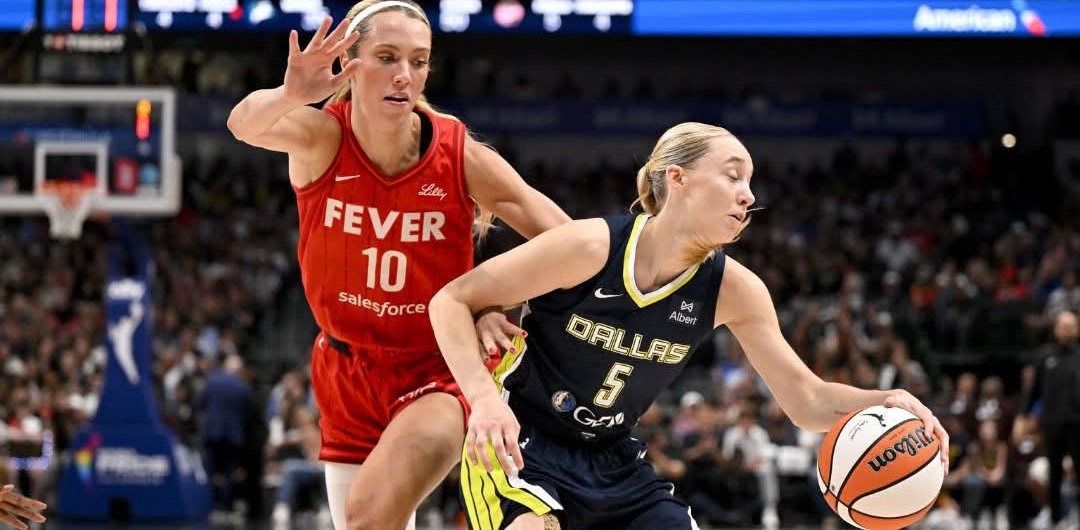
The context surrounding this matchup matters because Paige Bueckers is widely viewed as one of the most complete offensive players in women’s basketball. Her ability to score at all three levels and create for teammates often forces defenses into constant adjustments. Lexie Hull entered the game with a different task, one focused on effort, positioning, and awareness rather than stopping every shot. That approach defined how the matchup played out and why the reaction online changed so quickly.
In the opening stretches, Lexie Hull defense against Paige Bueckers was built on denying comfort rather than chasing highlights. Hull stayed attached off the ball, fought through screens, and forced Bueckers to work deeper into the shot clock. These details rarely show up in basic stat lines, but they impact timing and spacing. Bueckers still made plays, but they required more energy and fewer came in rhythm compared to her usual flow.
Hull’s defensive value has always been rooted in consistency and preparation. She reads offensive tendencies well and rarely overcommits, which is critical against a player as skilled as Bueckers. Instead of gambling for steals, Hull focused on angles and recovery, forcing contested attempts and limiting clean looks. This kind of defense does not eliminate scoring, but it raises the degree of difficulty across an entire game.
The broader game narrative leaned heavily toward Chelsea Gray’s 37 point performance, and rightly so given the scoring display. However, basketball games are shaped by more than one storyline. While Gray controlled the offensive spotlight, Hull’s work on the perimeter helped stabilize defensive possessions that could have swung momentum. By preventing extended scoring runs from Bueckers, Hull helped keep the overall structure intact.
Lexie Hull defense against Paige Bueckers also highlighted a growing trend in the league where role clarity enhances overall team effectiveness. Hull did not try to outscore her assignment or draw attention away from primary scorers. She embraced the defensive role fully, which allowed others to stay in their lanes. For teams with championship aspirations, these contributions often matter just as much as star scoring nights.
From a league wide perspective, this matchup reinforced how defense is evaluated in modern women’s basketball. Fans are becoming more attentive to off ball positioning, shot deterrence, and how defenders influence efficiency rather than totals. Hull’s performance fit that shift perfectly, offering a clear example of how defensive discipline can reshape a narrative built on doubt or humor. The internet reaction changed not because of trash talk but because of visible results.
Looking ahead, this game adds another data point to how teams may approach guarding elite scorers like Bueckers. It suggests that sustained pressure, smart switching, and physicality without fouling can limit impact without needing constant double teams. For Hull, it further cements her reputation as a reliable perimeter defender who thrives in difficult assignments. These moments accumulate over a season and influence trust from coaches and teammates alike.
The significance of Lexie Hull defense against Paige Bueckers goes beyond one night or one viral clip. It reflects preparation meeting opportunity and execution answering skepticism. In a league defined by elite offensive talent, defenders who can absorb pressure and stay disciplined remain essential. Performances like this remind fans that basketball influence often lives between possessions, not just in scoring totals.
Comment Prompt
What stood out most to you about Lexie Hull’s defensive approach in this matchup?
About the Author