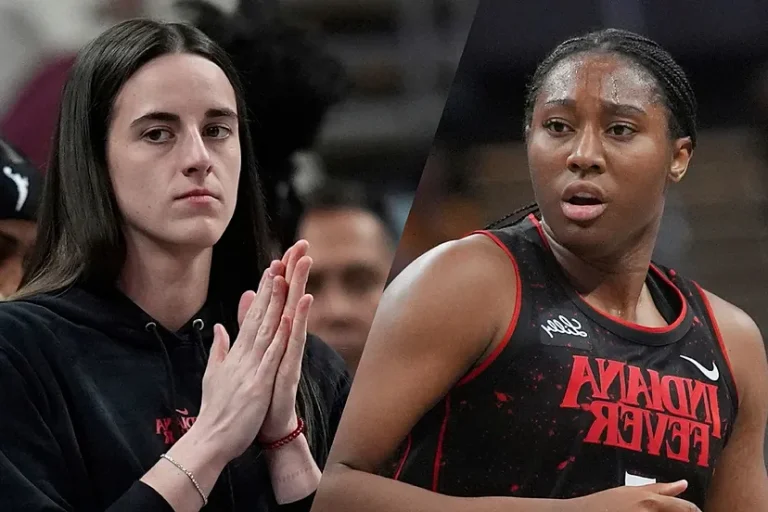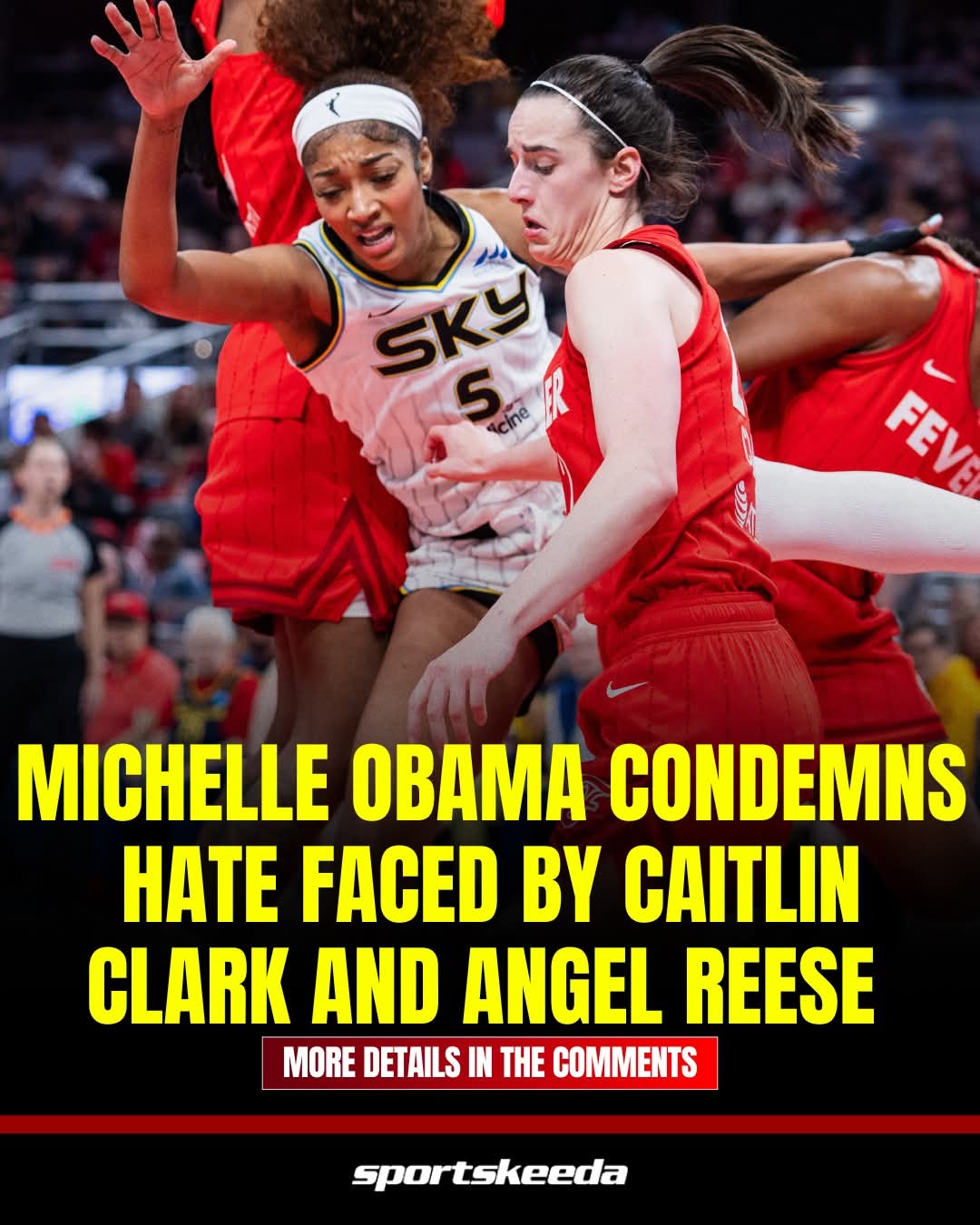
Online hate targeting athletes has reached a critical level, and former First Lady Michelle Obama is speaking out. In a recent appearance on the “All The Smoke” podcast, Obama highlighted the harmful impact of social media harassment on WNBA stars Caitlin Clark and Angel Reese. Her candid discussion sheds light on the urgent need for safer spaces for athletes, especially women of color, navigating the digital world.
The Rise of Online Hate in Sports
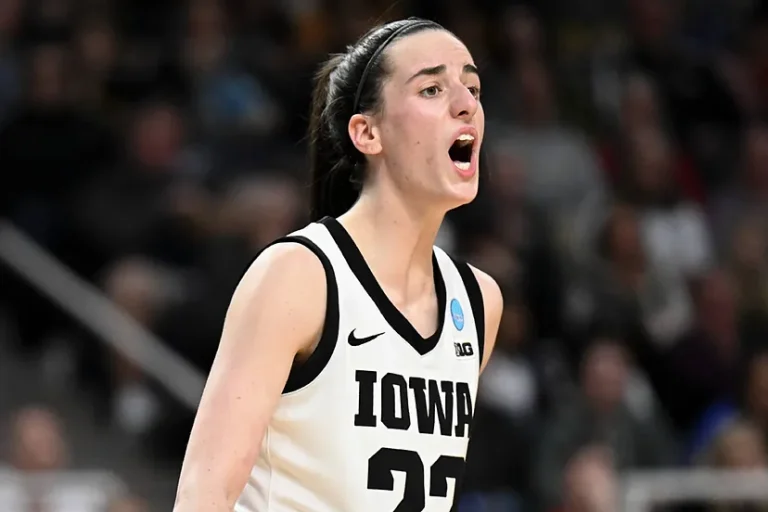
Social media has given athletes a platform to connect with fans, but it also exposes them to constant negativity. Caitlin Clark and Angel Reese, two of the WNBA’s brightest stars, have been the target of relentless online harassment. This scrutiny extends beyond the court, affecting their mental health and personal lives.
Michelle Obama’s Powerful Message
During her podcast appearance, Michelle Obama explained how the digital world can amplify hate: “Social media is such a huge part of their world. There’s the hate, but now the hate is in your room, on your phone, with you all the time.” She emphasized that athletes cannot simply step away, as their careers are intertwined with their online presence.
The rivalry between Clark and Reese has drawn attention, with some observers highlighting racial undertones. While Obama avoided specifics about the rivalry, she stressed the broader problem of online abuse targeting women of color in sports. This harassment is not only damaging but often disproportionate compared to their male counterparts.
How the WNBA Supports Its Players
Both Clark and Reese have experienced cyberbullying and threats. Reese has spoken openly about the harassment and the support she receives from her teammates, whom she calls “sisters.” The league continues to investigate incidents of fan misconduct and is committed to creating an inclusive and safe environment for all players.
Obama’s comments are a reminder that online hate has real-world consequences. Fans, communities, and social media platforms all play a role in fostering respect and accountability. Supporting athletes goes beyond cheering from the stands—it includes creating a safer space for them online.
Comment Section Prompt
What are your thoughts on online hate in sports? How can fans, leagues, and social media platforms better protect athletes? Share your perspective in the comments below!
About the Author